
Washington announced the withdrawal of the two countries from the trade preferences regime granted to African States as of 1 January 2027. The measure includes South African exports of automotive parts, agricultural products and wine, as well as Rwandan sales of coffee and minerals to the US market.
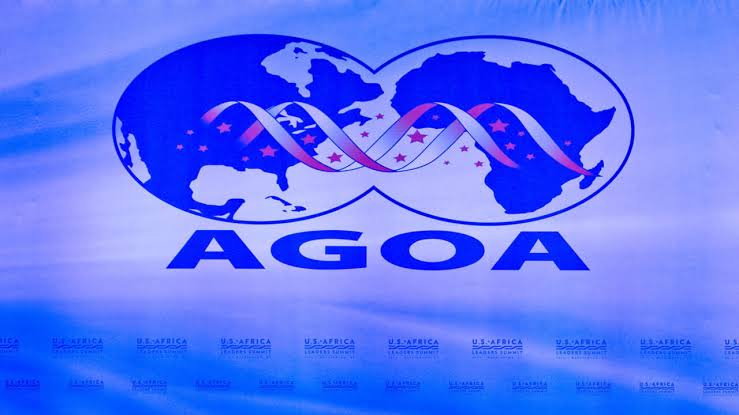
On November 2, 2026, the United States announced its decision to suspend South Africa and Rwanda from the African Growth and Opportunity Act (AGOA) trade preferences regime. The measure will take effect on 1 January 2027.
The US Trade Representative, Jamieson Greer, indicated that both countries no longer met the eligibility criteria of the program, which granted duty-free access to the US market for several thousand products originating in sub-Saharan Africa.
Washington includes trade and investment barriers, human rights concerns and practices that are considered to be contrary to its security and foreign policy interests.
South Africa, the main beneficiary of the scheme, is particularly affected by this decision. In 2025, the country exported approximately $1.7 billion in goods to the United States under AGOA. The products concerned include car parts, citrus fruits and wine.
The automotive and agricultural sectors could thus lose some of their tariff advantages in the US market.
The South African Ministry of Trade, Industry and Competition, however, recalled that exports under AGOA account for about 10 per cent of the country's total sales to the United States and 1 per cent of its world exports. Pretoria announced that it would accompany the affected sectors and continue trade discussions with Washington.
For Rwanda, the exports concerned relate mainly to coffee and minerals. In particular, the US authorities raised concerns about the rule of law and human rights.
This decision comes at a time when Washington recently imposed sanctions on several Rwandan officials and institutions, including the Ministry of Defence, in the context of the conflict in the eastern part of the Democratic Republic of the Congo.
Rwanda had already been subject to a partial suspension of AGOA since 2018, which prevented it from exporting clothing to the United States under the programme.
Established in 2000, AGOA has been a central instrument of US trade policy in sub-Saharan Africa for more than two decades. Its mechanism is based on access criteria linked, inter alia, to market opening, governance and the rule of law.
In response to the US decision, South Africa indicated that it wanted to continue to diversify its markets, particularly to partners such as China. Cyril Ramaphosa's government had already mentioned this possibility before the Washington announcement.