
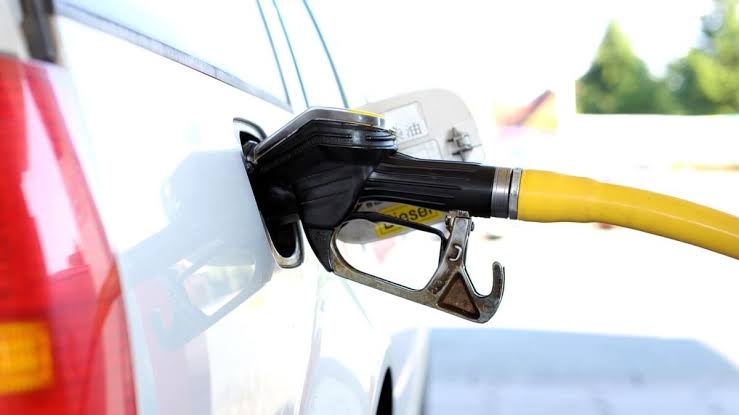
In the face of disruptions in the supply of fuel, the Niger Government prohibits the export of super gasoline and diesel fuel, unless special authorization is granted in case of surplus. The measure comes at a time when domestic production is struggling to cover demand and the decline in informal fuel inputs increases pressure on official circuits.
Signed on 12 October 2026 by the Minister of Trade and Industry, Abdoulaye Seydou, the decree prohibits the export of super gasoline and diesel in order to reserve national production as a priority for the domestic market. The decision was made public on 17 October, in a context of disruptions affecting, inter alia, Niamey service stations.
However, the text provides for a derogation in case of surplus: the Niger Petroleum Products Corporation (SONIDEP) and the Zinder Refinery Corporation (SORAZ) will be able to export excess volumes after obtaining special authorization from the Minister responsible for Trade.
This decision takes place while local supply remains below national needs. According to figures provided by the former Director General of SONIDEP, Ali Saibou Hassane, the Zinder refinery delivers about 1.6 million litres of fuel per day, compared with an estimated national consumption of 3 million litres.
Other data published by the Niger press show an even higher demand, with differences between products and periods. The market was also supplied by informal inputs from Nigeria, which reportedly accounted for up to half of domestic consumption, according to the former official.
The reduction of these flows, in the context of the elimination of Nigerian fuel subsidies, defers part of the demand to official service stations. In operation since 2011, the Zinder refinery processes crude oil from the Agadem deposit in the Diffa region.
Its nominal capacity is around 20,000 barrels per day. In order to enforce the prohibition, the decree empowers officials of the Ministry of Trade and Industry, customs and the Defence and Security Forces to determine the offences and to take the measures provided for in the legislation in force.
Several administrations, including Oil, Finance, Interior and Defence, are also involved in its implementation.
The suspension of exports also concerns regional trade in petroleum products. In February 2024, Niger had concluded a cooperation protocol with Burkina Faso, Mali and Chad on the supply of diesel fuel.
Shipments to neighbouring countries have since been reported, but the volumes currently concerned are not specified in the available information. The measure does not set an end date and makes any resumption of exports conditional on the existence of a surplus and ministerial authorization.
In the longer term, Niger is planning a second refinery in Dosso, with an announced capacity of 100,000 barrels per day. A $1.9 billion agreement with the Canadian company Zimar Inc. was announced in August 2026 for this project, which could help increase domestic refining capacity if it is completed.