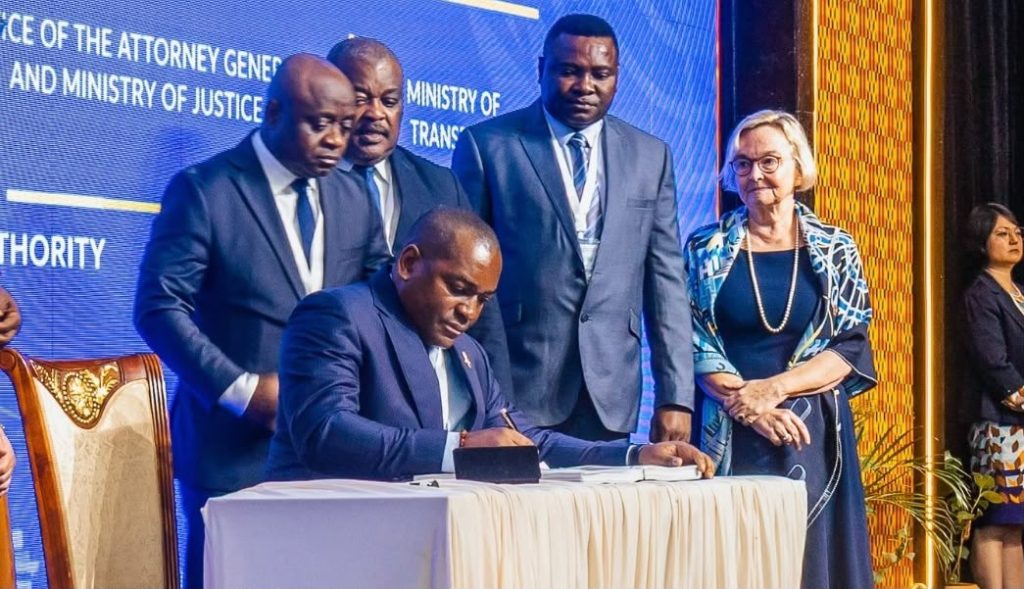

Meeting in Lomé on 30 October 2026, the Ministers of Transport of the five countries concerned validated the implementation of the Abidjan-Lagos Corridor Management Authority (ALCoMA). The African Development Bank (ADB) is planning to mobilize approximately $500 million to start work on this 1,028 km highway.
The motorway project between Abidjan and Lagos has entered a new phase of preparation following the statutory meeting of the Ministerial Steering Committee in Lomé, Togo.
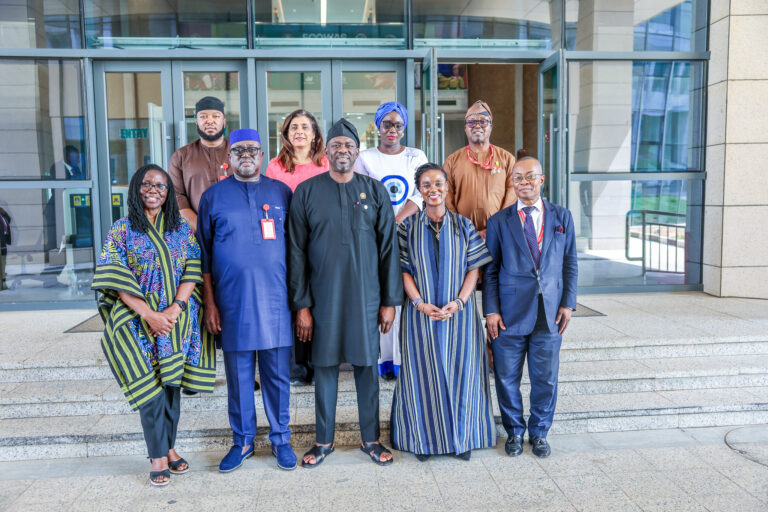
The representatives of Côte d'Ivoire, Ghana, Togo, Benin and Nigeria approved the implementation of ALCoMA, the supranational body responsible for coordinating the design, construction and operation of infrastructure. They also stressed the need to ensure continuity of the various sections in the construction schedule, in order to avoid a fragmented construction of this transnational road axis.
The meeting focused on the conditions for the transition to the construction phase, including the mobilization of funding and the acquisition of land rights of way. The AfDB, designated as the principal arranger for the investment phase, seeks to raise approximately $500 million in catalytic capital, including from the African Development Fund (ADF-17) and climate and environmental mechanisms.
The Bank has already spent more than $25 million on feasibility studies, design and technical assistance. Financial partners also expressed interest at a mobilisation meeting on 28 October 2026.
At the institutional level, ALCoMA is chaired by the Beninese Wilfried Laureano do Rego, appointed at the beginning of the year in accordance with the rotation mechanism provided for in the Intergovernmental Agreement. The Ministers approved the further operationalization, with the recruitment of the Director General, the Legal and General Secretary and the principal directors.
The African Development Bank has already provided funds to cover the Authority's start-up costs. The Commission of the Economic Community of West African States (ECOWAS) and its partners, including the AfDB and the European Investment and Development Bank (EBID), are also continuing to examine financing mechanisms to support the development of the corridor.
The motorway is 1028 km long and is designed with six lanes and must link Abidjan to Lagos via Accra, Lomé and Cotonou. Ministers called on ALCoMA and ECOWAS to ensure the connection of seaports and capitals near the route, in order to facilitate trade between the main economic hubs of the region.
The project aims to reduce transport costs, improve freight mobility and strengthen West African commercial integration. After several years of feasibility and design studies, the timing of initial work now depends on the implementation of funding and coordination of the five States.