
The Alliance for the Promotion of the Port of Lomé (A2PL) is conducting a tour of economic operators from the three countries of the Alliance of Sahel States (AES) from October to November. In particular, the mission should identify the difficulties affecting the movement of goods along the corridors between the port of Togo and the Sahelian hinterland.
The delegation of the Togolese port community began its tour by Niamey, where it stayed from 4 to 9 October 2026. She will then visit Ouagadougou from 18 to 24 October, then Bamako from 2 to 8 November.
According to A2PL, the aim is to strengthen relations with economic operators and partners in the three countries, but also to discuss the conditions for the transport of goods.
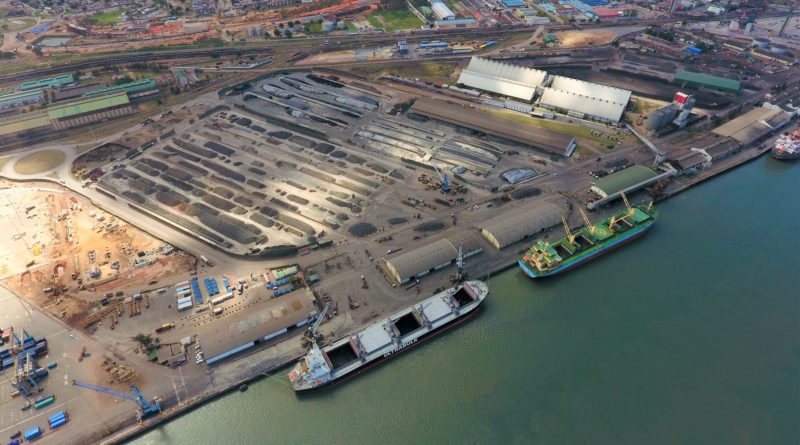
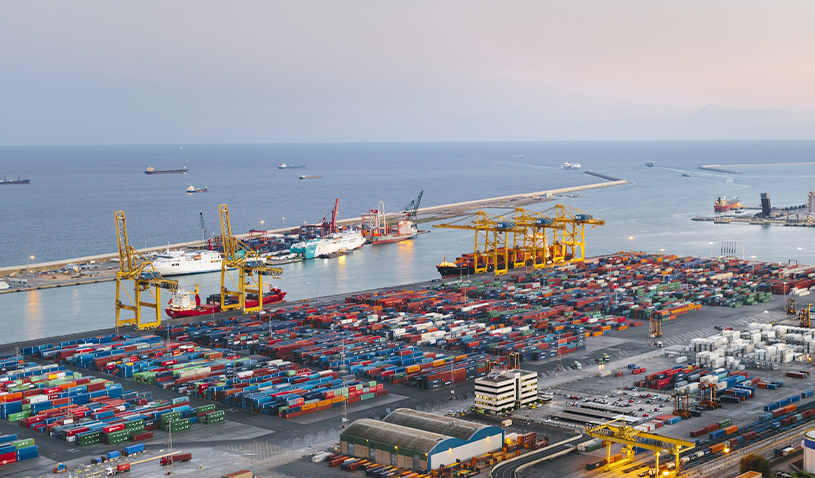
For these landlocked States, the ports of the Gulf of Guinea are essential entry points for international trade. The autonomous port of Lomé serves in particular their hinterland through road corridors.
In Niamey, the mission held an information and exchange session on 7 October with Niger's economic operators and actors in the transport and international trade chain.
The Secretary-General of the Niger Ministry of Transport and Civil Aviation, Moussa Chefou, stressed the importance of this cooperation in facilitating the country's supply.
He also called on participants to consider obstacles that could disrupt the movement of goods. For his part, the President of the Niger Chamber of Commerce and Industry, Moussa Sidi Mohamed, referred to difficulties relating in particular to delays and procedures, port and transport costs, transit flow and coordination between the various speakers, particularly on the Lomé-Ouagadougou-Niamay axis.
Established in 1994, the A2PL brings together the main public and private actors in the port community of Lomé, including port authorities, administrations, freight forwarders, handlers and carriers. The organisation states that its mission is, inter alia, to promote the port to operators in the hinterland, to increase traffic and to improve the competitiveness of the corridors.
According to data, the transit to Burkina Faso, Niger and Mali accounted for more than 90 per cent of the transit recorded by the port in 2024, with Burkina Faso predominant.
In 2025, the Port of Lomé handled 2.4 million 20-foot equivalents (TEUs), up from 2.06 million in 2024, an increase of 16%. The tour must thus enable Togolese actors to maintain dialogue with Sahelian markets while identifying the constraints that still affect flows on these corridors.