
After an inaugural trip by President Mamadi Doumbouya on 12 October 2026, the TransGuinean railway line must gradually accommodate passengers and commercial freight beyond the iron ore of Simandou. However, commissioning remains conditional on the completion of the stations and the preparation of the operating teams.
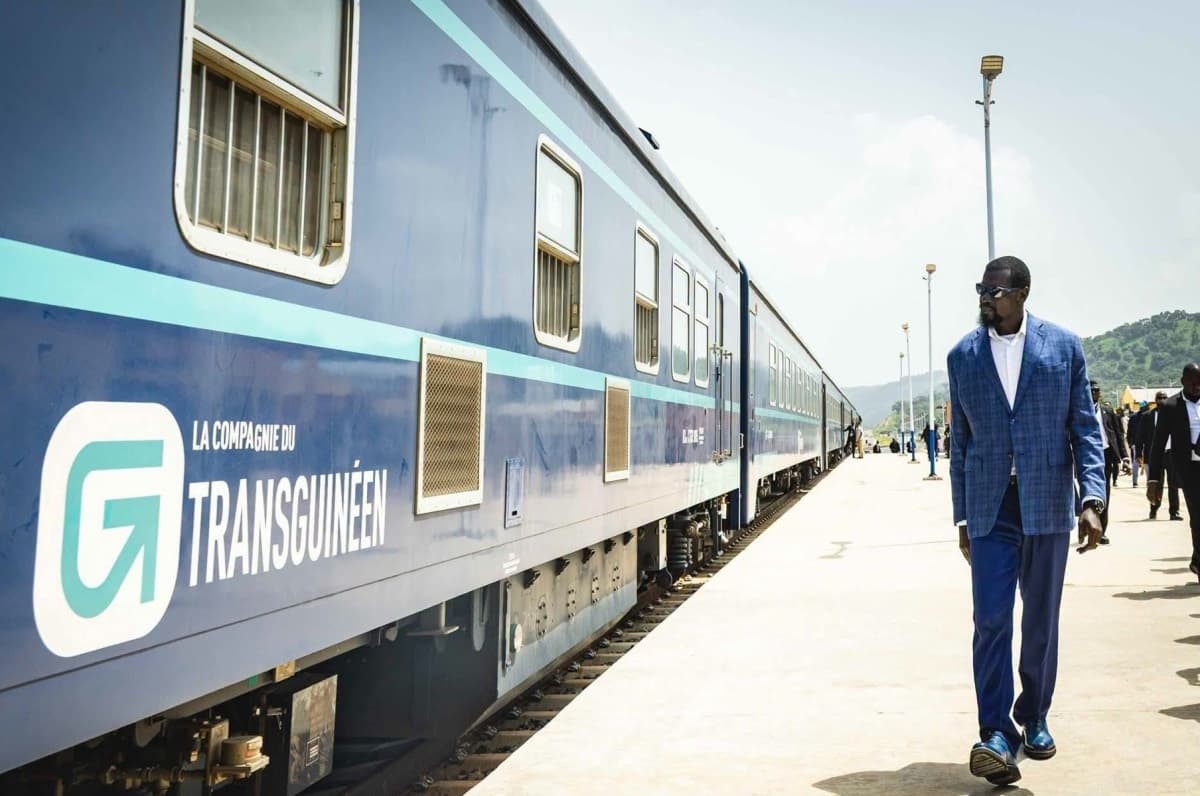
On 12 October Guinean President Mamadi Doumbouya made an inaugural journey aboard a passenger train from the Compagnie du TransGuinean (CTG).
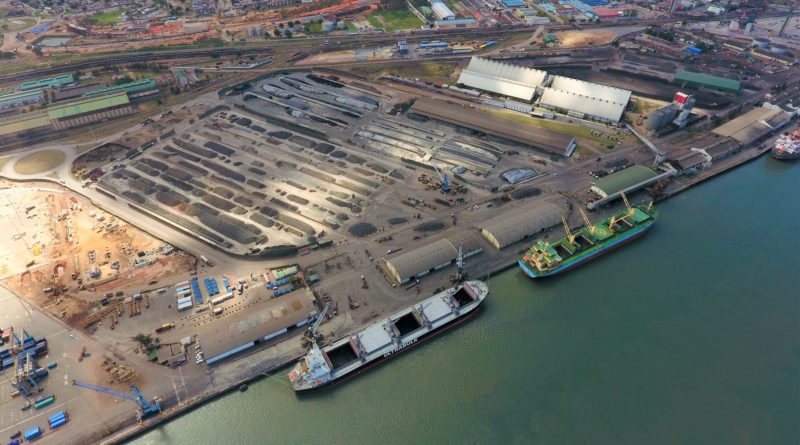
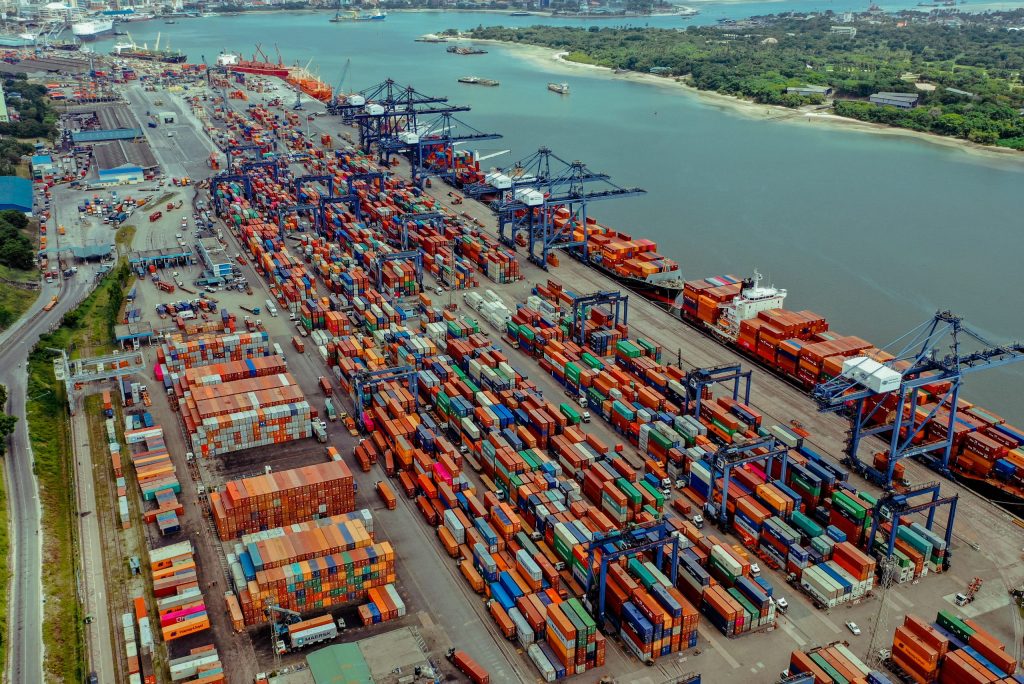
The course connected the Port of Morebaya in Kassa, in Mamou Prefecture, for a distance of 148 kilometers. This traffic constitutes a step in the preparation of a rail service for passengers and freight.
The network, about 650 kilometres long, was initially designed to transport the iron ore from the four blocks of Simandou to the Guinean coast. However, its use for commercial purposes and for population mobility is included in the objectives associated with the project.
Public opening must be made gradually, but no final commercial release date has been announced. According to information provided by the CTG, 10 stations are planned on the route.
Their development, the completion of the railway sections still under construction and the preparation of staff are among the conditions necessary for the start of operations.
The training of drivers is also part of the preparations: On 6 October, 60 young Guineans left for China for specialized training in locomotive driving.
By April 2026, the company had mentioned a possible start of commercial transport before the end of the year, with a possible start-up until 2027.
Beyond the disposal of the ore, the TransGuinean could facilitate trade between agricultural production areas, cities and consumer markets.
In Guinea, year-round road access is limited in many rural areas. According to the World Bank, only 14 per cent of the rural population lives within two kilometres of a road that can be used in any season.
Disadvantages include the movement of perishable products such as fish, chilli and eggplant.
In the course of its work on the development of commercial agriculture, the institution considered, inter alia, better connecting certain agricultural sectors, including the Fonio in Mamou and the Mango in Kindia, to the Simandou corridor.