



Kenya Airways recorded a net loss of 16.1 billion Kenyan shillings (approximately $125 million) in the first half of 2026, compared to 12.2 billion shillings (approximately $95 million) in the same period in 2025. The increase in revenues and freight activity did not offset the increase in fuel costs and the constraints of aircraft availability.
Over the first six months of the year, the company's turnover increased by 9% to KS81.25 billion (approximately US$630 million).
At the same time, operating costs increased by 14% to 91.9 billion shillings (approximately $712 million), bringing the operating loss to 10.64 billion shillings (approximately $82 million).
In particular, the fuel bill increased by 32 per cent to nearly S$29 billion (approximately $225 million).
Cargo activity increased by 18 per cent to Kenyan shillings.
Kenya Airways plans to strengthen this activity and aims to increase its share of the freight market, currently estimated at 11%, with a target of 40%, notably through the addition of dedicated capacity.
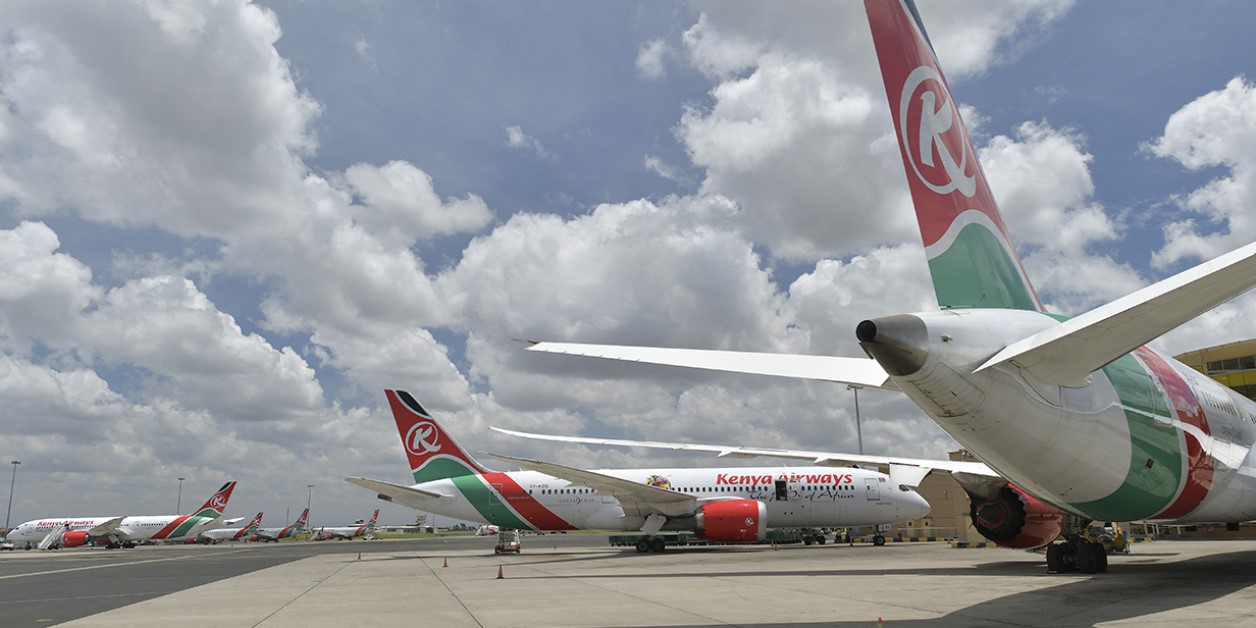
The company was also faced with reduced fleet availability, in a context of global engine and spare parts shortages that extended maintenance operations.
This contributed to a 9% decrease in capacity and 8% in flying hours. Kenya Airways now relies on the gradual return of several aircraft in service, cost control and a recapitalization operation to improve its financial situation.




