
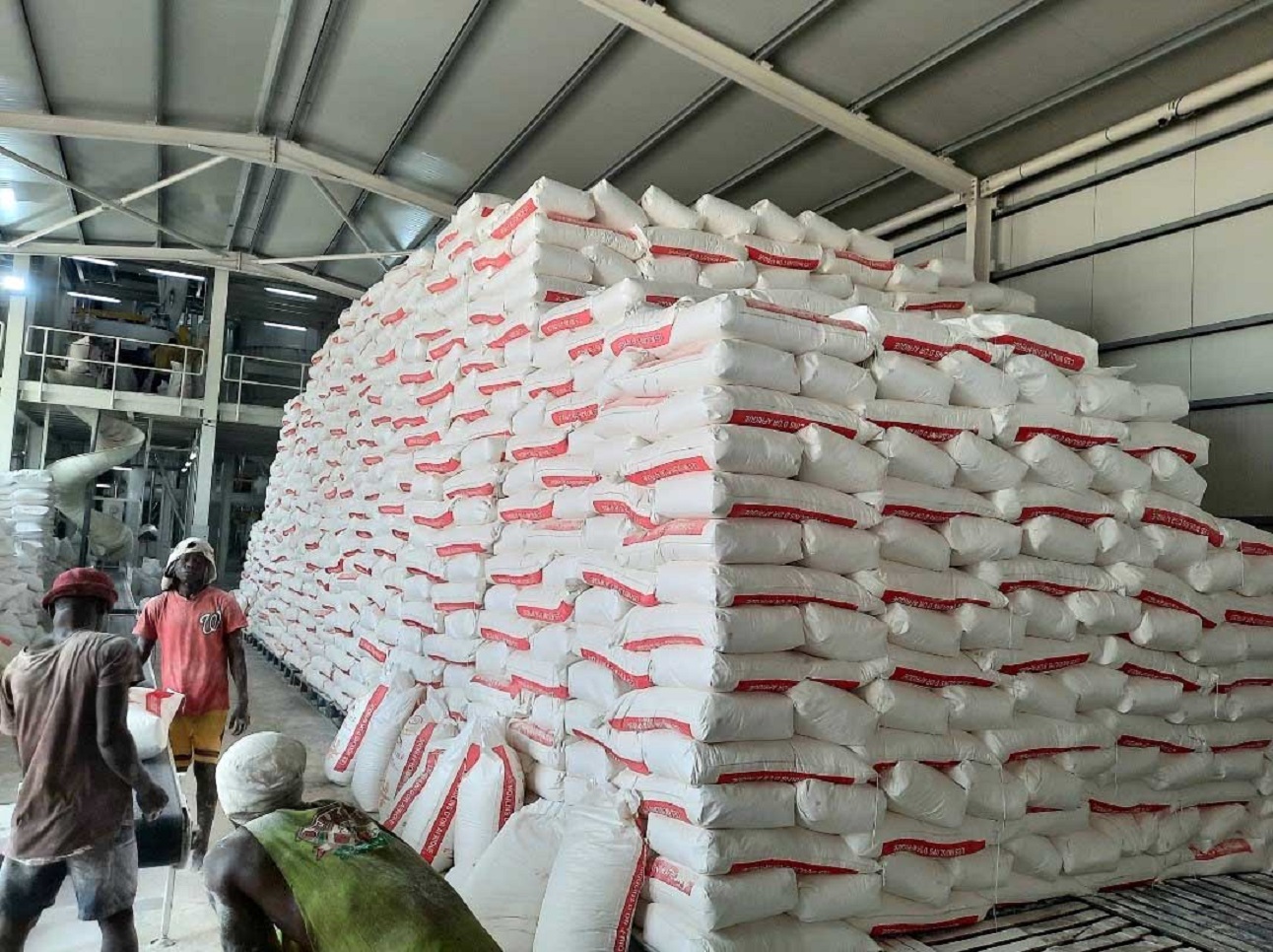
The Burkina Faso authorities have suspended exports of millet flour, maize and sorghum and their derivatives since 9 October 2026 until further notice. The measure aims to safeguard the supply of the internal market, following reports of shortages and price increases following the recovery of exports.
The Government of Burkina Faso announced the suspension of exports of millet flour, maize, sorghum and their derivatives throughout the country. The decision is contained in a communiqué dated 9 October and signed by the Minister of Industry, Trade and Crafts, Serge Gnaniodem Poda.
It also provides for the cessation of the issue of special export authorisations (ESAs) for the products concerned. The authorities ask economic operators, border control services and security forces to ensure its implementation. Violators are subject to penalties provided for in the regulations in force.
This decision comes after the lifting in July 2026 of a previous ban introduced in 2022. According to information reported by Agence France-Presse (AFP), economic operators have since reported significant outflows of flour to neighbouring countries, where prices are higher.
These flows would have helped to reduce the availability in the Burkina Faso market and increase the price increase. The government thus justifies this new suspension by the need to ensure a regular supply and facilitate consumer access to these commodities.
The suspension of flour exports adds to other trade restrictions adopted in recent years. Since November 2023, Burkina Faso has banned the export of several agricultural products, including baby, rice, maize, sorghum and fresh tomato.
In May 2026, the authorities also suspended livestock exports in order to maintain the domestic market. Since 2024, shea kernel exports have been banned in order to encourage local processing. The duration of the new measure on flour has not been specified: it will remain in force until further order according to the note.