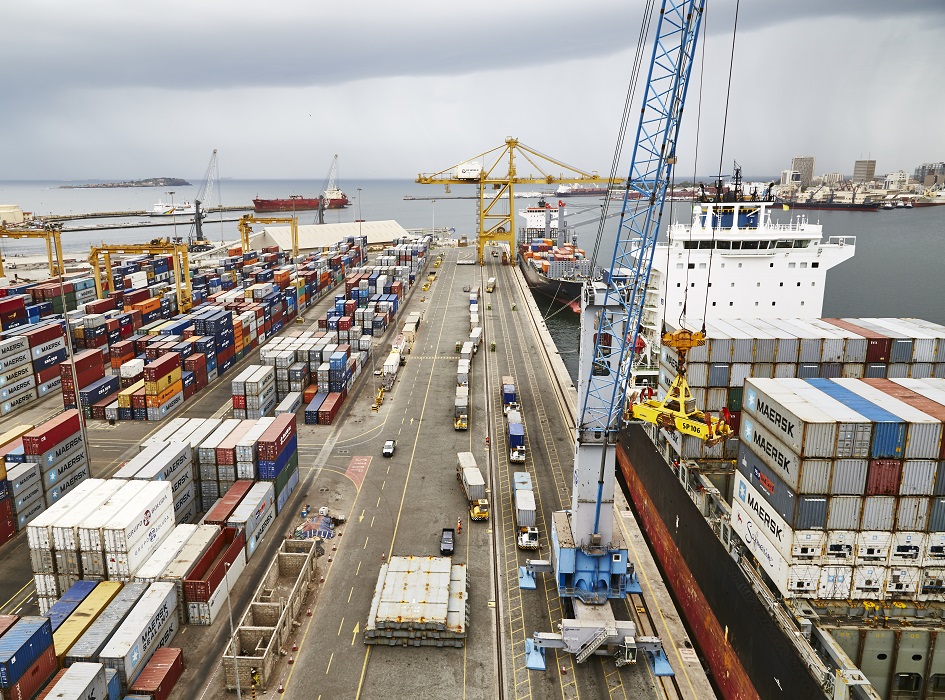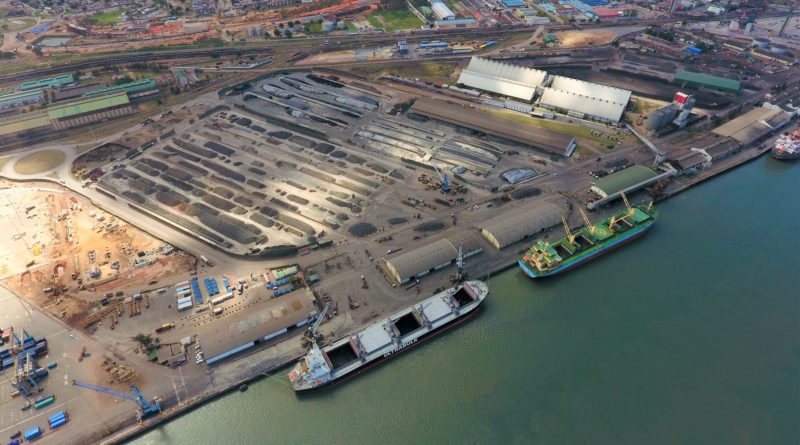

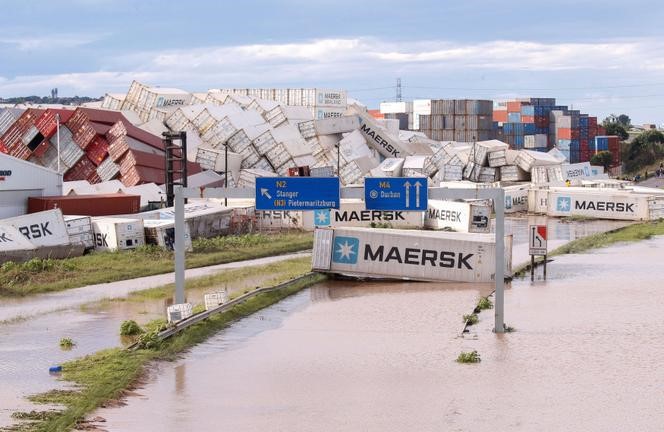
Over-season precipitation and localized flooding could disrupt road transport, port access and handling operations between October and December 2026. Maersk recommends that shippers anticipate delays and secure their import and export operations.
In a notice sent to its customers on 6 October 2026, the maritime carrier Maersk reported the operational risks associated with the forecast of heavy rains in East Africa.
The expected weather conditions could affect roads serving ports, terminals, depots and inland delivery sites.
Cargoes in transit to neighbouring countries could also be delayed. However, the extent of disturbance will depend on the intensity of precipitation and local conditions depending on the company.
The IGAD Climate Prediction and Applications Centre (ICPAC) seasonal forecasts, published on 18 August, include an increased risk of precipitation in several areas of the Horn of Africa, including southern Ethiopia, central and southern Somalia and northeastern Kenya.
The consequences could affect the entire supply chain. Flooding and road degradation may increase transit times, limit truck traffic and reduce the availability of transportation.
In the vicinity of terminals, these difficulties could lead to queues and delay the delivery of containers for export.
Some shippers may thus miss the time limit for receipt of the goods prior to the departure of the ships, leading to the postponement of their cargoes to a later crossing.
In ports, hazardous weather conditions could also slow down or even temporarily suspend handling operations.
Delays in the removal of imported goods could, in parallel, increase the occupancy of container fleets and storage times.
In order to limit these risks, Maersk advises shippers to provide additional margins in their transport times, especially for delayed cargo and cargo carried in flood-prone areas.
The carrier also recommends prior confirmation of truck availability, road condition and recipient capacity to receive goods.
Export containers should be delivered to terminals early enough, while shipping instructions and customs documents should be provided correctly and on time.
For temperature controlled or particularly urgent goods, customers are invited to contact their Maersk interlocutors to examine the constraints of each shipment.
The company reports on developments and plans to provide new information in the event of a significant change in its operations.