
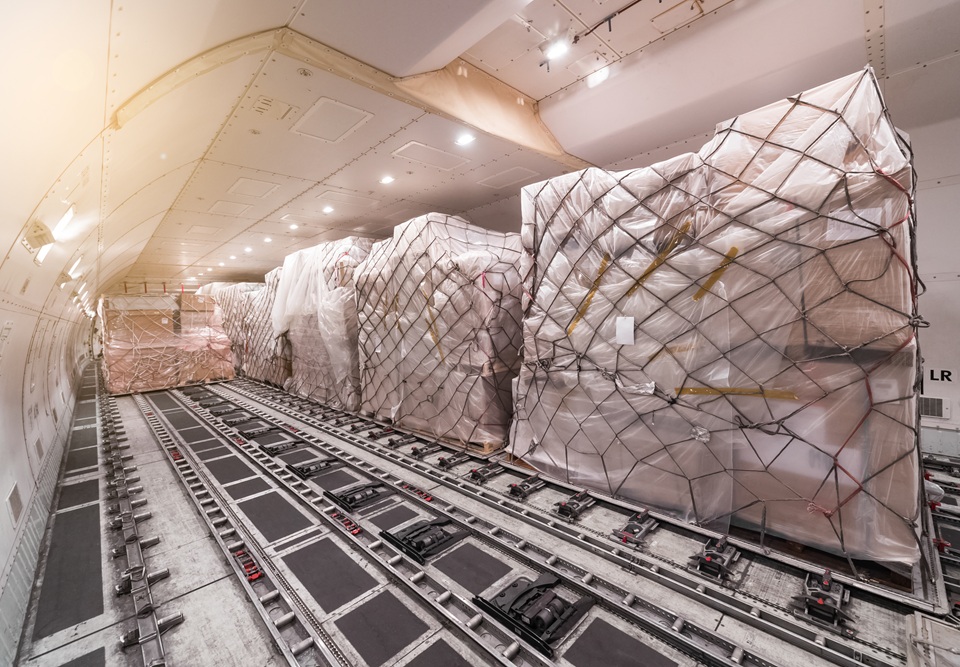
Air cargo shipments from Africa increased by 10 per cent in October 2026 over a year, while spot rates jumped by 60 per cent to $3.11 per kilogram. According to WorldACD data, this increase in prices is due in part to limited capacity, high fuel costs and demand related to the start of the export season for perishable products.
Africa recorded the largest increase in tonnages among the main regions of origin of air cargo in October, on a par with the Middle East and South Asia. Volumes also increased by 9% compared to September.
Globally, air cargo increased by 6% year-on-year and by 5% month-on-month, driven by increased shipments from most major regions.
This growth is accompanied by a marked increase in transport costs. The spot rates from the mainland reached $3.11 per kilogram in October, an increase of 60% over one year and 15% over the previous month.
Average prices, including contracts and spot prices, rose by 29% over one year. WorldACD attributes this evolution to the combination of limited available capacity, high fuel overload and relatively high demand for perishable exports, particularly at the beginning of their shipping season.
Air pressure is another pressure factor. During the week of 26 October to 1 November, global cargo capacity remained broadly stable, but the 3% decrease in passenger aircraft hold capacity was offset by a 3% increase in all-cargo aircraft capacity.
However, on routes from Africa, capacity increased by 4 per cent over the week. Despite this one-off trend, it remained 3 per cent below its level at the end of February before the start of the conflict between the United States and Iran.
Africa's rise is part of a global market marked by contrasting developments across corridors. Volumes between China and Hong Kong, on the one hand, and Europe, on the other, declined by 17% in October over a year, particularly as a result of lower shipments from Hong Kong.
Conversely, flows between China and the United States increased by 8%. For the fourth quarter, WorldACD forecasts global tonnage growth of 6% over a year, in a context where seasonal demand, fuel costs and geopolitical tensions could continue to affect capacity and tariffs.