
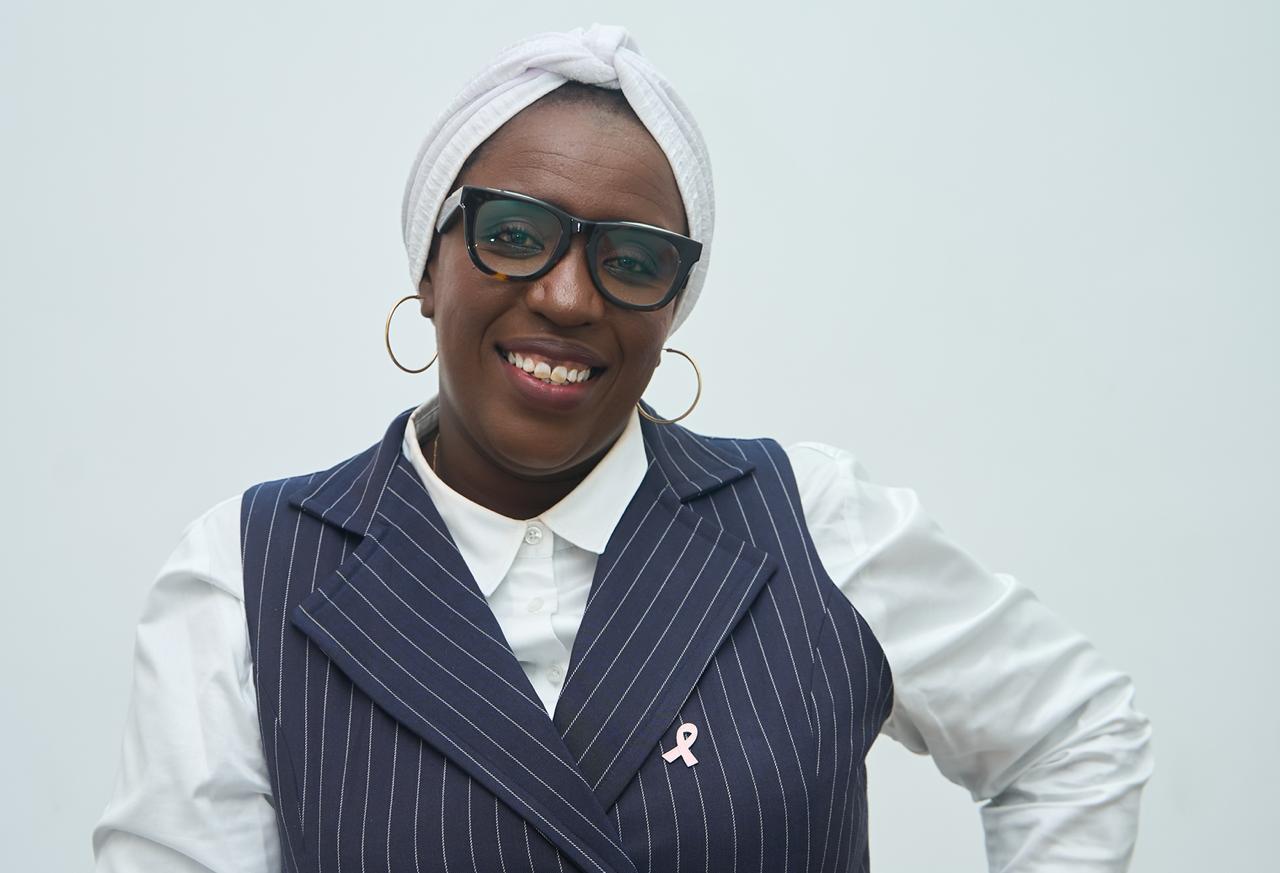
Interview with Ndeye Seynabou Ndiaye, Director General of SOCATRAL
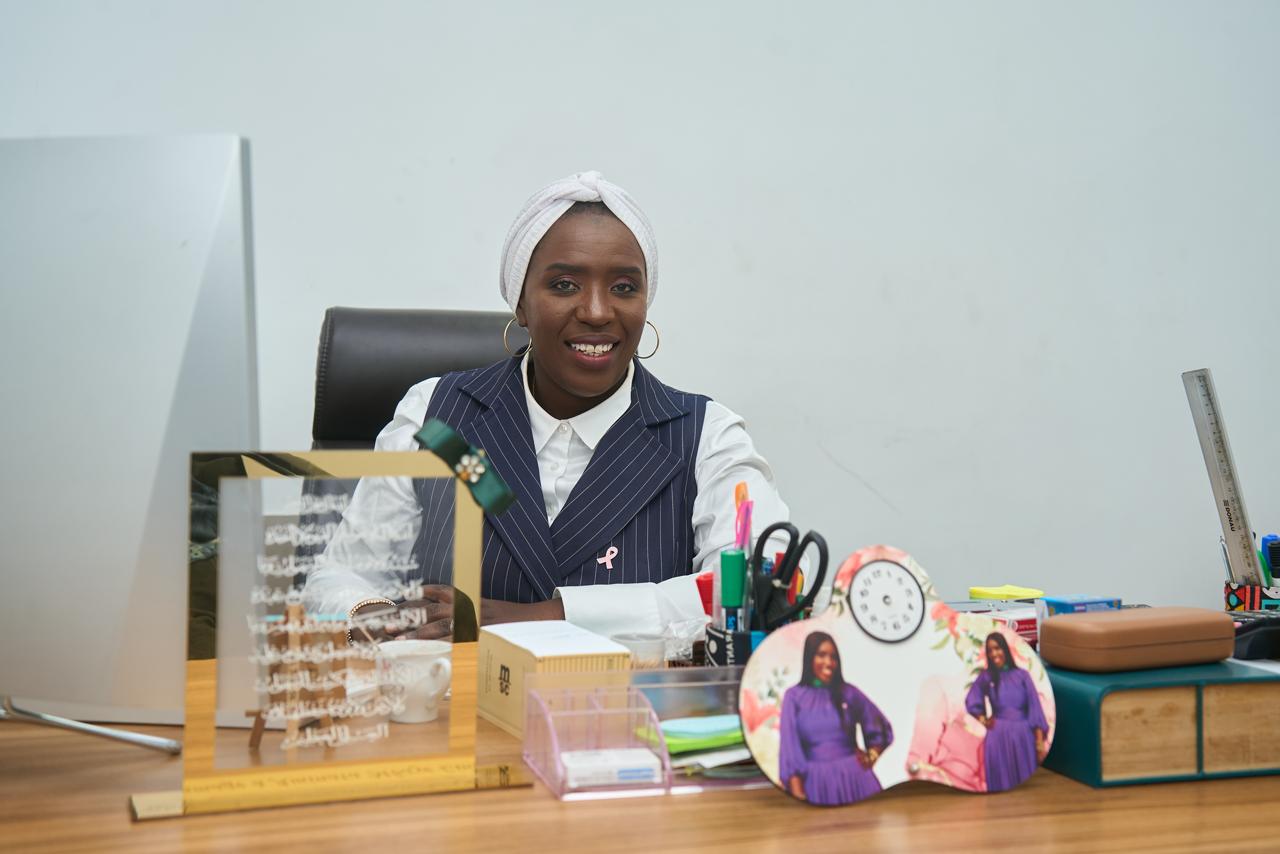
At the head of the African Transit and Logistics Society (SOCATRAL), Ndeye Seynabou Ndiaye returns in this interview on her career in logistics, the challenges of the company and her development ambitions in West Africa. She also shares her vision of leadership, logistical performance and the position of women in a still largely male sector.
Can you go back to your career and explain the main steps that led you to the management of SOCATRAL?
My journey was built around the logistics trades, both in Senegal and France, especially in port and maritime activities in Le Havre. This experience allowed us to develop an openness to professional practices and a great rigor in the work.
Before joining SOCATRAL, I have taught for seven years packaging and automated identification tools, two important components of the supply chain. Then, for a little over four years, I headed a freight road transport company, before joining the African Transit and Logistics Society. (SOCATRAL).
These different experiences have enabled logistics to be approached in a number of ways: knowledge transfer, operational management and company management. It should be noted that it is necessary first to understand a profession in order to transmit it, but also to know how to organise its activities and mobilize the teams in order to make it a real lever of performance.
The logistics sector is often perceived as a male universe. As a woman leader, have you encountered any particular obstacles, and how have you managed to overcome them?
Obstacles are part of my daily life. In a sector still widely perceived as male, it is sometimes necessary to overcome prejudice and demonstrate, through its work and results, that competence does not depend on gender.
I chose not to let these difficulties determine my path. I prefer to face them, learn from each situation and keep moving. It requires perseverance, confidence and a good knowledge of his profession.
I see every challenge as an opportunity to progress and assert. For me, the main thing is to stay focused on its objectives, to be professional and to let the quality of the work speak for itself.
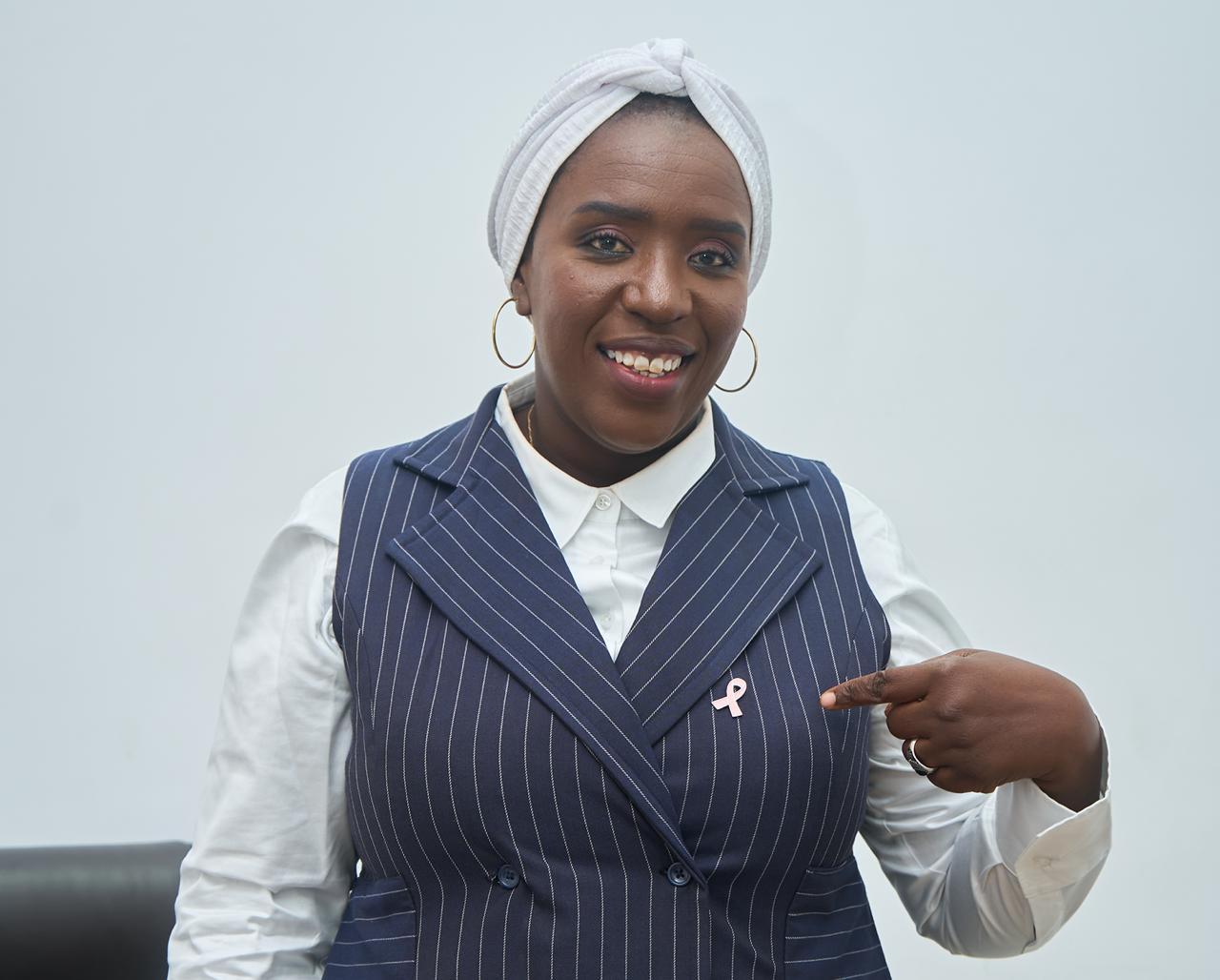
What is your vision of leadership and what managerial practices do you prefer to mobilize your teams, develop skills and achieve performance objectives?
For me, leadership is not decreed: it is demonstrated. It is based on the ability to make decisions, take decisions, give direction and train others. Being Executive Director is not simply a hierarchical position. It is to take a vision, set a course and take responsibility for the decisions taken, including in difficult times.
I share the idea that leadership is revealed in action and in how to deal with responsibilities. A manager must be able to give meaning to the company's objectives and create the conditions for the teams to achieve them.
In my practice, I prefer management based on requirement, accountability, listening and exemplaryness. It is important to set clear goals, trust employees and allow everyone to contribute to collective performance. A company's success also depends on its ability to advance the skills of its teams.
Could you introduce SOCATRAL, its main professions, its areas of intervention and the added value it brings to its customers?
SOCATRAL, the African Transit and Logistics Society, is involved in three complementary areas: transit, transport and logistics. Our transit activity is carried out as a customs authorised agent. I would like to make that clear because we have a licence issued by the Minister responsible for Finance and a collection credit for customs duties. We therefore operate within a specific regulatory framework.
These three professions occupy an important place in the movement of goods and the functioning of supply chains. They allow us to accompany clients in different stages of their operations, taking into account their needs and constraints.
Our added value is not limited to the performance of a service. It also resides in our ability to understand the client's expectations, anticipate difficulties, coordinate the various stakeholders and meet our commitments. In our businesses, the reliability of the service and the quality of the customer relationship are essential.
In an economic environment marked by increasing requirements for performance and competitiveness, what are the main strengths of SOCATRAL in its market?
Our main asset is our ability to adapt to the needs of the market and the expectations of our customers. Not all logistics operations have the same requirements. It is therefore necessary to mobilize the appropriate means and adjust the proposed solutions to the constraints encountered.
This adaptability must go hand in hand with good coordination of activities. The interconnection between transit, transport and logistics allows us to approach operations in a complementary way and to seek responses tailored to the needs of each customer.
Beyond this flexibility, competitiveness is based on fundamental requirements: service reliability, cost control, compliance with commitments and the quality of the business relationship. It is on these elements that we must rely on to retain our customers and strengthen our presence in the market.
What are the main challenges facing your company today, and what solutions are you implementing to address them?
In a competitive environment, SOCATRAL must continue to develop its operational capabilities to meet a wider demand and strengthen its presence in the subregional market.
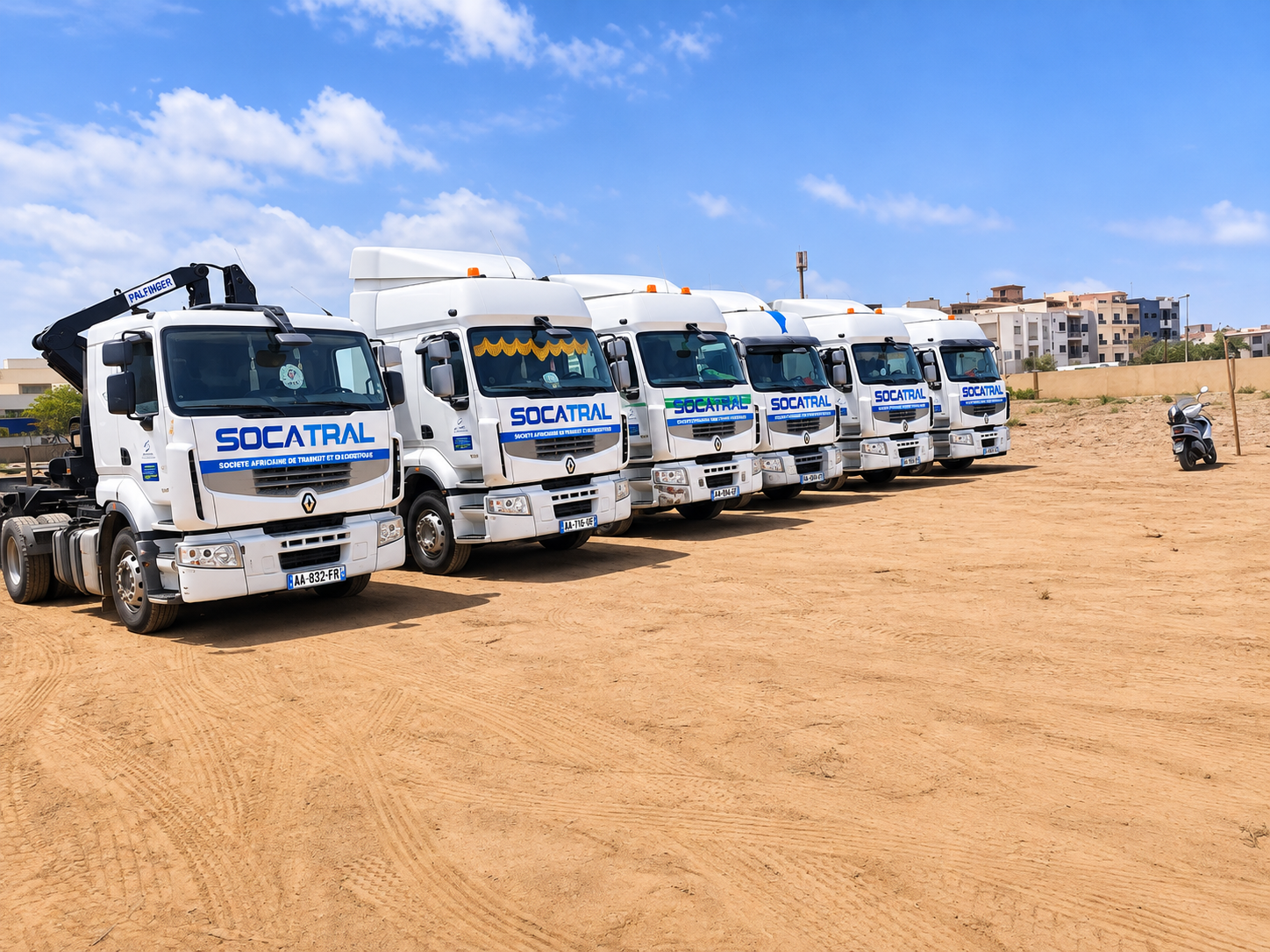
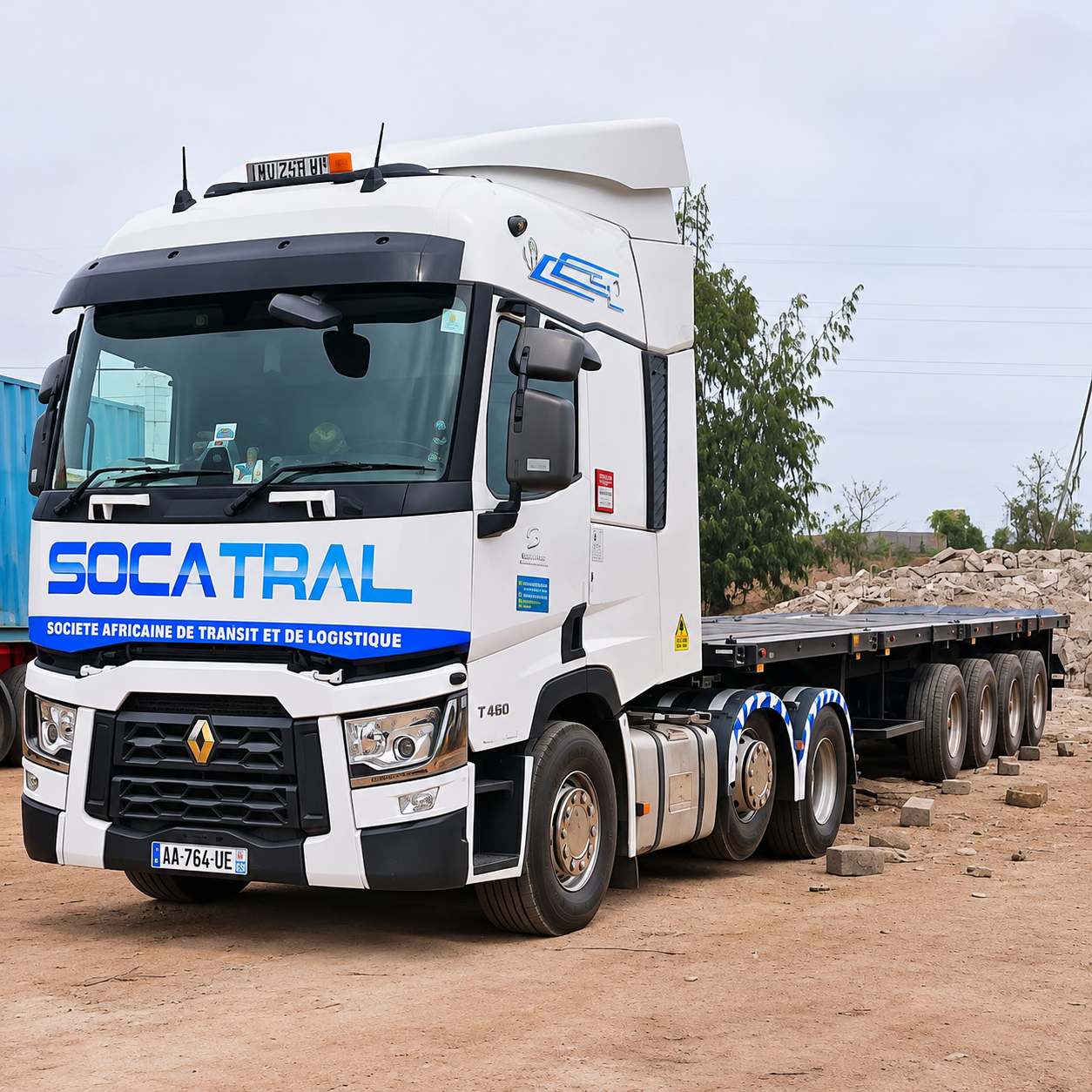
In particular, we must continue to develop our fleet of vehicles, despite the means already available, and acquire new storage spaces for containers and various goods. These capabilities are important to support the evolution of our activities and meet the needs of our partners.
We are also interested in the use of other modes of transport, particularly rail. The diversification of transport solutions is a path to be explored in order to improve the organization of flows and expand the possibilities offered to customers. The challenge is to continue our development while adapting our resources to market realities.
Digitalisation, cost optimization and quality of service are transforming the logistics sector. How does SOCATRAL integrate these developments into its development strategy?
Digitalization is profoundly transforming our jobs. This includes improving the monitoring of operations, facilitating the flow of information and enhancing the quality of service to customers. In logistics, reliable and up-to-date information is essential to better track operations and control delays and costs.
SOCATRAL has thus put in place digital tools to link the different elements of its ecosystem and to enable the monitoring of its activities in real time. The aim is to have better visibility on operations and to facilitate their coordination.
This evolution must contribute to improving our organization and responsiveness. Digitalisation is not an end in itself: it must first and foremost meet concrete operational needs and help us deliver a more effective service to our customers.
What are your ambitions for SOCATRAL in the coming years, particularly in terms of growth, development of new services and positioning on the market?
Our ambition is to make SOCATRAL a more active player in the subregional market, with a capacity to compete with the major operators in the sector. We are already working in Senegal, Gambia, Guinea-Bissau, Mali, Guinea and Mauritania. This presence is a basis on which we wish to build for further development.
The prospects envisaged include the establishment of a container fleet. Such an infrastructure would strengthen our operational capabilities and build the confidence of our partners.
For my part, I do not want to grow SOCATRAL at all costs. I favour controlled, profitable and sustainable growth. Each development must be based on a clear strategy, meet a real market need and help to strengthen the company on a sustainable basis. The aim is to develop our activities without losing sight of the quality and performance requirements that underpin our profession.
What do you think are the main opportunities for logistics development in Senegal and Africa, and what contribution can companies like SOCATRAL make to this dynamic?
Senegal and Africa have significant logistical potential. Increased trade, the growing supply and distribution needs of enterprises and the prospects for regional economic integration offer new opportunities for professionals in the sector.
However, in order to turn this potential into concrete results, it is necessary to improve the fluidity of operations, strengthen coordination between actors and better control costs. The development of transport and logistics solutions adapted to the realities of African markets is also essential. As such, door-to-door (door-to-door) services, when cost-effective and time-saving, are an important asset for businesses.
Companies such as SOCATRAL can contribute to this dynamic by facilitating trade, supporting businesses in their operations and providing services tailored to their needs. Business development, professionalisation of trades and continuous improvement of practices will also be key to enhancing the competitiveness of African operators.
Africa must not only be a market served by major international actors. It must also be able to count on strong, competent and ambitious local enterprises capable of fully participating in its economic development. It is from this perspective that I wish to put the contribution of SOCATRAL, keeping in mind the development opportunities that we can actually seize.
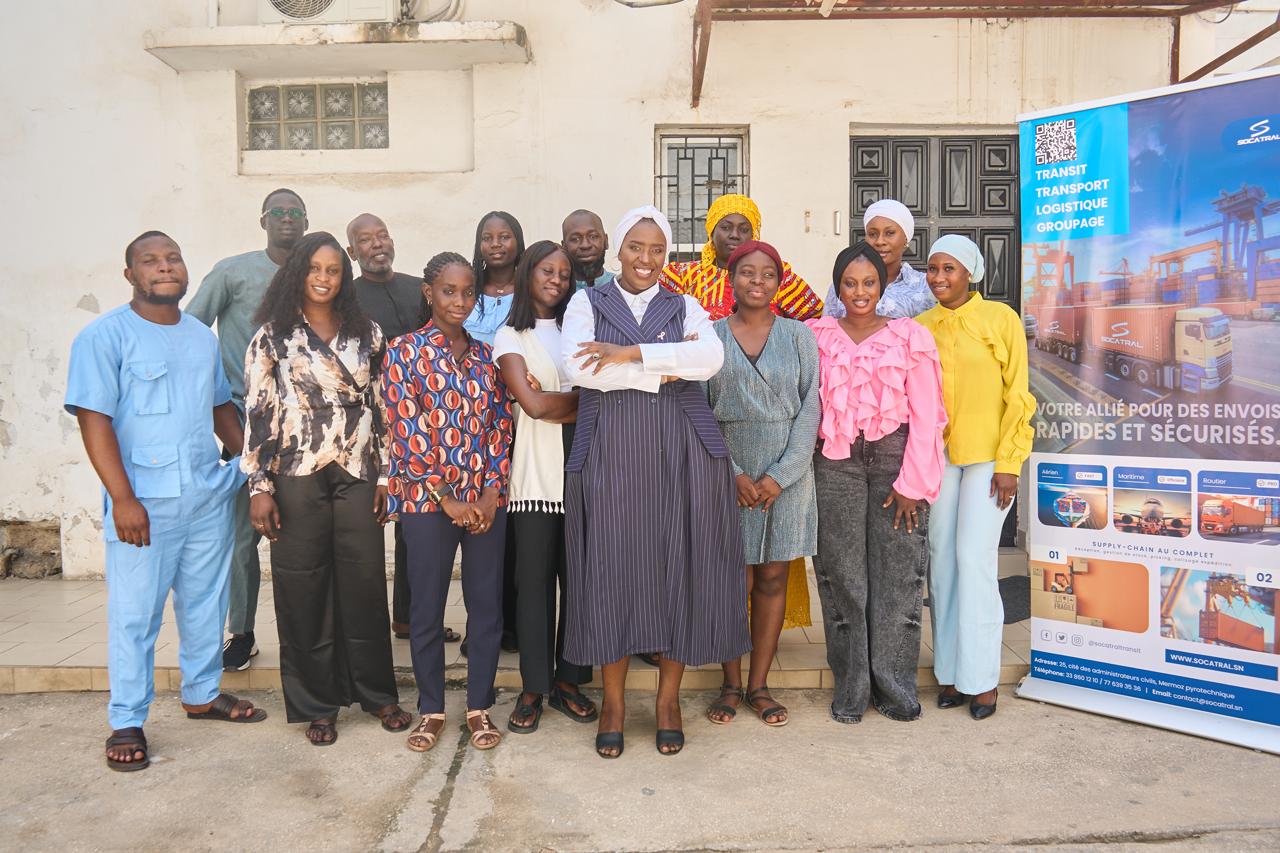
What advice would you give to young women who wish to take up positions of responsibility or pursue a career in logistics?
My first advice is to believe in his abilities, but above all to build his ambitions. We must train, acquire real expertise, understand our sector and never stop learning. Rigor and patience are essential, as mastery of a profession is built with time and experience.
I would also say to them: dare to undertake, take responsibility, express their ideas and hold positions in which women are not always expected. Prejudice should not be allowed to limit what is possible. But ambition must be accompanied by real commitment, willingness to assume responsibility and ability to learn from the difficulties encountered.
Finally, I would encourage them to remain faithful to their values, to surround competent people and to cultivate solidarity. Women need not necessarily consider themselves competitors. We also have a responsibility to share our experiences, share our knowledge and encourage those who wish to follow the same path.