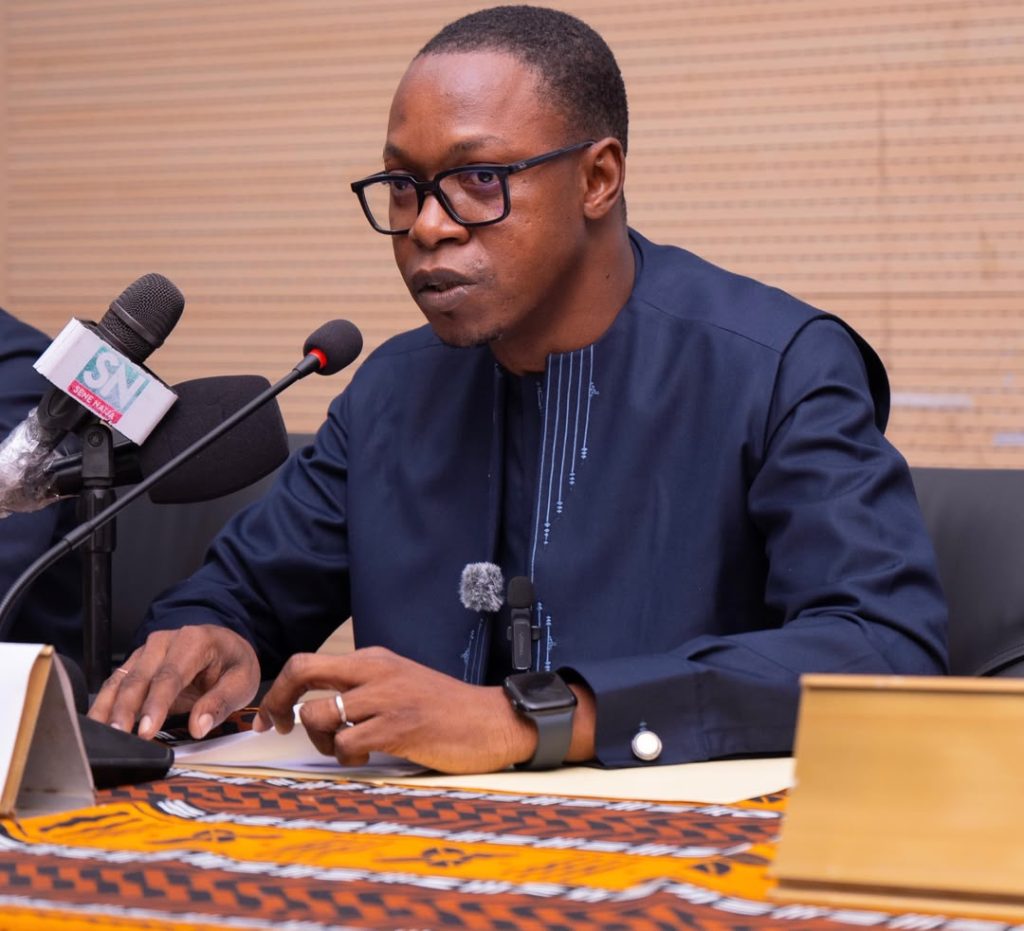


Exclusive interview Africa supply chain magazine – n°17 : Mamoudou TOUNKARA - Associate Director, Grenier de Guinea
From collection in production basins to export, the performance of agricultural sectors is built at each stage of the supply chain. In this interview, Mamoudou Tounkara, Associate Director of Grenier de Guinea, shares his experience in the field and explains why logistics organisation, storage, traceability and investments in infrastructure are today essential levers to improve the competitiveness of African agricultural products.
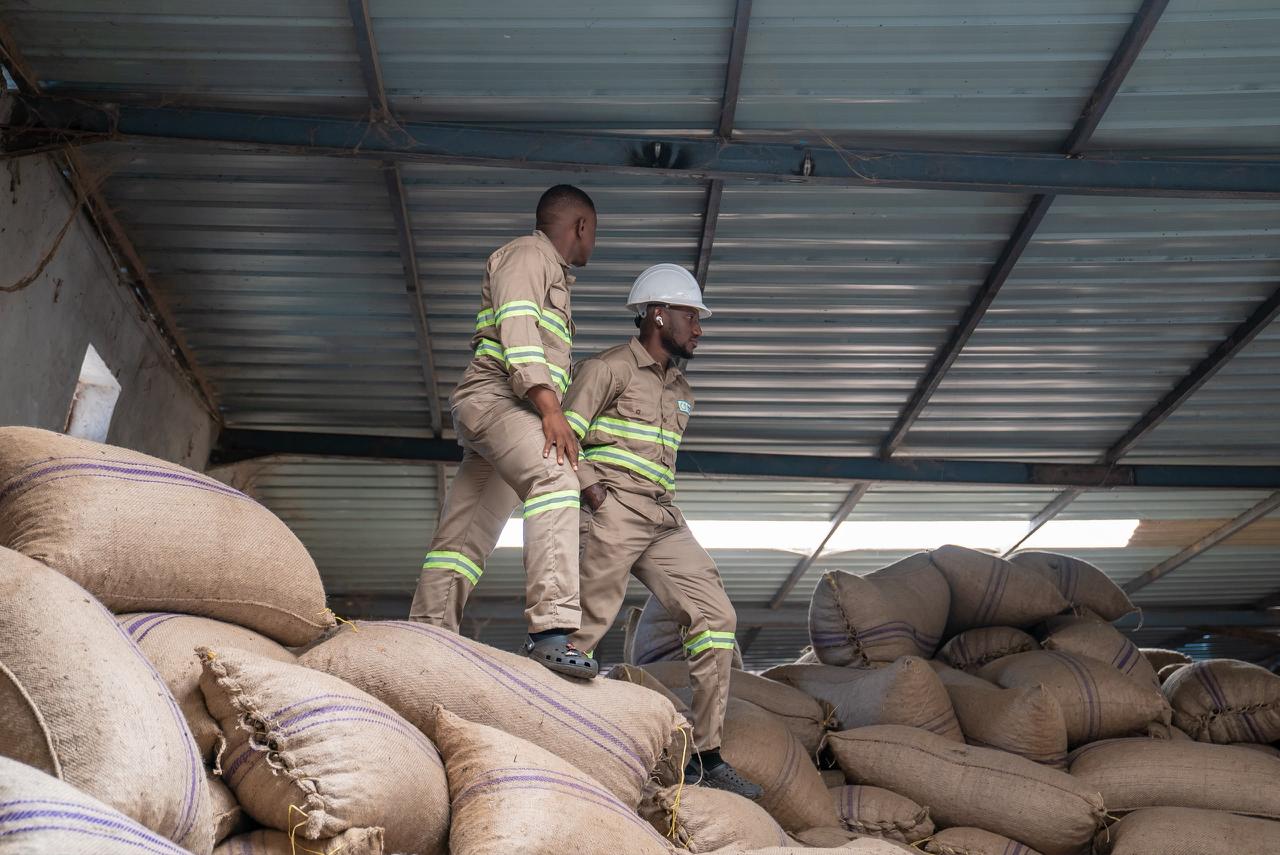
- Can you go back to your professional career and the steps that led you to co-found Grenier de Guinea?
My journey is primarily that of an entrepreneur driven by the desire to contribute to Guinea's economic development through the development of its agricultural resources. At an early stage, I faced the realities of trade in agricultural products and the difficulties faced by producers in accessing organized and remunerative markets.
Over the years, I have developed a solid experience in international trade, negotiating with foreign partners and managing export operations. This experience allowed us to understand that true value was not only in the marketing of products, but in the ability to structure the entire supply chain, from production areas to international markets.
It was this conviction that led us to create Grenier de Guinea: building a company capable of accompanying producers, improving the quality of products and representing Guinea's agricultural potential in international markets with dignity.
Even today, this vision guides each of our decisions and investments.
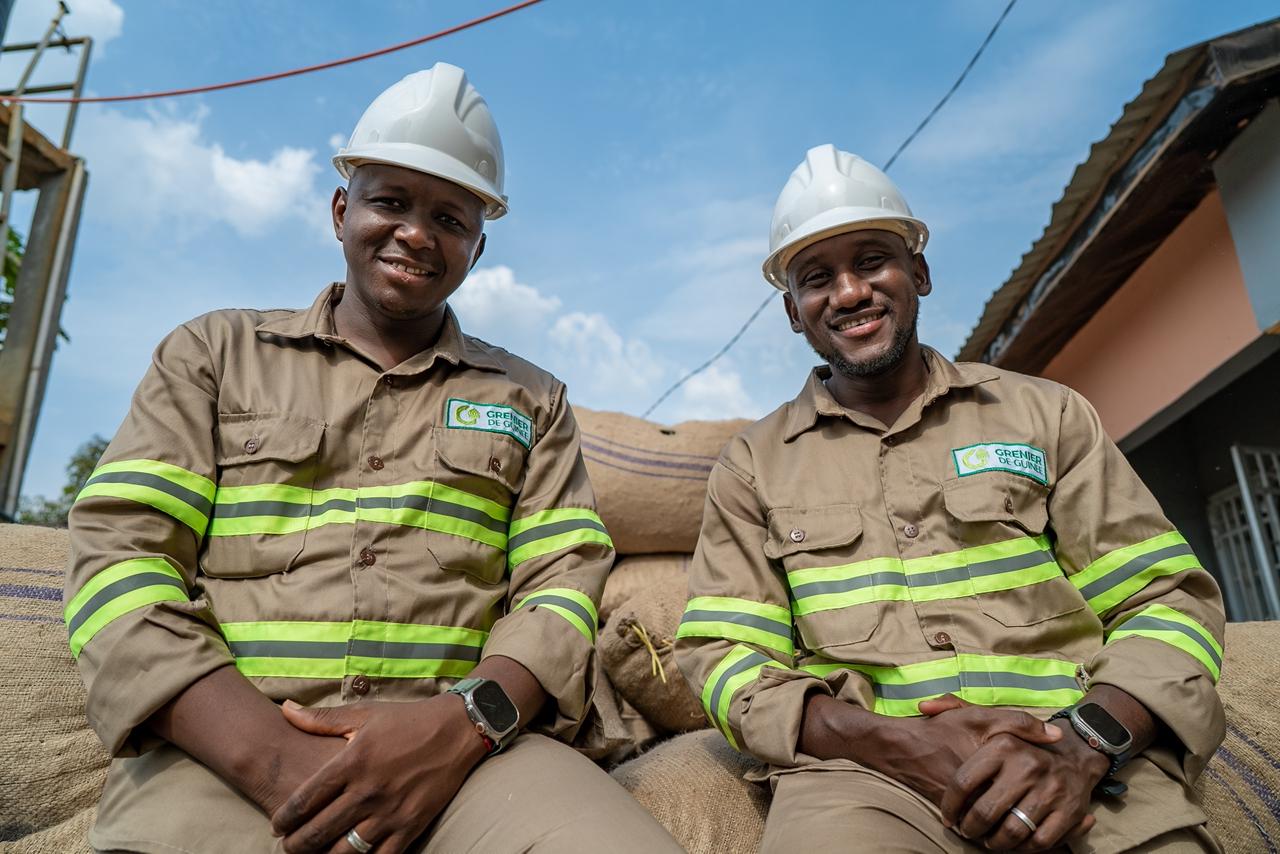
- How was Grenier of Guinea born? What was your original ambition and what are the company's main activities today?
Grenier de Guinea was born from a simple observation: Guinea has immense agricultural potential, but this potential is still undervalued due to the difficulties in organising the sectors, logistical constraints and the low level of local transformation.
Our initial ambition was to build a bridge between Guinean producers and international markets by establishing a professional organization for collection, storage, quality control and export.
Today, Grenier de Guinea is mainly involved in cashew nuts and cocoa, with a significant presence in the regions of Boké, Kankan and N-Zérékoré. The company supports several hundred producers and develops sustainable partnerships with international customers.
During the 2026 season, we exported 4,184,701 tons of raw cashew nuts, illustrating the gradual growth of our operations and the confidence given by our partners.
Our ambition now goes beyond mere export. We want to further develop local transformation, create more added value in Guinea and actively contribute to the development of a competitive agri-food industry.
- When you started the business, what were the first obstacles you faced in organizing the collection and delivery of agricultural products??
The first challenges were related to the organization of collection in an environment where producers are scattered over large areas and where road infrastructure remains limited. There was a need to build a relationship of trust with producers, to build a network of reliable collectors and to set up an organization capable of meeting the demands of international buyers.
Another major challenge was the availability of logistics, including trucks, warehouses and handling equipment. Transport delays, especially during the rainy season, could have an impact on the quality of products and the fulfilment of trade commitments.
These difficulties have prompted us to develop a community organization based on anticipation, campaign planning and a permanent presence in the main production areas.
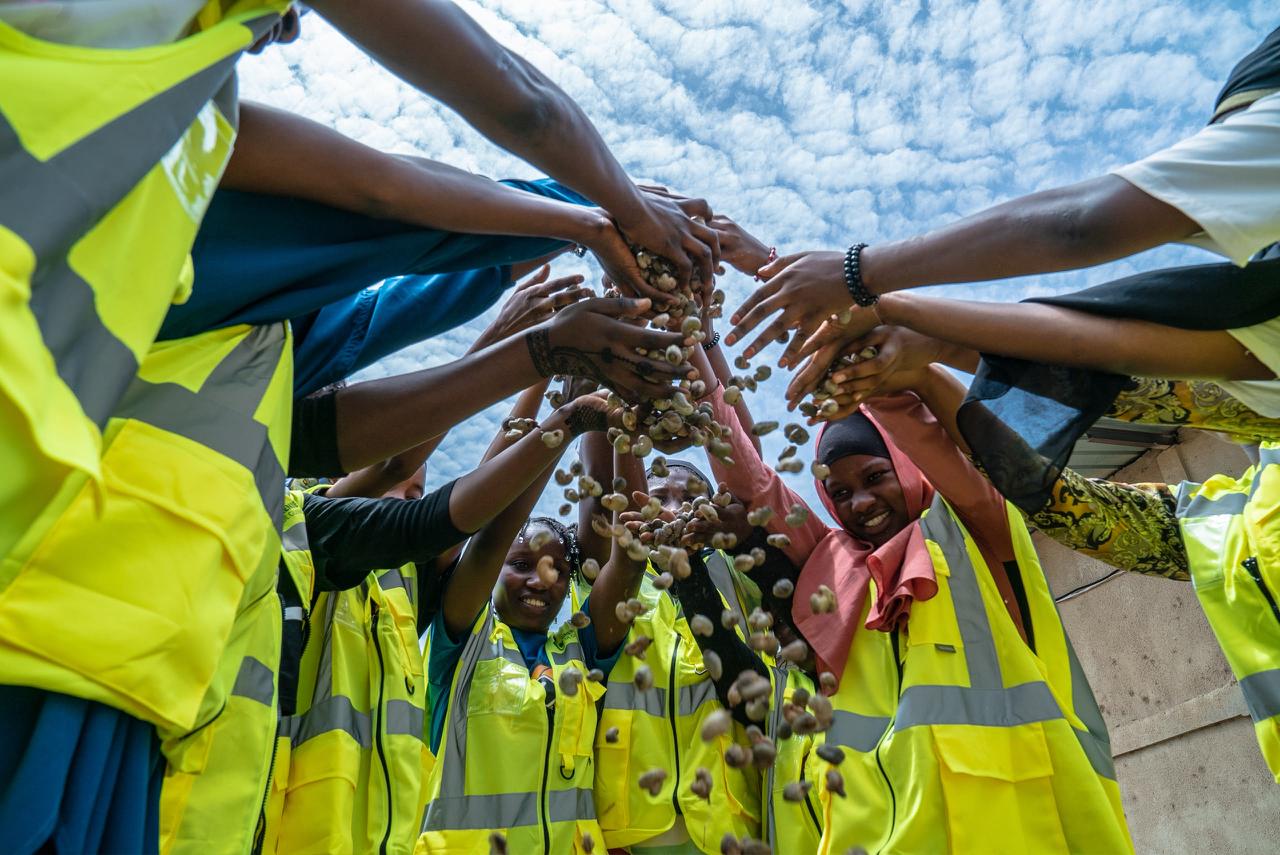
- Grenier de Guinea works with several agricultural sectors. What are the main logistical difficulties between production areas and markets?
Logistics is probably the main challenge of our business. Production areas are often remote from ports and major economic centres. During certain periods of the year, the condition of the roads greatly complicates collection operations and increases delays and transport costs.
To this are added the need for suitable storage infrastructure, the availability of means of transport, the conservation requirements of the products and the need to maintain a constant quality until export.
Despite these constraints, we have chosen to bring our organisation closer to producers by developing a presence in the main agricultural basins. Our teams continuously monitor collection, quality control, storage and shipping operations.
This proximity allows us to limit losses, improve traceability and provide our international partners with a level of quality that meets their expectations.
Beyond the challenges, we believe that these constraints also represent an opportunity to innovate, invest in better infrastructure and build a more efficient supply chain capable of supporting the sustainable development of Guinean agriculture.
- At what point in the supply chain do you see the most losses or inefficiencies: harvesting, collecting, storing, transporting or marketing?
Losses may occur at different stages, but are generally greater between harvest and collection when good post-harvest practices are not always followed. Insufficient drying, poor packaging or inadequate storage in some producers may affect the final quality of the products.
Transport is also an important factor. Road conditions and long journeys between rural areas and storage centres increase the risk of deterioration and logistical costs.
We limit these risks through systematic quality control, rigorous monitoring of operations and continuous support of producers in order to gradually improve collection and conservation practices.
- How does Grenier de Guinea organize the collection of products from producers in different regions of the country?
Our model is based on a proximity presence in the main agricultural basins, including Boké, Kankan and N的Zérékoré.
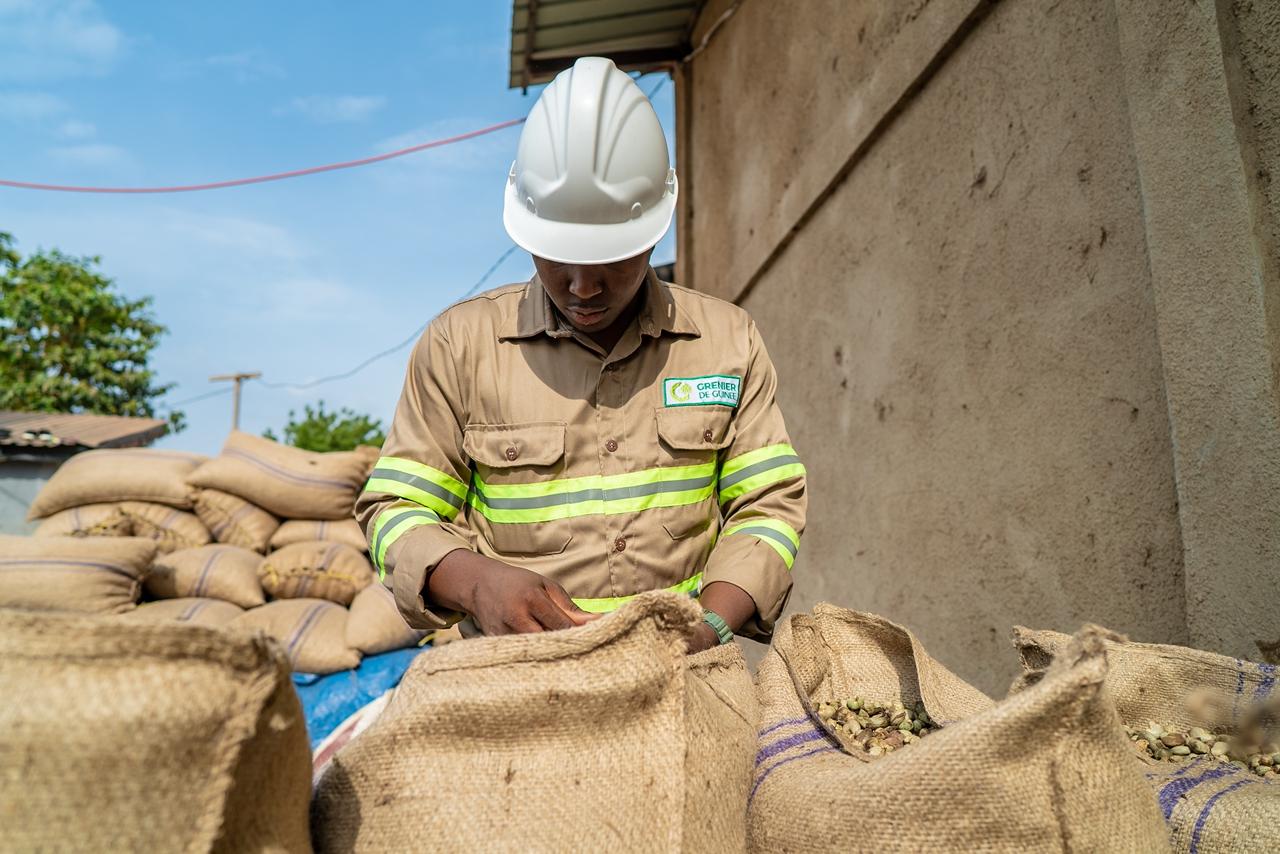
Before each campaign, our teams identify production areas, plan operations and coordinate activities with collectors and producer partners. The products are then grouped into collection points before being sent to our warehouses for quality checks, weighing, sorting, storage and preparation for export.
This organization allows us to ensure better traceability, reduce delays and offer our customers products that meet international standards.
Our priority is to build a reliable supply chain where each player knows its role and contributes to the overall performance of the industry.
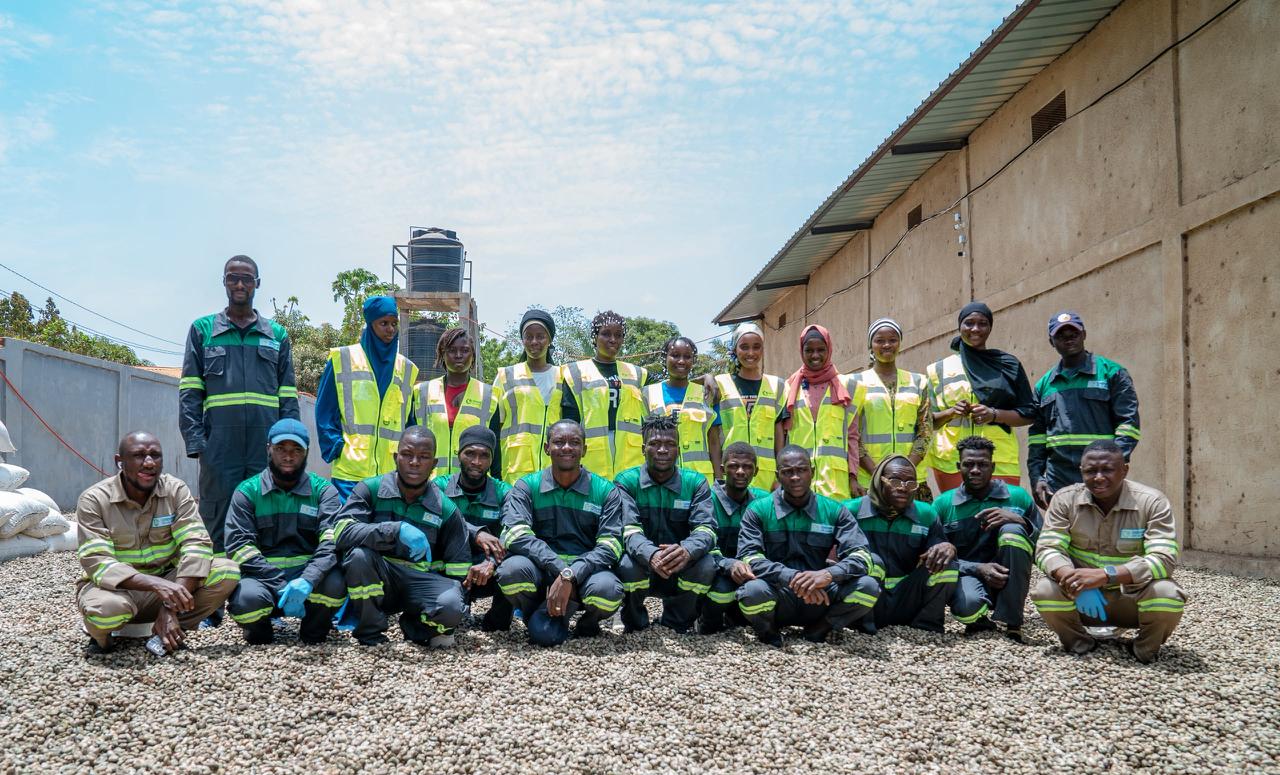
- How do you place storage in your business model and how can appropriate infrastructure transform an agricultural sector?
Storage is a strategic link in our business model. It is not just about keeping the products, it is about preserving their quality, securing the available volumes and better managing the marketing periods.
Adapted infrastructure also improves working conditions, reduces post-harvest losses and provides more flexibility in shipping planning.
Recognizing this issue, we have strengthened our storage capacity to support the growth of its operations. We are convinced that investment in modern infrastructure is a key lever for improving the competitiveness of Guinean agricultural sectors and creating more value for both producers and exporters.
Over the course of the campaigns, we have understood that an efficient supply chain is not based solely on infrastructure. It is based primarily on organisation, trust between actors, anticipation and continuous improvement of practices. It is this vision that today guides the development of Grenier de Guinea.
- The company recently invested in a new bonded warehouse. What needs should this investment meet and what results do you expect?
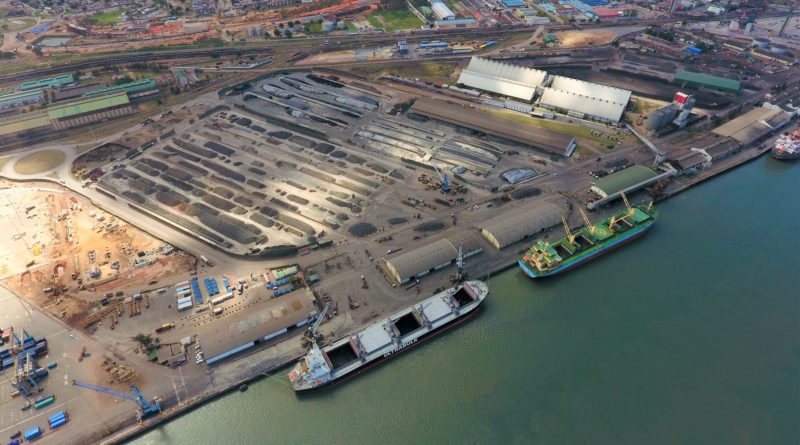
Investment in our new warehouse primarily responds to a need to support the growth of our business. Over the course of the campaigns, the volumes collected increased considerably, which required more suitable infrastructure to ensure safe storage in accordance with quality standards.
This new warehouse allows us to better organize the reception, sorting, weighing, storage and preparation of shipments. It also improves the working conditions of our teams and reduces the risk of losses due to poor product conservation.
In the long run, we hope that this infrastructure will enhance our operational efficiency, reduce processing times and strengthen the confidence of our international partners. This investment is part of our ambition to build a modern, efficient and sustainable supply chain.
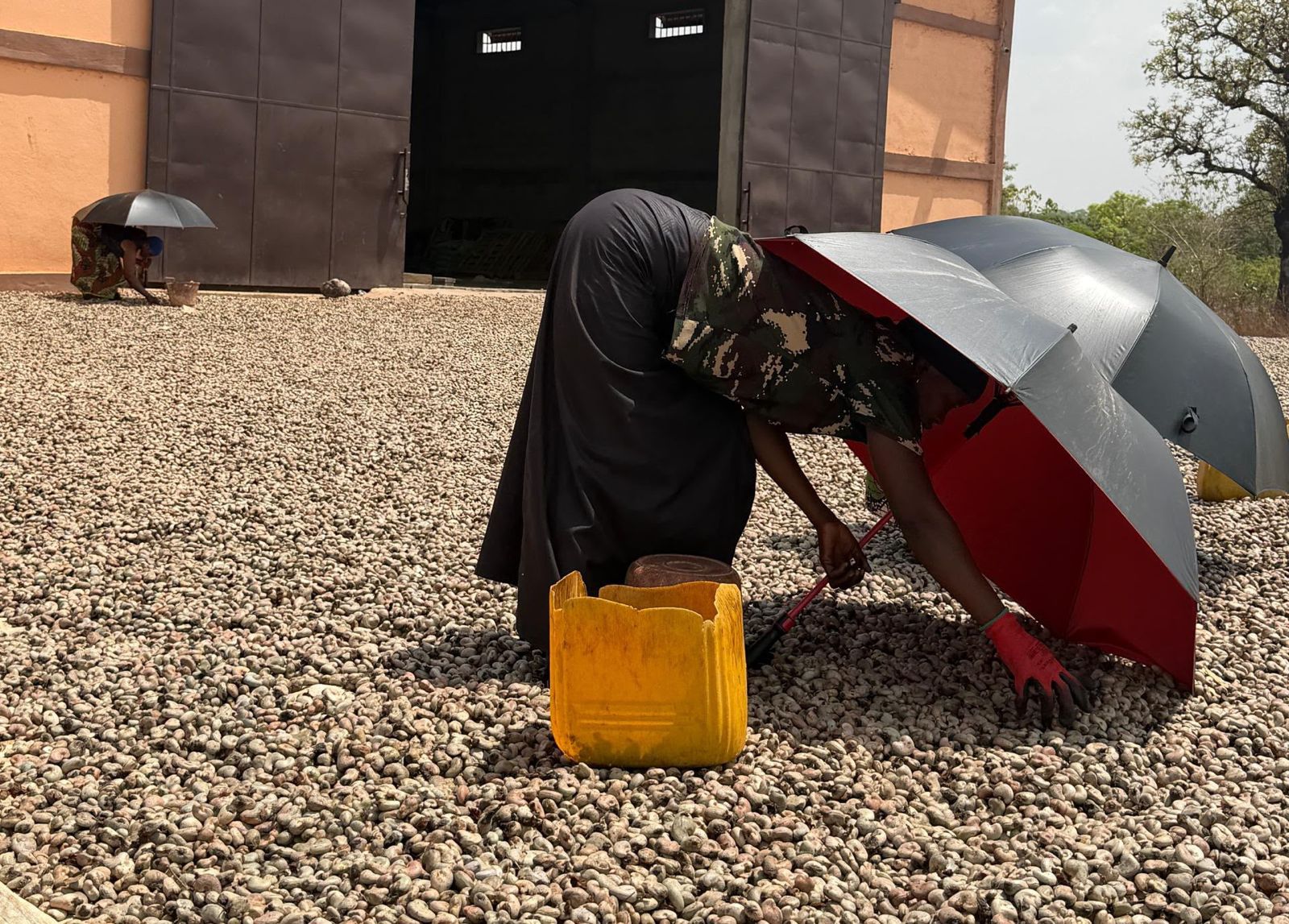
- In your business, what are the logistics costs that weigh the most heavily on the competitiveness of Guinean agricultural products?
Logistics costs represent a significant part of the cost price of our products. The main items of expenditure relate to transport between production areas and warehouses, handling operations, storage, port charges and maritime transport.
The state of road infrastructure can also increase delays and operating costs, particularly during the rainy season. In addition, there are fluctuations in fuel costs, truck rental and international freight costs.
To remain competitive, we are constantly working on optimizing our logistics organization, planning operations and reducing avoidable costs, while maintaining a high level of quality.
- How do you manage quality, traceability and product conservation issues throughout the supply chain?
Quality is a top priority at Grenier de Guinea. From the moment of collection, our teams carry out checks to ensure that the products meet the requirements of our customers. Each lot is identified, weighed, checked and recorded to ensure traceability throughout the supply chain. This organisation allows us to know the origin of the products and to ensure greater transparency vis-à-vis our partners.
Conservation is also based on good storage practices, including proper disaggregation of warehouses, regular monitoring of conservation conditions and rotation of stocks. These measures help to preserve the quality of products until they are exported.
- What types of investments would today be most useful to strengthen food supply chains in Guinea?
The development of agri-food supply chains requires structural investment. Priorities include improving road infrastructure between production areas and marketing centres, building modern warehouses, building local processing capacity and upgrading logistics platforms.
It is also essential to facilitate access to finance for agricultural enterprises, promote international certifications and encourage the adoption of digital tools for monitoring operations and traceability of products.
These investments will not only reduce logistical costs, but also improve the competitiveness of Guinean agricultural products in international markets.
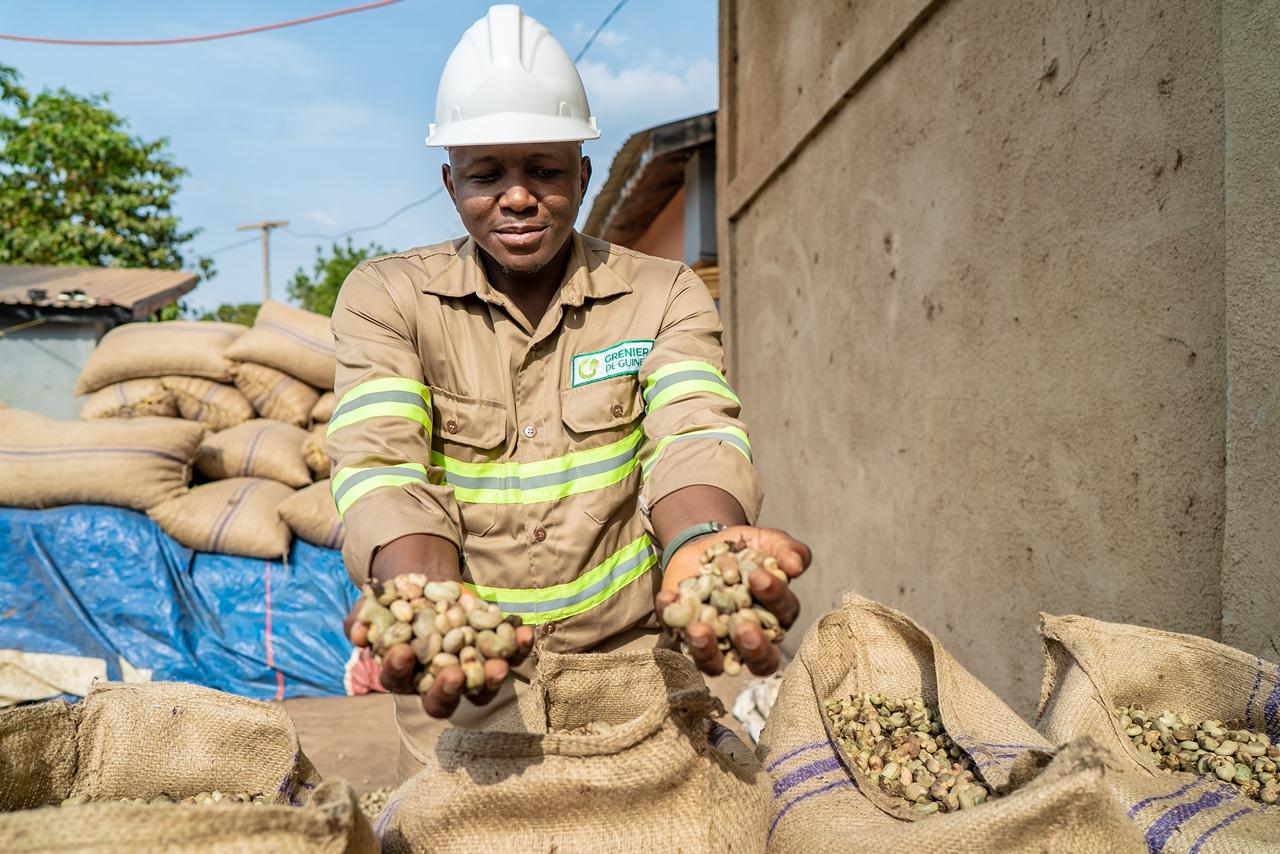
- What role can cooperatives and producer organisations play in improving agricultural logistics?
Cooperatives and producer organisations play an essential role in structuring agricultural sectors. They facilitate the collection, improve the flow of information and promote the adoption of good production and marketing practices.
By working in partnership with these organisations, companies like Grenier de Guinea can better plan campaigns, secure volumes, improve product quality and reduce the costs associated with producer dispersion.
Strengthening cooperatives is therefore a strategic lever for building more efficient, inclusive and resilient supply chains.
- Among the challenges you face in Guinea, which do you think are common to many African countries?
Beyond the realities of Guinea, we see that many African countries face the same challenges in the agri-food supply chain. Inadequacies in road infrastructure, lack of modern warehouses, limited access to financing, high transport costs and low local processing capacity are widely shared issues on the continent.
In addition, there are difficulties in structuring agricultural sectors, organizing producers and complying with the requirements of international markets. However, Africa has exceptional agricultural potential. The real opportunity lies in our ability to transform these constraints into development levers through targeted investments, innovation and better collaboration between public and private actors.
At Grenier de Guinea, we are convinced that solutions require an integrated approach to the value chain: supporting producers, investing in infrastructure, building logistical capacity and promoting local transformation. This will enable us to improve the competitiveness of African products on a sustainable basis.
- If you were to send a message to Guinean and African decision makers on the issue of agri-food logistics, what would you think would be the top priority?
The top priority is investing in modern, resilient and inclusive supply chains.
Efficient agriculture cannot exist without efficient logistics. Producers need convenient roads, suitable warehouses, financing solutions, traceability tools and an investment-friendly environment. These elements are essential to reduce post-harvest losses, improve product quality and enhance the competitiveness of our businesses.
The private sector stands ready to play its full role. Entrepreneurs invest, innovate and create jobs. But their action will be all the more effective as it will be part of a framework where public policies, financial institutions and technical partners work in synergy with companies.
I am convinced that Guinea has every advantage in becoming a major agro-industry player in West Africa. Our land is fertile, our producers are engaged and our companies are becoming more professional. It is now up to us to build supply chains together that can create more value added locally and strengthen Guinea's position in international markets.