



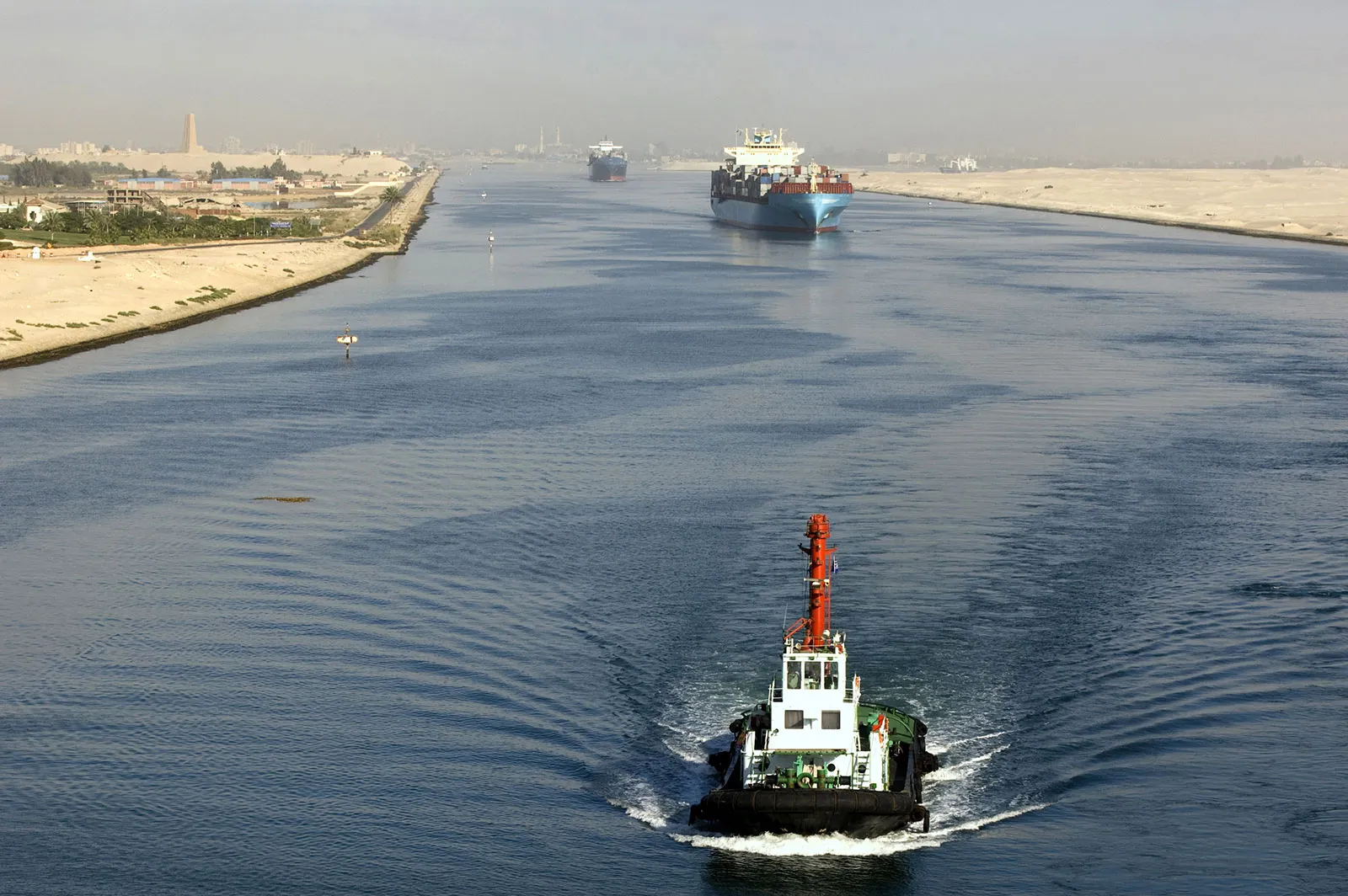
Maritime traffic in the Suez Canal has reached its highest level since January 2024, with 1,088 transits recorded between 20 July and 16 August 2026. Several shipowners, including Maersk and Hapag-Lloyd, have begun to progressively reintroduce certain services via the Red Sea, while maintaining close monitoring of the security situation.
After more than two years of hijacking by the Cape of Good Hope, part of the commercial traffic is gradually returning to the Red Sea-Suez corridor.
According to Lloyds List Intelligence data, the 1,088 crossings recorded over this period represent an increase from 1,070 transits in the previous four weeks and the average of 946 between January and mid-June. However, the level of traffic remains 41 per cent lower than before the Red Sea crisis began.
This recovery includes oil tankers and, more recently, container carriers. In the second quarter of 2026, 3,580 vessels transited through the canal, including 1,526 tankers, representing almost 43% of the total.
Their number increased by 22.3% over one year. The channel's revenues were $1.26 billion over the same period, up 13 per cent from the previous quarter.
On the side of container carriers, large shipowners are gradually proceeding. Maersk has thus reintroduced about one third of its volumes usually transported between Asia and Europe on the Red Sea-Suez axis, with four out of thirteen services concerned.
In particular, the Danish shipowner re-routed its WAF6 service, linking the Middle East, the Mediterranean and West Africa, as well as other lines including MECL service between India, the Middle East and the East coast of the United States. Hapag-Lloyd has also begun a gradual return to certain roads, notably after tests and safety assessments.
The main advantage of Suez's return remains the reduction of transit times. The detour through the Cape of Good Hope can add about ten days of navigation on a link between Asia and Europe.
For some services, Maersk believes that the return to this road will reduce the delays by several days. But the companies maintain the possibility to change their routes again in the event of a deterioration of the situation in the Red Sea and around the Bab el-Mandeb Strait.




