



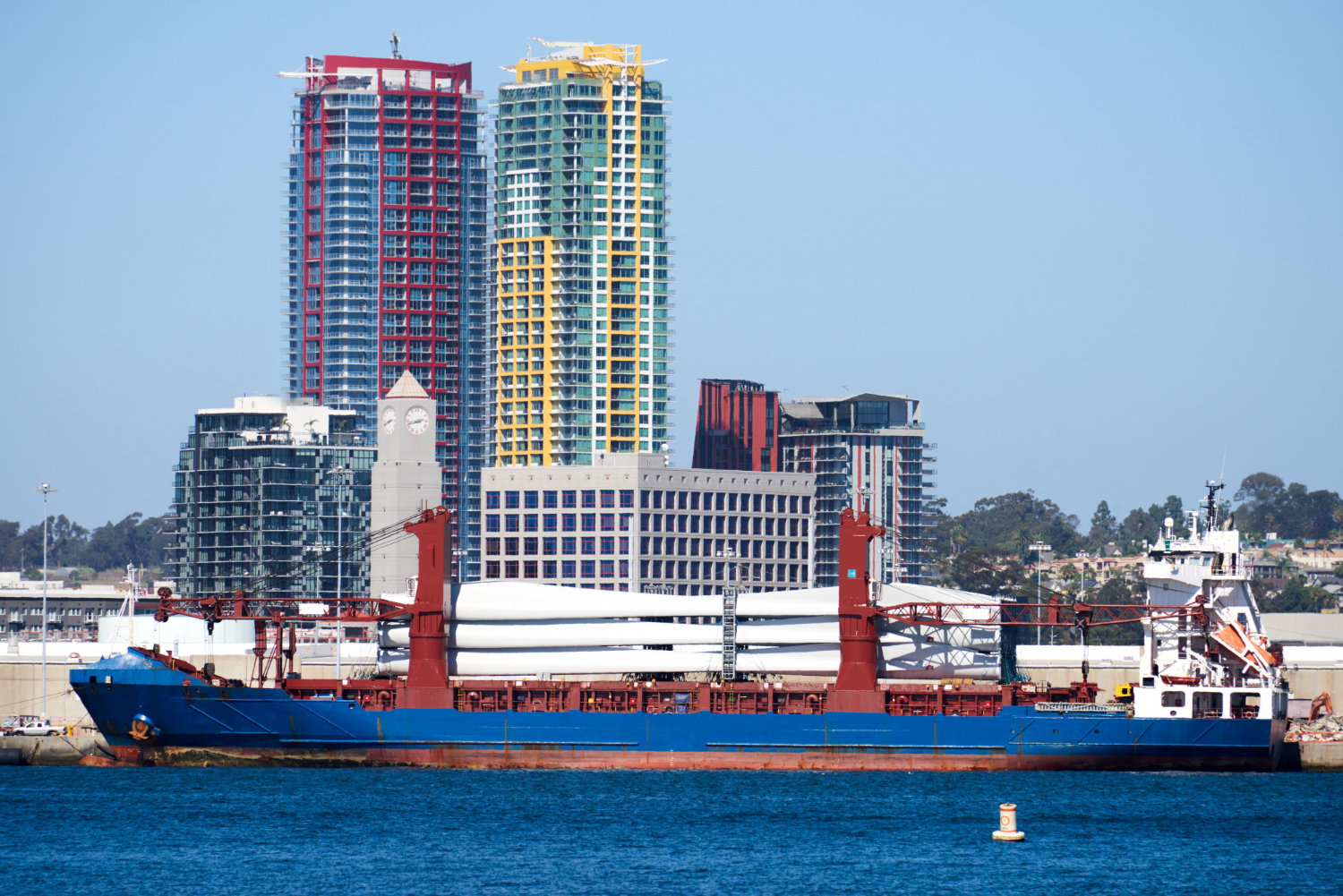
Africa has over 90 ports and thousands of kilometres of coastline. Yet the continent captures only a fraction of the world's maritime traffic. In a context of redefining global roads and growing intra-African trade, African ports face considerable challenges as well as historical opportunities.
The strategic role of African ports
Large African ports such as Tangier Med, Durban, Mombasa, Dakar and Abidjan play a key role in the continent's logistics competitiveness. They serve as import gateways and a platform for commodity exports. Their ability to handle ever larger vessels determines the performance of backcountry economies.
Key issues in the sector
African ports face several structural challenges: lack of storage and handling infrastructure, slow customs procedures, inadequate hinterland connections (roads, rails), lack of qualified personnel and governance problems. These factors reduce their attractiveness to competing hubs outside the continent.
The rise of new generation ports
Massive investments are transforming some African ports. Tangier Med, regularly ranked among the world's best transhipment ports, illustrates this potential. Other ambitious projects are emerging in Senegal (Port de Ndayane), Tanéznie or Mozambique, supported by private and institutional funding.
Port digitalisation
The Port Community Systems (PCS) allow all stakeholders (shipowners, customs, handlers, commissionaires) to exchange information in real time. The generalisation of these platforms reduces the length of stay of ships and simplifies procedures. Technologies such as AI and IoT also optimize terminal management.
The FTAAF, an accelerator of intra-African maritime traffic
The African Continental Free Trade Area opens up considerable opportunities for maritime cabotage between African countries. Today, weak intra-African trade (less than 18% of total exports) limits the development of regional maritime lines. The FTAA, if properly implemented, could change the situation.
African ports have all the cards in hand to become real engines of continental development. The key is targeted investments, transparent governance and further regional integration of maritime and land corridors.




