
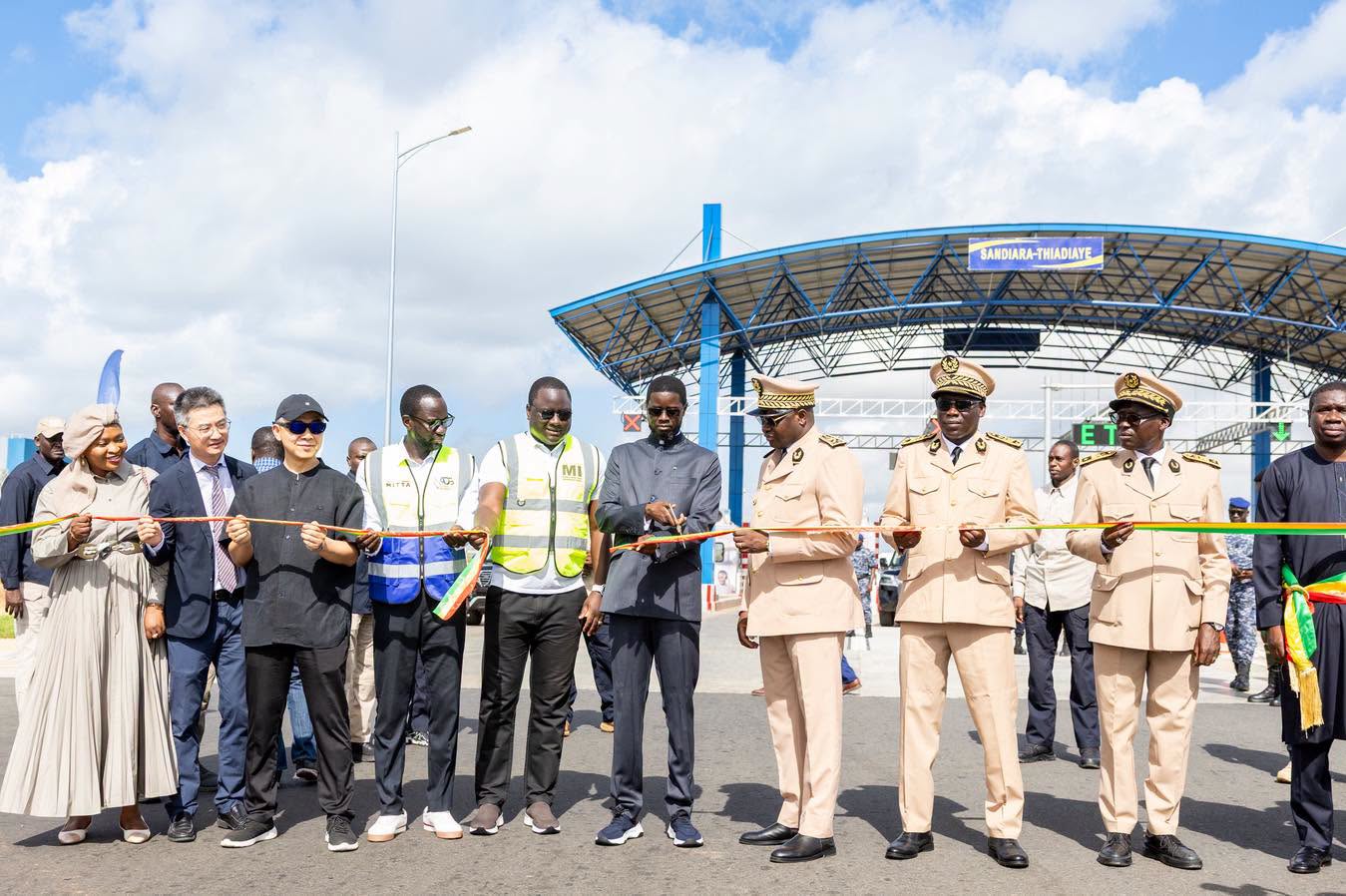
Inaugurated on 22 August 2026, the Mbour-Fatick-Kaolack toll motorway opens a new 100 km axis in Senegal. Beyond internal mobility, this infrastructure must contribute to fluidising road transport and trade on the corridor between Dakar and Bamako, despite the constraints that persist on certain sections of the axis.
The President of the Republic, Bassirou Diomaye Faye, proceeded in Thiadiaye to the inauguration of the Mbour-Fatick-Kaolack motorway, now open to traffic. The infrastructure includes 100 km of motorway and 15 km of connecting roads, at an overall cost of approximately $738 million.
It connects the Petite Côte to the Bassin Arachidier and serves several regions of the center of the country. Its financing was mainly provided by China, with participation from the Senegalese State
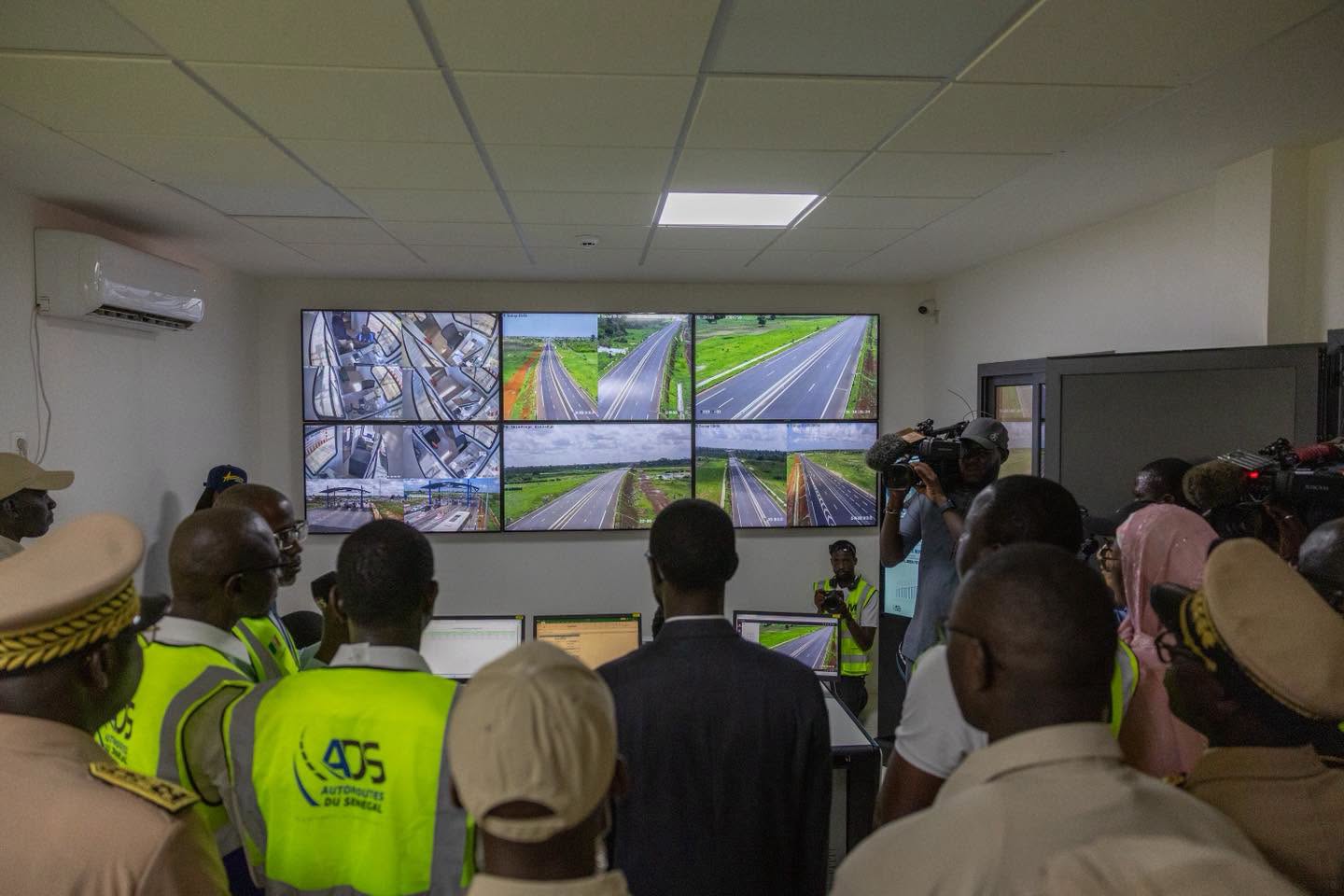
The structure includes 14 overpasses, 7 underpasses, including a 168-metre viaduct, and 58 agricultural crossings. It must help to reduce congestion on national road 1 and to reduce travel times to Senegal's central and eastern regions.
The project also involved around 3,000 direct jobs and some 20 Senegalese enterprises and SMEs in subcontracting.
The issue also concerns regional road freight. Mali is Senegal's leading African market and a significant part of its trade through the Dakar-Bamako corridor.
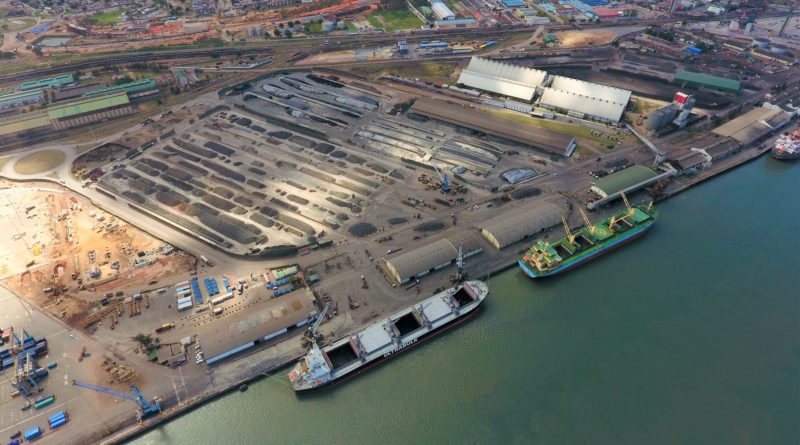
The improvement of the link between Dakar and the interior of Senegalese territory must thus facilitate the transport of goods from the port of Dakar to Mali. This axis remains strategic for the supply of a landlocked country and for Senegalese operators engaged in regional trade.
However, the fluidity of the corridor also depends on the traffic conditions on the sections further east, notably towards Tambacounda, Kidira, Diboli, Kayes and Bamako. The state of some infrastructure, border constraints and security risks continue to disrupt transport operations and extend delivery times.
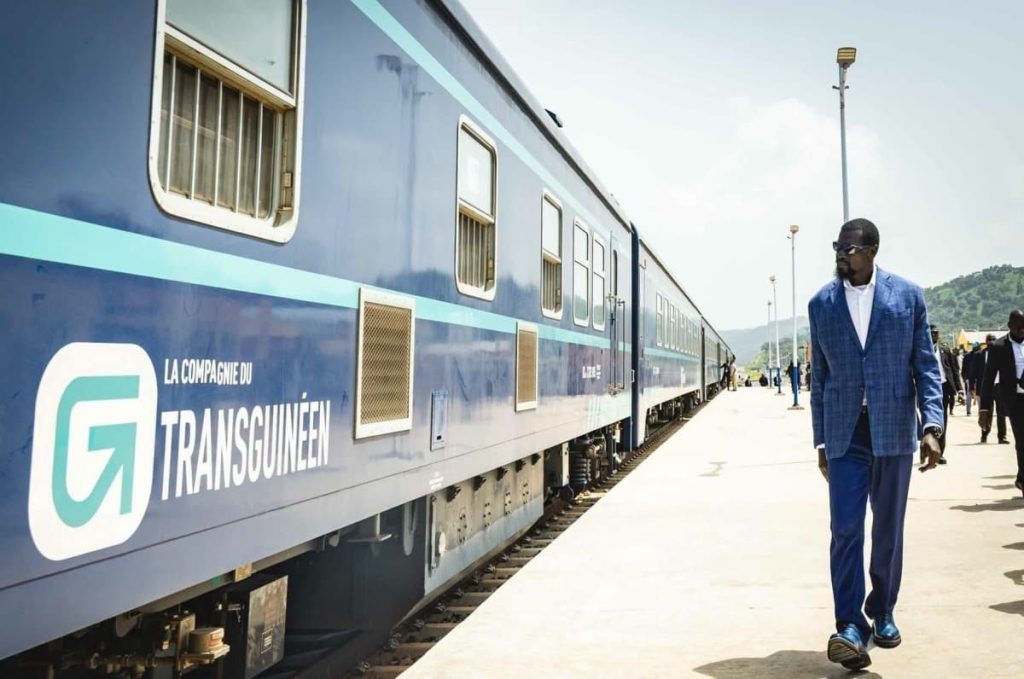
The Mbour-Fatick-Kaolack motorway thus improves a segment of the Dakar-Bamako corridor, while securing and modernizing the other links, as well as relaunching the railway link between the two capitals, remain challenges for transport and regional logistics.