



Rwanda received its first shipment of petroleum products in Mombasa under the new intergovernmental agreement with Kenya. The scheme provides for the use of the port, pipeline network and Kenyan storage capacity to transport imports to Rwanda via the northern corridor.
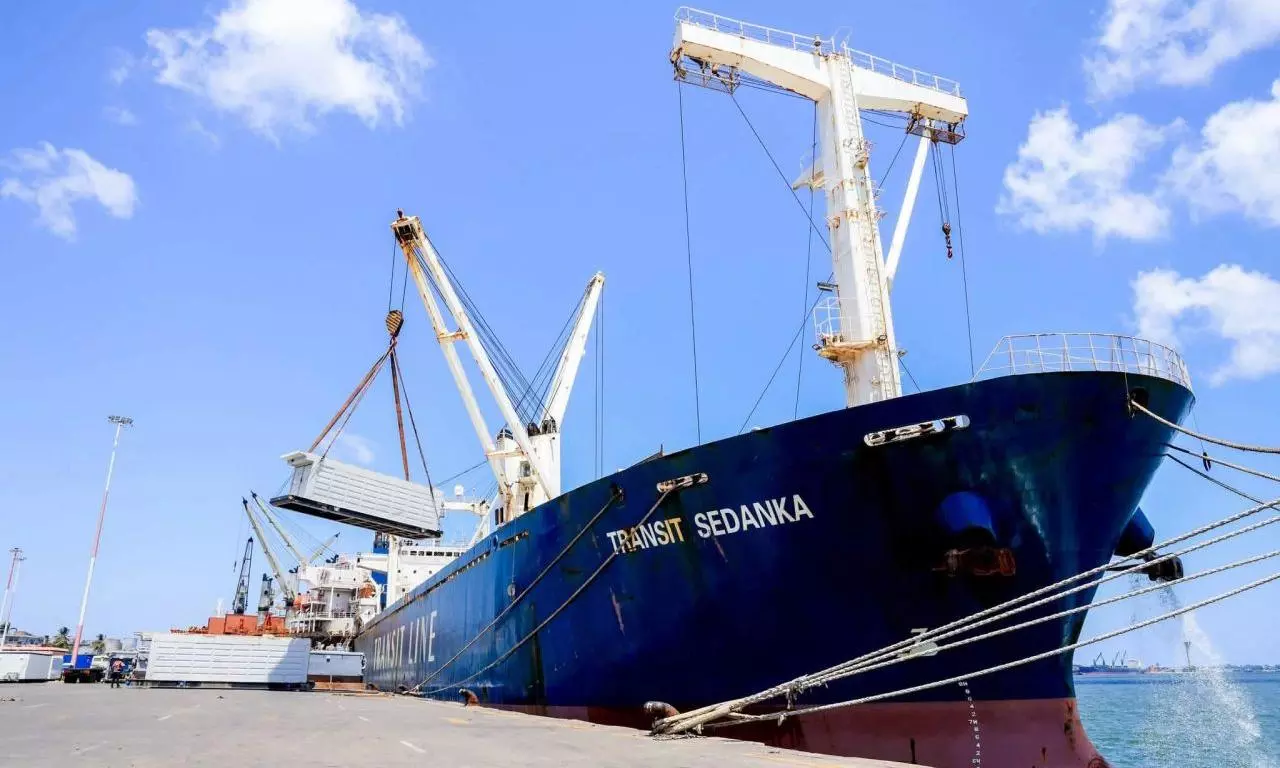
The tank ship MT Sea Wolf landed on 29 September at the oil terminal of Kipevu 2 (Kipevu Oil Terminal 2), in the port of Mombasa, with 40,000 tons of refined petroleum products, mainly gasoline and diesel.
This cargo is the first operation under the agreements signed on 29 June 2026 between Kenya and Rwanda on the import, transport and storage of Rwandan petroleum products. Fuel must be transported to Rwanda via the northern corridor, after its passage through Kenyan port and oil infrastructure.
The new scheme provides for the use of the facilities of the Kenya Port Authority (Kenya Ports Authority, KPA), the Kenya Pipeline Company (Kenya Pipeline Company, KPC) network and its storage capacity.
According to Kenya's Minister of Energy and Petroleum, Opiyo Wandayi, the volume of oil products destined for Rwanda through the North Corridor could increase tenfold in the coming years, to over 500,000 m3 per year. The port of Mombasa is expected to host up to three tankers per month for imports to the Rwandan market.
For Rwanda, this agreement is intended to diversify its supply routes while developing its own strategic storage capacity.
Rwanda's Minister of State for Infrastructure, Armand Zingiro, said the storage capacity proposed in Kenya would give the country more flexibility during the expansion of its national facilities.
On the Kenyan side, the Kipevu oil terminal can accommodate up to three tankers with a combined capacity of 170,000 tons of heavy cargo. The facility is connected to the petroleum product transmission and storage network used to serve several markets in the region.
This new link reinforces the role of the North Corridor in the energy supply of East Africa. Products landed in Mombasa can be transferred to the pipeline network prior to their land transfer to Rwanda.
The scheme is also part of regional trade within the East African Community (EAC) and is taking place as Kenya continues to develop its oil infrastructure, including to increase its regional storage and transit capacity.




