




Article from Africa supply chain magazine – n°17 By Babacar Sembene Director General, Market Regulatory Agency – Ministry of Industry and Trade
Africa is at the crossroads of its food destiny. While the continent concentrates nearly 60% of the world's uncultivated arable land, it remains heavily dependent on imports to feed a population that will double by 2050. Yet the real paradox of African food security is not an inability to produce, but our structural fragility to conserve, transport and distribute crops.
To secure the logistics of Africa's first economic sector, the most immediate and cost-effective lever is post-harvest loss reduction (PPR). It is no longer just an agronomic challenge, but a major logistical challenge capable of carrying out the structural transformation of African agriculture.
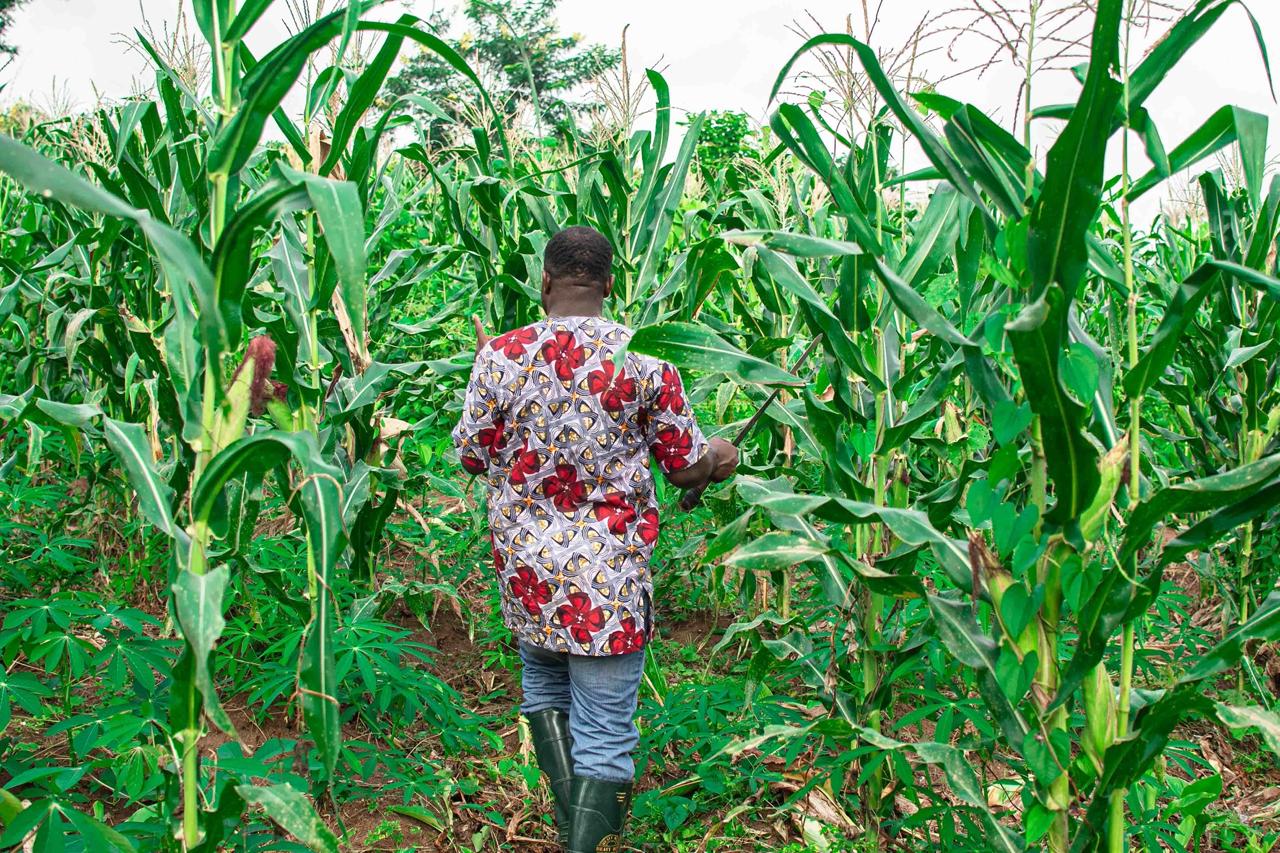
Agriculture continues to drive socio-economic development in Africa, employing over 60 per cent of the labour force and contributing 23 per cent to the Continental Gross Domestic Product (GDP). Despite this weight, sub-Saharan Africa loses a considerable share of its production between field and consumer, thus observing its food sovereignty.
While FAO estimated in 2011 that up to 37 per cent of the food produced in sub-Saharan Africa was lost, of which 20.5 per cent was for cereals and 8 per cent was specifically related to handling and storage, the challenge remained. Beyond the figures, the problem is structural: it is not the production capacity that is lacking, but the ability to efficiently deliver these products to the final consumer. In the face of rapid population growth, securing agricultural logistics is not simply an operational optimisation; It is a national and regional security imperative.
Economic and agronomic literature has widely documented this phenomenon. According to FAO (2011), nearly a third of the world's food is lost or wasted. In sub-Saharan Africa, this reality is taking a critical turn. As Barrett et al. (2020) points out, the dysfunctions of the « fragmented value chains » focus mainly on the upstream segment, between the field and the wholesale market.
Unlike developed countries where waste occurs mainly at the consumption stage, Africa suffers post-harvest losses (PPR) caused by early logistical disruptions. Minten et al. (2016) have shown that the lack of rural transport and storage infrastructure creates a « bottleneck » which annihilates productivity gains.
However, the World Bank's programme « Africa Myths and Facts », A significant difference is that farmers' self-reported losses for maize range between 1.4% and 5.9%, well below FAO estimates.
These losses, concentrated in a minority of households, worsen with moisture and heat, but decrease thanks to better market access, post-primary education and optimized management of seasonal price differentials. This divergence in estimates reveals a real epistemological tension: the perception of the problem varies according to the method of measurement, directly influencing the design of public policies.
Therefore, the fundamental question for policy-makers and professionals in the supply chain To what extent can the logistical and regulatory restructuring of supply chains transform the African agricultural sector by structurally reducing post-harvest losses? More specifically, how can this logistical security be a transformative lever, beyond the fragmented and tech-centric approaches that have prevailed so far?
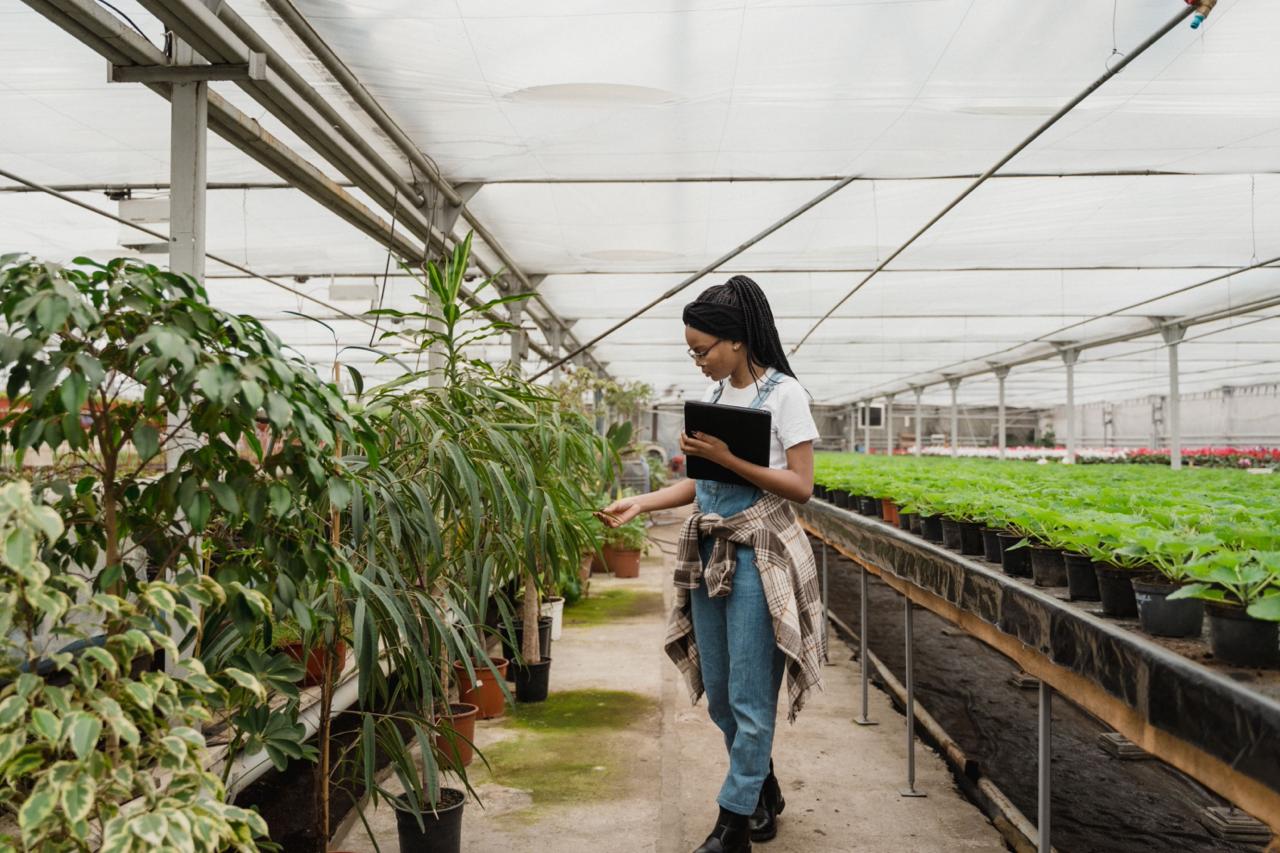
This article demonstrates that reducing PRPs is not just a technical challenge, but a logistical, financial and institutional imperative. It has three objectives:
- Strictly quantify the scale and economic impacts of post-harvest losses in Africa.
- Analyze the integrated levers for reducing these losses, from financing to digitalization, highlighting their interdependence.
- Develop strategic recommendations for effective regulation of agricultural markets and enhanced regional integration.
In parallel, this study examines the dynamics of agri-food supply chains internationally, highlighting their environmental impact and innovative stock management initiatives. The challenge is to ensure quality products while ensuring strict traceability, a real guarantee of confidence for consumers.
The systemic extent of post-harvest losses and their macroeconomic impacts
To understand the urgency of the situation, a historical reminder is required. In 2011, the report of FAO and the World Bank, « Missing Food : The Case of Postharvest Grain Losses in Sub-Saharan Africa »already estimated cereal losses at about $4 billion per year. Fifteen years later, despite the commitments of the Malabo Declaration (2014) aimed at halving these losses by 2025, the situation remains severe.
According to recent data from FAO and World Resources Institute (WRI), between 30% and 40% of total food production in sub-Saharan Africa is lost between field and market. For highly perishable horticultural products (onions, potatoes, tomatoes) and tubers, this rate frequently varies between 45% and 50% during peak production.
These losses are not only physical; They are a colossal economic hemorrhage. By evaporating billions of dollars each year, they deplete small farmers, increase prices for the final consumer and maintain structural volatility that makes African supply chains unstable and uncompetitive internationally.
The economic impacts of this phenomenon are divided into three main areas:
- Destruction of Value and Sovereignty: The African Development Bank (ADB) estimates the overall cost of these losses at nearly $48 billion per year. This lost value exceeds the continent's annual food imports, thus undermining its economic sovereignty.
- Erosion of rural incomes: For the small producer, losing 30% of its harvest is equivalent to a direct amputation of a third of its purchasing power. This loss of profits keeps rural communities in a cycle of chronic poverty, hampering any capacity for investment and modernization.
- Balance of payments inflation and imbalance: Physical losses create artificial shortages in urban markets. This rarity exacerbates price volatility and obliges States to draw from their foreign currency reserves to import substitutes, thus degrading the trade balance.
The critical triptych: Storage infrastructure, Logistics and Financing
The sharp deficit in storage infrastructure is the major bottleneck in African supply chains. Already weakened by the lack of road and rail networks, these chains usually operate in « Just-in-time », without buffers to absorb shocks.
According to the World Bank report (May 2025), storage capacity available in sub-Saharan Africa covers less than 30 per cent of annual production. This deficiency condemns producers to the « distress sale » immediately after harvest, when the offer is plethora and prices at the lowest.
However, the storage sector shows signs of vitality. In 2024, the storage market in Africa and the Middle East generated USD 83.1 billion, with a projection of USD 131.7 billion by 2030 (+8% per year). As the report points out « Africa Industrial Market Dashboard » (H1 2025) By Knight Frank, the occupancy rate of modern warehouses jumped to 83%.
However, growth remains uneven. While standard storage dominates, the critical refrigeration segment for horticultural production is the fastest growing segment driven by agro-industry and e-commerce. Innovative solutions, such as solar cold chambers (like the ColdHubs), prove that it is possible to prolong the conservation of foodstuffs from 2 to 21 days, regardless of the failures of conventional electricity grids.

The transition to scale, however, is hampered by the « financing wall ». The traditional banking sector often finds it too risky to invest in the first logistic kilometer (rural grouping infrastructure). To lift this lock, public action must focus on two levers:
- Public-Private Partnership (PPP): To co-invest in structuring infrastructure.
- Warehouse Receipt System (SRE): By allowing producers to pledge their crops stored in certified warehouses, the SRE transforms a physical stock into liquid financial assets, stabilizing supply and prices.
Senegal's Market Regulation Agency (AMR) places these issues at the heart of its strategy. Together with Agricool SA and the support of German cooperation (GIZ), we have launched a project of innovative logistics corridors.
This programme provides for the creation of refrigerated storage networks in controlled atmospheres to preserve 250,000 tonnes of horticultural products (200 000 tonnes of onions and 50 000 tonnes of potatoes), while generating 3,000 jobs.
The Ngomene site, with a capacity of 25,000 tonnes, is the pilot phase of this scheme, inaugurated under the auspices of the Minister of Industry and Trade, Dr. Serigne Guèye Diop. More than just a conservation infrastructure, this network is a powerful tool for economic regulation: it reduces post-harvest losses currently close to 30% in Senegal, stabilizes prices and guarantees sustainable food sovereignty, far from cyclical approaches.
Adapted packaging and local processing: The links of valuation
- Packaging optimization: a strategic lever against post-harvest losses
The improvement of the supply chain (supply chain) is based on too often neglected technical details, the first of which is packaging. Currently, the transport of fragile products such as tomato or mango in overloaded jute bags or rudimentary wooden cases, packed in unsuitable vehicles on bumpy tracks, causes irreversible mechanical damage.
A key role in preserving products Packaging plays a crucial role in reducing physical loss. As an illustration, studies in Karnataka documented a loss of 0.12 kg/quintal due exclusively to inadequate conditioning and rough handling.
Therefore, the adoption of suitable technical solutions, such as stackable boxes, micro-perforated stretch films and standardized sizes, significantly reduces the impact and dehydration of perishable foodstuffs. According to the standards of the Postharvest Education FoundationThe introduction of rigid and ventilated plastic boxes and biodegradable solutions can reduce transport losses by more than 25%.
A multidimensional challenge If the solution is technical, the issue is also economic. To be viable, these adapted packagings must be produced locally at an accessible cost, which requires the development of a genuine national agri-food packaging industry.
Example of practical application This modernization process is already in progress. In Senegal, for example, horticultural sectors (onion, potato, carrot) have begun a transition to the use of 25 kg bags in line with international standards, thus enabling better product protection, rationalisation of storage and increased exploitation of local production on external markets.
- Industrialization and Local Transformation: Keys to Economic Development and Sovereignty
Transformation, as an engine of prosperity. Africa's development will not be the result of chance, but of a strong will to industrialization. Today, it is imperative that the continent stop selling raw materials. Indeed, if production feeds, it is transformation that enriches. The one who produces simply sells his effort, while the one who transforms sells added value, jobs and a brand.
True wealth does not arise from harvesting, but from a nation's ability to turn its raw material into finished products. It is through this shift, where the field feeds the factory, that skills, businesses and, eventually, the economic future of a country are built.
Processing (drying, fermentation, packaging) is a major lever for valuing agricultural products. For example, for fruit and vegetables, techniques such as solar drying or the production of puree allow for longer storage for several months, thus transforming perishable goods into storeable and tradable products.
Moreover, this industry plays a role as a market stabilizer. By absorbing crop surpluses, it helps to mitigate supply shocks. As such, industrial logistics would benefit from getting closer to the production basins via Agropoles or Special Agro-industrial Processing Areas (SAPZ), thereby reducing transport costs and losses.
Beyond quantity, quality remains the primary requirement. Any fault in the supply chain can result in a harmful domino effect. Therefore, innovation in packaging has become indispensable. The adoption of reusable bins, recycled cartons or edible packaging makes it possible to reconcile the preservation of the product with respect for the environment. These practices are part of a transition to chains « Green »ensuring safe products and enhancing the confidence of domestic and international consumers.
The recent inauguration of the SAF Ingredients factory in Ross-Béthio, by President Bassirou Diomaye Diakhar FAYE, perfectly illustrates this dynamic of local transformation. A pioneer in Africa, this unit transforms onion into powder and strips thanks to ecological technology using biomass (rice balls).
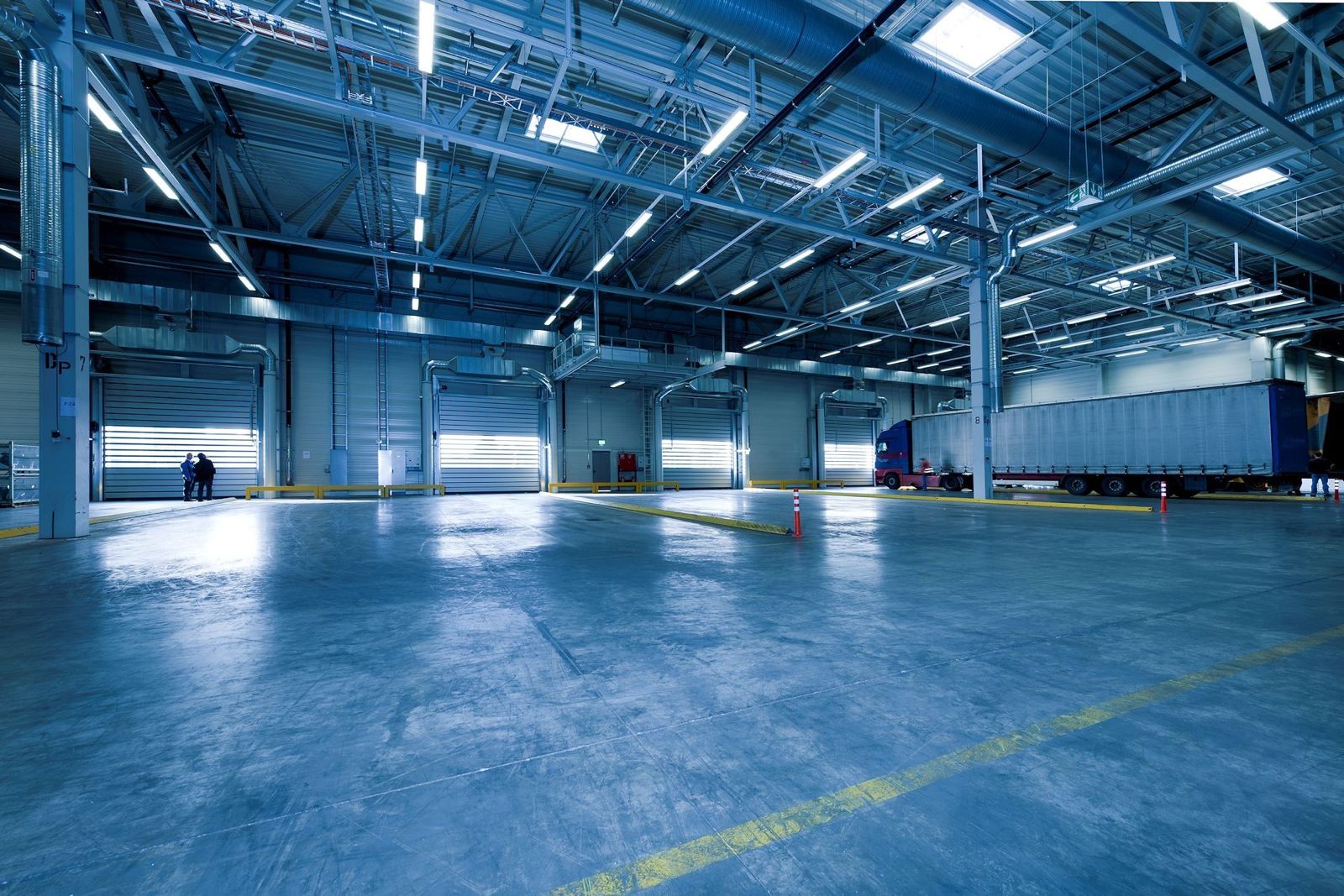
This investment is structured around three strategic areas of the « Vision 2050 » :
- Substitution of imports: While Senegal imports massively onion powder for its flourishing broth industry, this plant allows to meet local demand with domestic production.
- Agricultural development and job creation: By offering new opportunities to farmers and drastically reducing post-harvest losses, this project stimulates the local economy and generates direct and indirect jobs, especially for women, an essential link in the chain.
- Promotion of private investment: SAF Ingredients symbolizes the leading role that the private sector must play, through own funding or public-private partnerships (PPPs), to structurally transform the Senegalese economy.
In short, through the support of the Market Regulation Agency (AMR) to structure relations with producers, this project demonstrates that local industrialization, when conceived and supported, is the most reliable basis for food security and economic sovereignty in Senegal.
Regulation, contracting and health standards: the pillars of secure transactions
Fragmentation of African agri-food value chains is a structural obstacle to economic development, generating significant post-harvest losses. Indeed, the absence of stable contractual relations between producers, collectors, processors and traders creates permanent uncertainty.
This instability inevitably results in hasty sales at harvest, chronic disinvestment in product quality and increased price volatility. To remedy these shortcomings, the establishment of a strict regulatory and contractual framework is an absolute necessity.
The transition to an efficient supply chain requires a professionalisation of the relationship between producer organisations and buyers, whether industrialists or wholesalers. In this respect, agricultural contracting (contract farming) asserts itself as the preferred tool for providing the necessary predictability in terms of prices and volumes, thus encouraging players to invest in logistics quality on a sustainable basis.
There are a number of practical arrangements to secure these transactions:
- Production contracts: They formalise the commitment to purchase at a price agreed prior to harvest, guaranteeing the producer an assured outlet and the buyer security of supply.
- Agricultural exchanges for perishable produce: These platforms facilitate the encounter between supply and demand, while ensuring public pricing for greater transparency.
- Guarantee: This stock-based credit system allows the producer to defer sale after the harvest period, thus avoiding a fall in production during the seasonal price collapse.
The organisation of transactions is the core business of the Market Regulation Agency (AMR). In a context where price volatility is exacerbated by information asymmetry and the presence of opportunistic intermediaries, the ARM acts as a guarantor of the balance of market forces.
For many years, the experience of ARM in agricultural sectors has demonstrated the effectiveness of its interventions. Through its regulatory tasks, the Agency has introduced contracting mechanisms directly linking producers to traders and aggregators.
This contractual dynamic is not just about securing farmers' incomes and stabilising domestic market supply; It is mainly a clear break with traditional, often opaque and inefficient marketing channels. Through its ability to control flows and limit speculative behaviour, the ARM ensures a fluidity essential to the growth of the sector.
Beyond contracting, regulation aims to prevent anti-competitive practices and mitigate excess volatility. According to World Bank analyses, seasonal price differentials play a paradoxical role: if they are too small, they discourage investment in storage, but if they are too marked, they penalize consumers. Effective regulation must therefore find this subtle equilibrium, relying on several instruments:
- Active price monitoring: Regular collection and publication of reference prices.
- Control of business practices: Strong fight against speculation, abusive theasurization and illegal cartels.
- Stabilization mechanisms: Management of regulatory stocks and modulation of import or export taxes where necessary.
- Institutional transparency: Establishment of operator registers and reporting obligations for traded volumes.
Finally, market security cannot be complete without the strict application of Sanitary and Phytosanitary Standards (SPS). These are the essential sesame for access to international markets, in particular the European Union, the Gulf countries or the FTACAF area. Compliance with international standards, such as the Codex Alimentarius, and compliance with traceability requirements (such as ECTN certificates) are imperative.
As a result, strengthening the national capacity for laboratory inspection, certification and control becomes a prerequisite sine qua no for the expansion of agri-food exports. The integration of these quality control infrastructures from the « first kilometre » closest to the place of production ensures that the products reach the final markets without risk of seizure or destruction, thereby protecting the investment of the actors and the reputation of the national sectors.
The Digital Revolution: Market Information Systems (IMS) 2.0
Modern agricultural logistics is no longer based solely on the physical movement of goods, but on the control, fluidity and reliability of information. In Africa, the food paradox remains a structural reality: a continuing asymmetry of information between landlocked production areas and high-demand urban centres generates massive post-harvest losses. While surpluses perish in the field due to lack of outlets, urban markets suffer artificial shortages, exacerbating price volatility to the detriment of both farmers and end consumers.
The digital transformation of value chains, brought about by the next generation of Market Information Systems (IMS), is a decisive turning point. Unlike old static models, these tools allow granular and real-time distribution of prices, available volumes, and market access conditions.
By democratizing access to the data, the SIM corrects the asymmetry that historically penalizes rural producers. The latter, better informed, gain in bargaining power, while traders can redirect their logistical flows to deficit areas, thereby ensuring better price stability and increased food security.
Within the ARM, the integration of advanced technologies radically changes the governance of flows. Deployment of dynamic collection tools and inventory management platforms, like the system « Sistock »marks a major step forward. This device allows:
- Real-time monitoring National reserves, essential for anticipating welding periods.
- Increased visibility on price levels on control markets, allowing proactive regulation.
- Strategic decision support, transforming raw data into performance indicators for public policies.
The data becomes the engine of a predictive logistics. By connecting production databases with transport networks, it is now possible to plan harvest collection with hourly accuracy, minimizing the risk of deterioration.
The emerging model of « The use of agricultural logistics » mobile direct linkage applications revolutionize transport in rural areas. These platforms promote:
- Optimization of filling rates : By mutualising cargoes, we avoid empty journeys, real financial gulfs.
- Reducing transfer costs Since logistics can account for up to 50 per cent of the final price of the product in Africa, digital efficiency allows for a direct reduction in the cost of living for urban populations, while improving the net margin of operators.
- Traceability and compliance : Digitalisation also makes it possible to better integrate quality and health safety standards, requirements that have become indispensable in modern agricultural trade.
If the digital revolution is in progress, its success depends on the appropriation of tools by the actors on the ground. Future challenges lie in the development of resilient digital infrastructure (rural connectivity) and the interoperability of systems. By creating an ecosystem where data circulates as quickly as commodities, we do not only fluidise the market: we build the foundations of sustainable food sovereignty, based on collective and technological intelligence.

Export strategy and regional integration: Senegal's lever of sovereignty and trade balance
Regional integration, led by the African Continental Free Trade Area (AFFTA), is not only an opportunity for growth, but a strategic imperative for Senegal. In a context where the Senegalese trade balance has a structural deficit marked by a strong dependence on imports of basic foodstuffs, such as rice, wheat, sugar and oils, the FTACAF provides an indispensable framework for reversing the trend. The challenge is to transform Senegal, traditionally an importer, into a high value-added export hub.
At the crossroads of trade in West Africa, Senegal has considerable geographical and maritime assets to meet this challenge. Its food sovereignty strategy is now based on two pillars: on the one hand, reducing the import bill by gradually replacing foreign products with processed local production and, on the other, increasing exports.
While the country has long exported raw materials such as peanuts and fishery products, regional integration is now encouraging local industrialization to capture more added value in the national territory before conquering the UEMOA and ECOWAS markets.
For agri-food to become the real engine of this change, Senegal must rely on robust infrastructure and enhanced customs facilitation. The digitization of border clearance procedures, particularly to Mali, Guinea and the Gambia, is a top priority to eliminate administrative harassment. The introduction of « Green corridors » dedicated to perishable foodstuffs will drastically limit post-harvest losses, thus enhancing the competitiveness of Senegalese prices.
At the same time, the deployment of multimodal logistics hubs and special economic zones, such as those structured around Diamniadio and the port of Ndayane, will provide Senegalese SMEs with the means to massify their flows. The integration of solar cold chain technologies into these platforms will be crucial to facilitate access to distant markets, as will the harmonisation of plant protection standards, which is the key to removing non-tariff barriers that still hinder the entry of products. « Made in Senegal » in the continental space.
Finally, this transformation requires a holistic approach to the value chain, beyond the scope of simple farming. It is imperative that public policies focus on the rehabilitation of service roads to effectively link major production areas such as the Senegal River Valley, Niayes and Casamance to processing centres and ports.
This infrastructure effort must be accompanied by bold fiscal incentives, including exemptions from conservation equipment and renewable energy technologies, which are essential for industrial competitiveness. Supported by enhanced commercial diplomacy and active strategic monitoring through structures such as ASEPEX, these measures will enable Senegal to adapt finely to the needs of the continental market.
In short, thanks to the FTACAF, Senegal has the historic opportunity to move from an import economy to a true agro-industrial export power, anchoring its growth in a dynamic of regional complementarity and trade balance.
The success of agro-industrial integration is already manifested through several emblematic examples on the continent, where the mastery of logistics and the cold chain becomes a direct revenue lever.
Ethiopia is a perfect example of this momentum: between July 2023 and May 2024, its coffee exports reached nearly 252,000 tons, generating approximately $1.2 billion in revenue. This performance is largely supported by structural logistical investments, including the expansion of Ethiopian Airlines' cold storage facilities at Bole d'Addis-Ababa International Airport, which secures the quality of products for international markets.
Kenya, for its part, has made the export of cut flowers and fruit a pillar of its economy. This success is based on the establishment of extremely robust cold chain systems, capable of ensuring the integrity of highly perishable products, from production greenhouses to aerial logistics hubs.
Finally, Tanzania is distinguished by its ability to modernise its fruit production, particularly for mangoes and pineapples. This is achieved by integrating state-of-the-art technologies, such as artificial intelligence and IoT sensors, to optimize real-time logistics monitoring and ensure more accurate inventory and distribution flow management.

Logistics and public policy solutions: recommendations
Post-harvest losses in Africa are not residual but structural. They result from a combination of infrastructure deficits, institutional gaps, information asymmetries and fragmentation of value chains. The purely technological approaches, focusing on the storage of cereals on the farm (on-farm), showed their limitations.
To transform the post-harvest loss challenge into a growth lever, a multisectoral approach is essential. We make the following recommendations:
- Developing regional agro-industrial clusters: Prioritize the installation of agro-industrial processing areas (ATAs) in direct proximity to production areas. By reducing the distance between the field and the processing unit, complex transport needs and degradation risks are mechanically reduced.
- Institutionalize the « Stock financing » (Warranty): Expand the Warehouse Receipt System (RPS) nationally. This allows small producers to use their stocks as bank collateral, transforming seasonal production into a stable financial leverage to reinvest in conservation equipment.
- Accelerate the transition to decentralized cold logistics: Subsidize and encourage the deployment of modular solar cold rooms for agricultural cooperatives. This energy autonomy is the key to breaking dependency on often failing centralized infrastructure.
- Standardize and promote local packaging: Create a national production chain for standard and sustainable packaging (disaggregated plastic containers, biodegradable packaging). Adoption of packaging standards is a prerequisite for access to FTACAFA markets and exports.
- Strengthening interoperability of Market Information Systems (IMS): Create a unified national digital platform that interconnects data from producers, carriers and regulators. This real-time visibility makes it possible to smooth supply and avoid congestion in urban markets.
- Harmonize Sanitary and Phytosanitary Standards (SPS): Accelerate compliance of quality control laboratories with international standards to ensure full product flow « Made in Senegal » in the FTAA and in international markets.
Transforming the logistics challenge into an engine of food sovereignty
In this year 2026, reducing post-harvest losses is more than just a logistical imperative; It is the cornerstone of Africa's food sovereignty and, in particular, Senegal. This challenge is today the real test of maturity for our agriculture: the continent's food security is no longer dependent solely on increasing the volumes produced, but on our collective ability to control the vital flow that connects the field to the plate.
In order to overcome the African paradox of a plentiful land in the face of a persistent dependence on imports, a profound change in our value chains is indispensable. This structural transformation is based on an indissociable triptych: the deployment of modern storage infrastructures and cold chains to secure the « first kilometre », digitisation of flows to connect actors and formalize transactions, and finally, proactive regulation.
The aim here is to move from a crisis management logic to an integrated logistics strategy, where the state, under the impetus of actors such as the Market Regulation Agency, and the private sector are co-investing to enhance local production.
Senegal, within the framework of its Vision 2050, is giving itself the means to transform this constraint into a real economic engine. By combining technological innovation, bold public-private partnerships and political will, the country asserts itself as a model of resilience.
The opening of the continental market via the FTACAF represents a historic opportunity in this regard. By transforming our raw materials locally, harmonizing our standards and securing our logistics corridors, we are not content to limit waste: we create added value, generate sustainable jobs and build competitive value chains.
The challenge is immense, but it is now within our reach. It is time to turn the hemorrhage of crops into a river of shared prosperity. The achievement of Vision 2050 will depend not only on our agronomic promises, but on the rigour of our supply chains. Securing the first kilometre is, in the end, guaranteeing the last word: that of an Africa capable of feeding itself and transforming its agricultural potential into sustainable prosperity for all its citizens.




