
Estimated at $3.5 billion, the project includes a 20-metre draught port connected to domestic markets via a 260-kilometre highway. The Nigerian authorities announced an initial approved funding of $2.27 billion.
Nigeria has officially launched the construction of the deep water port of Bakassi, in the state of Cross River, south-east of the country.
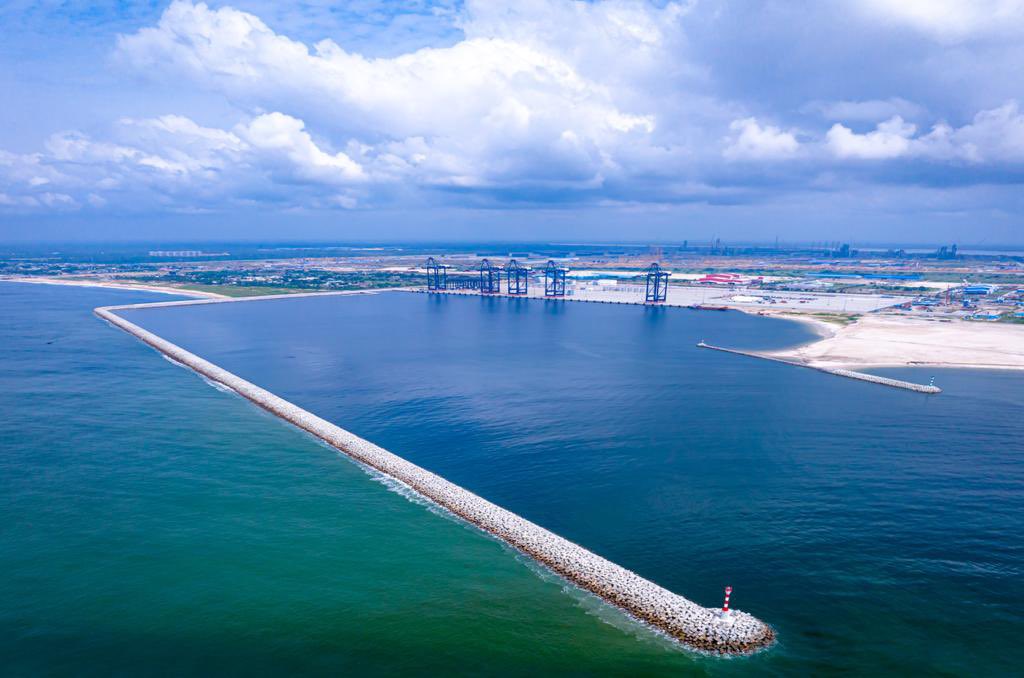
The launch ceremony was held on 13 November 2026 in Ikang, in the presence of Vice-President Kashim Shettima, who represented President Bola Ahmed Tinubu. The project, valued at $3.5 billion, must accommodate large vessels with a 20-metre draught.
It also provides for a 260-kilometre highway to transport goods to domestic markets. According to the authorities, this infrastructure must complement existing port facilities and diversify the entry and exit points of Nigerian foreign trade.
The project is based on a public-private partnership between Cross River State Government and Arise Integrated Industrial Platforms (Arise IIP).
According to information provided by the authorities, the distribution of capital provides for 80 % for the private partner and 20 % for the State. Afreximbank acts as principal arranger and financial advisor.
Cross River Governor Bassey Otu announced initial funding approval of $2.27 billion. However, this amount does not necessarily correspond to funds already disbursed. The public-private partnership framework was formalized in February 2025, after several years of institutional and financial approaches.
Designed in 2014, the project required several preparatory studies. An environmental and social impact assessment was prepared in March 2015. Cross River authorities also indicated that they had completed hydrographic, geotechnical and geophysical studies and obtained the necessary federal authorizations.
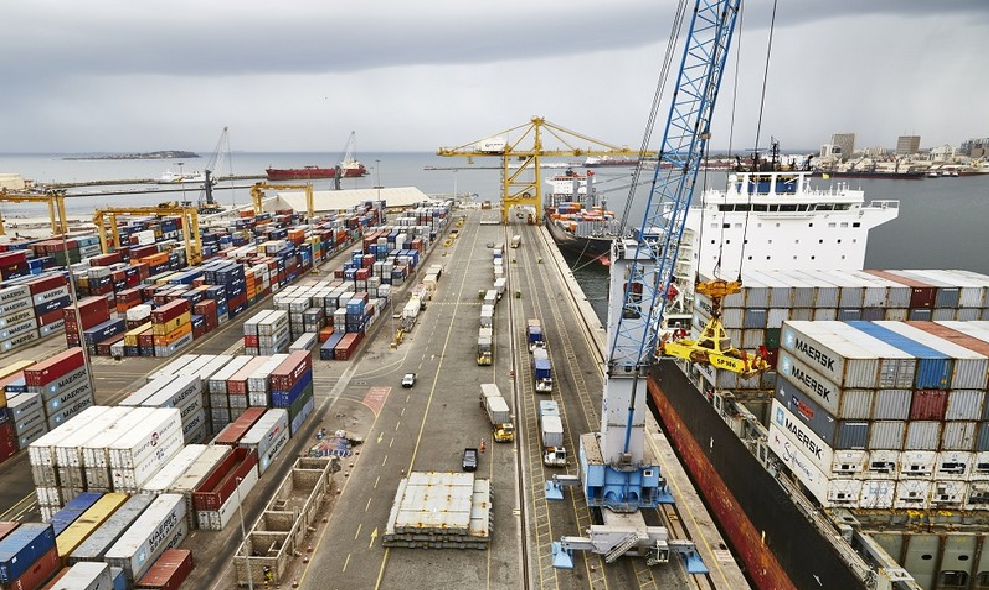
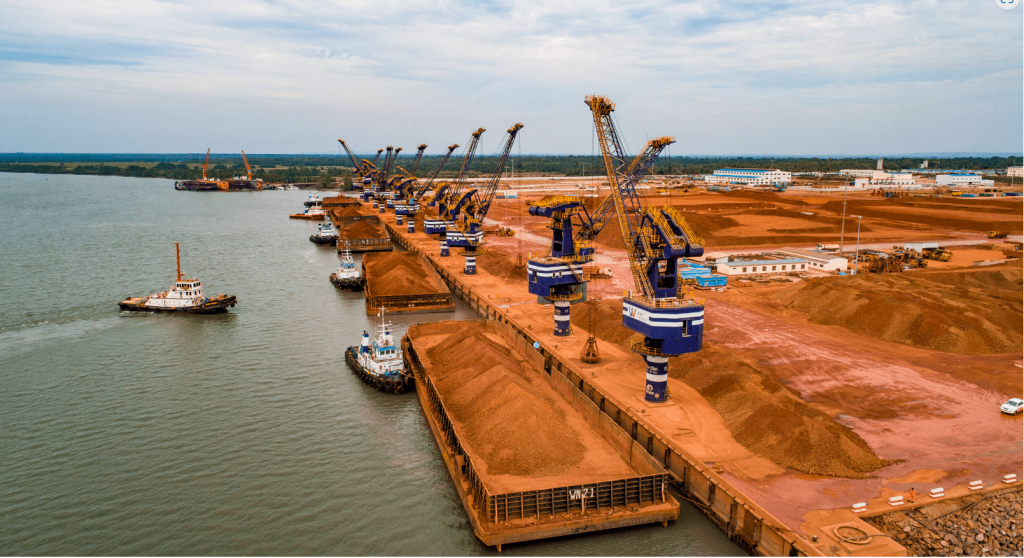
The project includes deep water port facilities, container terminals and cargo handling equipment. The associated motorway must facilitate the evacuation of cargo to economic centres in the interior of the country.
The official announcements refer to a 260-kilometre route, while other project information refers to a 275-kilometre link between Calabar, Ogoja and Gakem.
The Nigerian government presents this infrastructure as a complementary solution to the ports of Lagos, which account for more than 80% of the country's foreign trade.
According to an estimate from the Lagos Chamber of Commerce and Industry cited by the US International Trade Administration, logistical inefficiencies cost the Nigerian economy about $8 billion a year.
Cross River authorities also want to develop activities in fisheries, shipping, shipbuilding, tourism and industrial processing.