



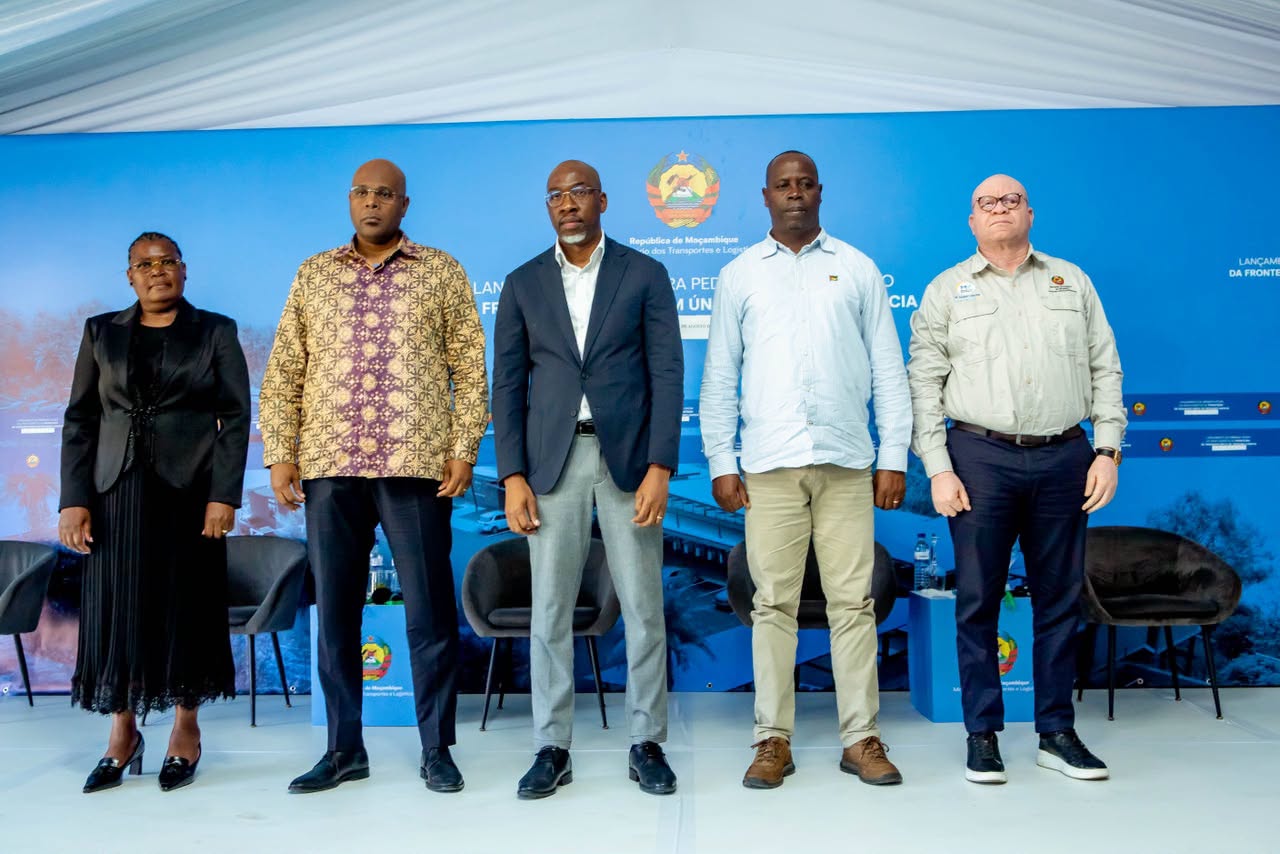
The Mozambican government has launched the construction of a one-stop border crossing in Ressano Garcia, the main land crossing point with South Africa. Estimated at 980 million meticiais (approximately The project also includes the modernization of freight infrastructure and the creation of expressways on the Maputo corridor.
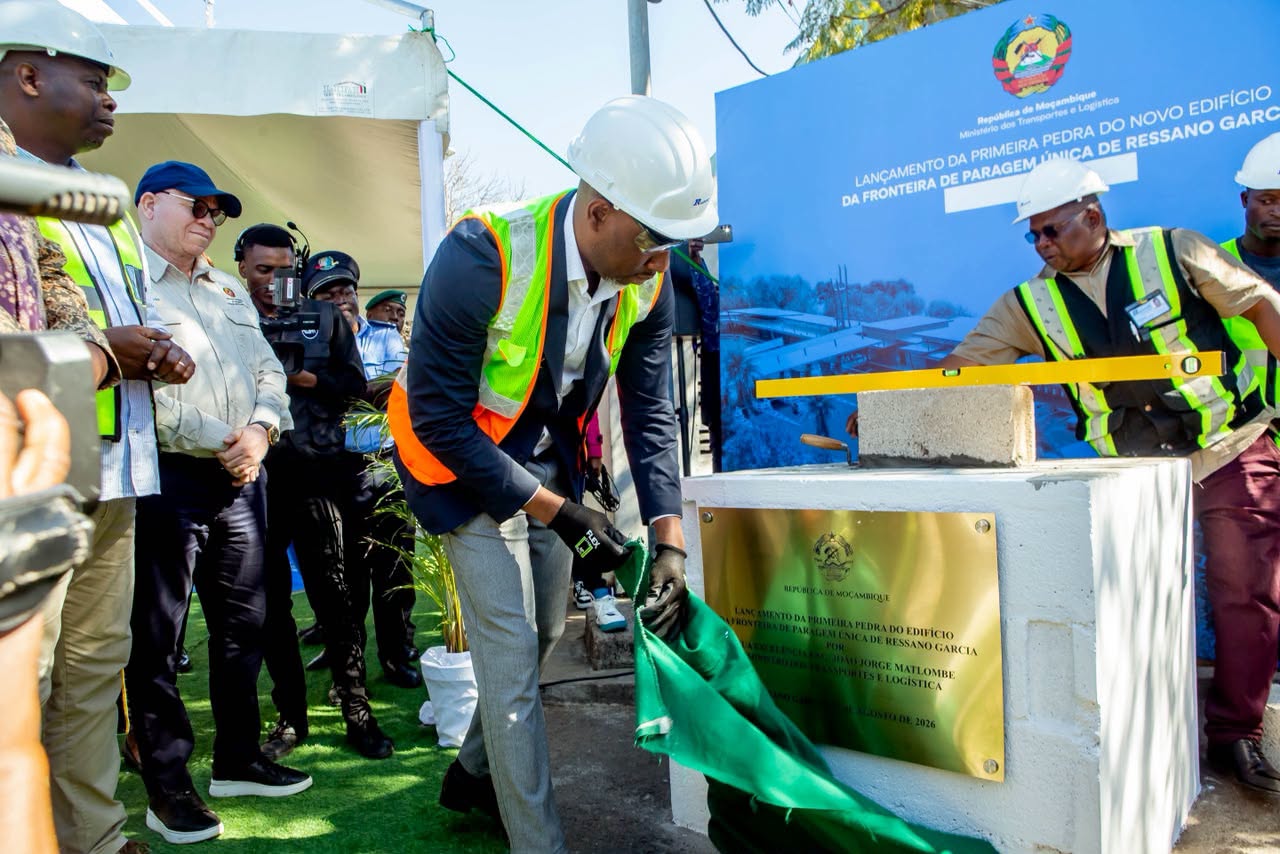
Mozambican Minister of Transport and Logistics João Jorge Matlombe laid the foundation stone of the project on 17 August 2026 in Maputo province. The operation concerns the construction and modernisation of the Ressano Garcia border crossing, the freight terminal and several expressways.
Located on the main land axis between Mozambique and South Africa, this infrastructure is intended to reorganize the movement of people and goods between the two countries.
The project envisages the establishment of a one-stop-shop system bringing together border formalities in the same infrastructure. This means that passengers and economic operators will no longer have to carry out control procedures on both sides of the border separately.
According to information provided by the Mozambican authorities, the relevant services in both countries will also have to exchange data in order to facilitate the processing of border operations and to reduce transit times.
The programme also includes the modernisation of the KM4 freight terminal, the expansion of access routes and the creation of corridors dedicated to certain types of traffic.
Express roads are provided for trucks carrying minerals to the port of Maputo, as well as light vehicles. A residential complex for State officials assigned to the border crossing is also part of the infrastructure announced under this project.
The Mozambican authorities are planning a reduction in the lines of trucks currently observed on the national EN4 road, with expected effects on delivery times, fuel consumption and operating costs.
According to Fernando Ouana, National Director of Logistics at the Ministry of Transport and Logistics, the transit time of trucks carrying minerals could increase from 45 minutes to one hour at present to about five minutes. For general goods, the transit time could be limited to 30 minutes, depending on the type of cargo.




