
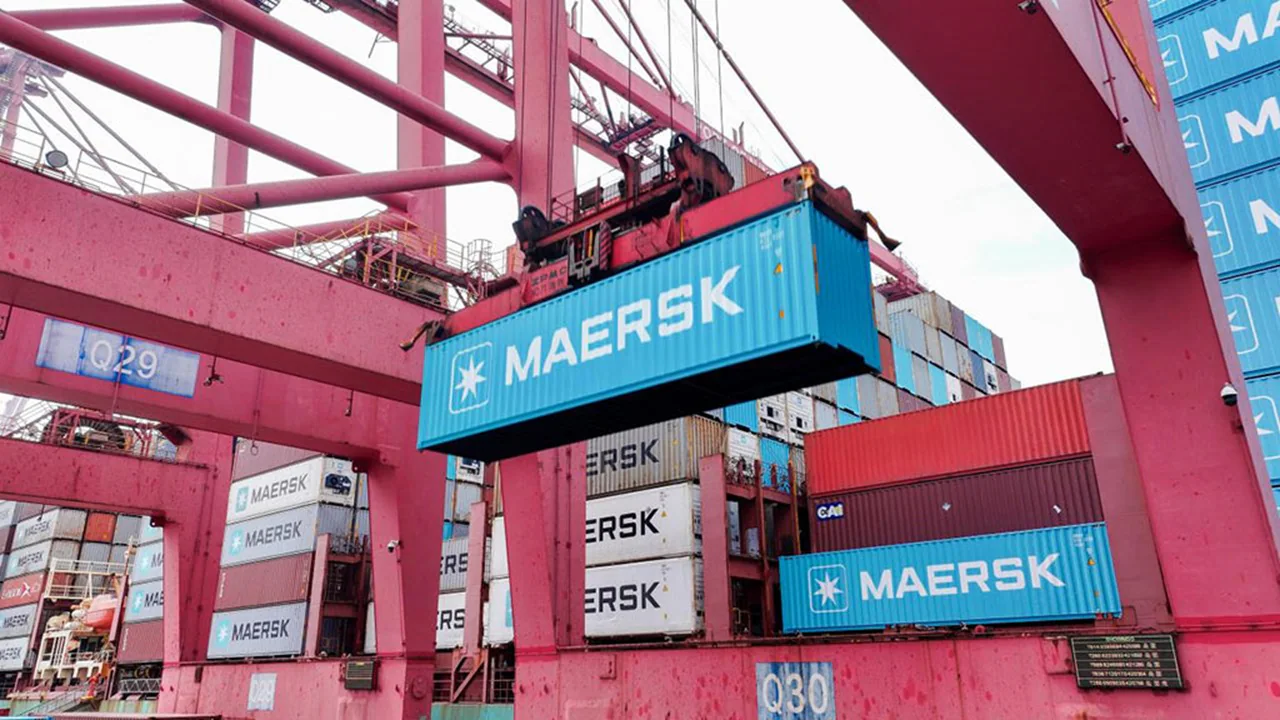
The Danish group Maersk reorganizes its logistics facility in Morocco, relying more on the port of Tangier Med and a regular rail link to Casablanca. The aim of this organisation is to transport goods to the country's main industrial and commercial hub in a context of increasing volumes and operational constraints at the port of Casablanca.
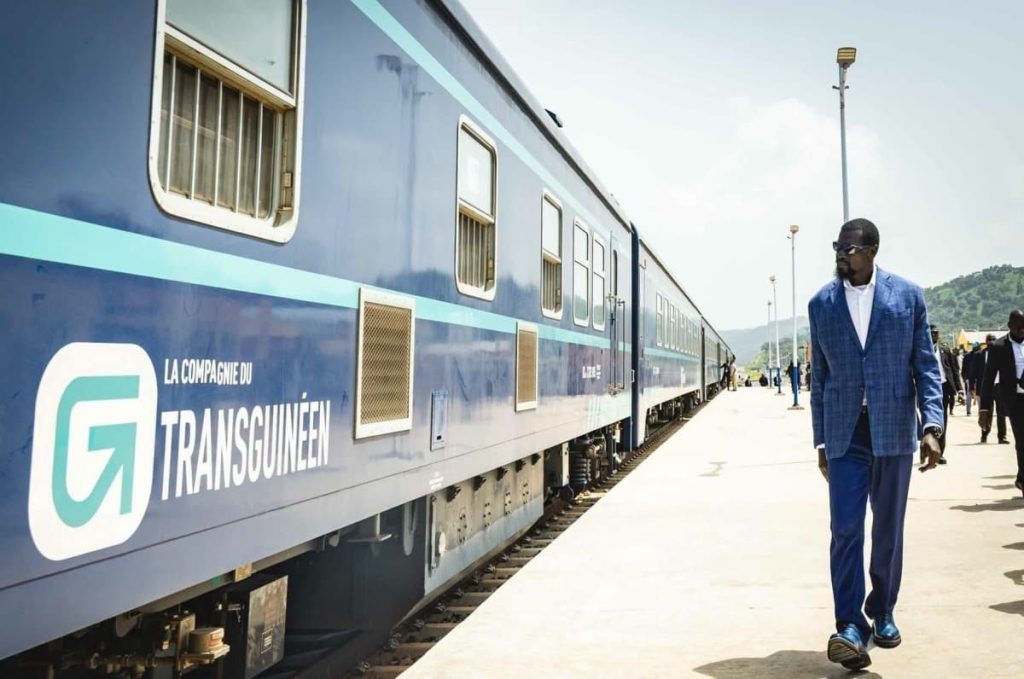
Maersk now positions the port complex of Tangier Med, in Morocco, as its main port of entry to serve the Moroccan market. Goods arriving by sea can be transferred by rail to Casablanca, where they join national distribution networks.
The rail link between the two cities is operational with regular departures and predictable transit times, according to information provided by the group and reported by the Moroccan press.
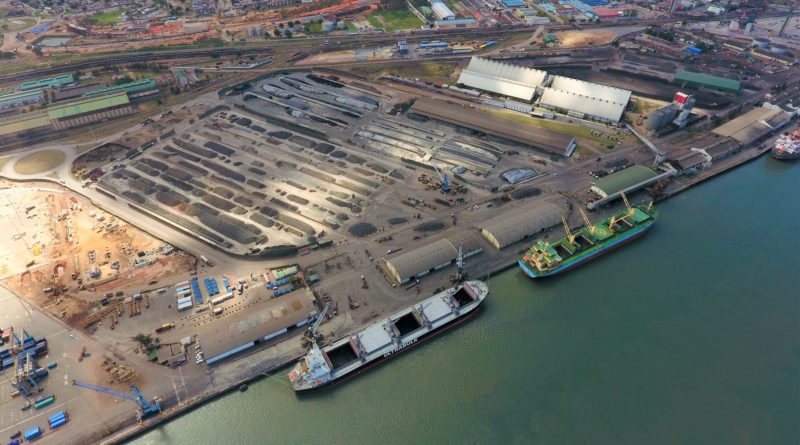
This organization intervenes while the port of Casablanca faces a significant increase in volumes. The platform processed 17 million tonnes of goods in the first half of 2026, of which 3.53 million tonnes in June, an increase of 32% over one year, according to data from the National Ports Agency (NPA).
The port of Casablanca represents about 35% of Moroccan national port traffic. Maersk offers a service combining maritime transport to Tangier Med, rail transport to Casablanca, customs clearance, storage and final delivery by truck.
The scheme is also part of trade between Morocco and Europe. Tangier Med is directly connected to the main international maritime routes, while Casablanca is an important industrial and commercial hub of Morocco.
By combining maritime, rail and road modes, Maersk plans an organisation to distribute flows between the two platforms and limit their dependence on a single mode of transport. The group also offers a follow-up of the various stages of transport through an integrated logistics offer.