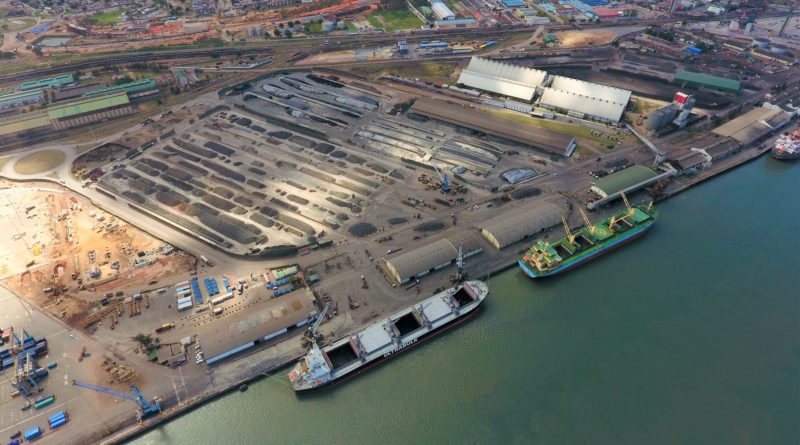

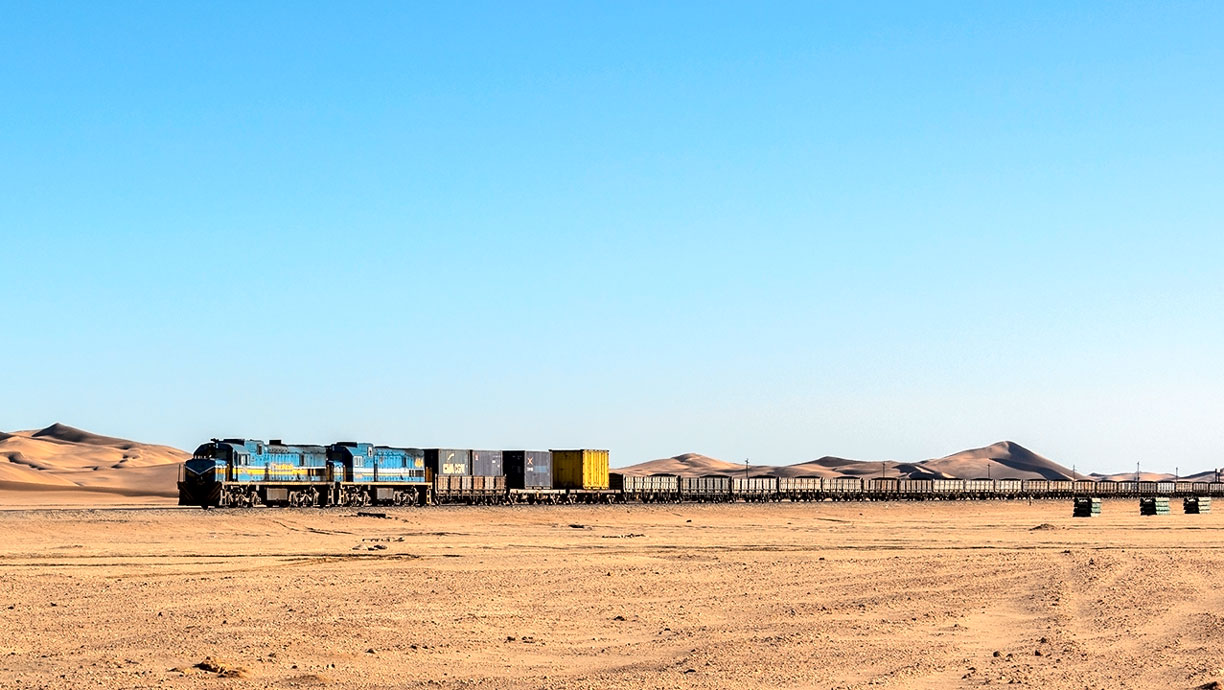
Botswana and Namibia are continuing negotiations on the Trans-Kalahari Railway Project, which aims to link the landlocked country to the port of Walvis Bay. In particular, both States must make progress on the technical parameters, financing and regulatory framework for this future rail link.
The Governments of Botswana and Namibia are continuing their discussions to advance the Trans-Kalahari Railway (TKR) project. The future line must start from the north of the port of Walvis Bay, Namibia, and extend to Botswana.
It would provide the landlocked country with direct rail access to the Atlantic Ocean and would be an alternative to the road transport currently used on the Trans-Kalahari corridor.
A new joint technical and ministerial meeting is to be held shortly in Kasane, Botswana. The discussions will include the finalization of the technical parameters of the project, the funding models and the regulatory provisions necessary for its implementation.
In this way, the two governments are continuing to prepare an infrastructure which will still require precise construction and operation.
The TKR is designed to complement the existing road corridor and strengthen the rail service to the hinterland from Walvis Bay. For Botswana, this connection should help reduce transport costs and facilitate the movement of goods to international markets.
For Namibia, the project must also strengthen Walvis Bay's role in trade with landlocked countries in Southern Africa and support the development of logistics activities around the port.
The development of the corridor is also accompanied by initiatives to strengthen Botswana's logistical capacity. The public company Sea Rail plans to develop a dry port in Walvis Bay, in partnership with various actors, and to strengthen its cooperation with the Namibian port authority Namport.
The company is also planning to improve container flows between inland platforms and the port, while supporting projects related to the Trans-Kalahari corridor, including customs facilitation between Gobabis and Mmamuno.
These initiatives are part of a broader strategy to integrate internal port, rail, road and logistics services around the Walvis Bay corridor.