



A new private airline is planned in Guinea. It is expected to begin operations by the end of the first half of 2027, with a fleet of about 10 aircraft. The carrier intends first to develop domestic connections before gradually extending its network to the West African subregion.
The project was announced on 25 July 2026 by the Guinean Minister of Transport, Ousmane Gaoual Diallo. According to his statements, an agreement to establish the company was signed with Guinean civil aviation.
However, the identity of the private operator involved in the project has not yet been communicated. United Aviation Services should give priority to serving the different regions of the country, before considering links to the markets in the subregion.
The development of this new company comes as Guinea seeks to strengthen its domestic air connectivity. The country relies in particular on the modernisation of its regional airport infrastructure.
Work at Kankan and Labé airports has a progress level of about 65%, while the Beyla project is almost 80%, according to data provided by the Minister of Transport. Feasibility studies for future Faranah and N-Zérékore airports have also been completed.
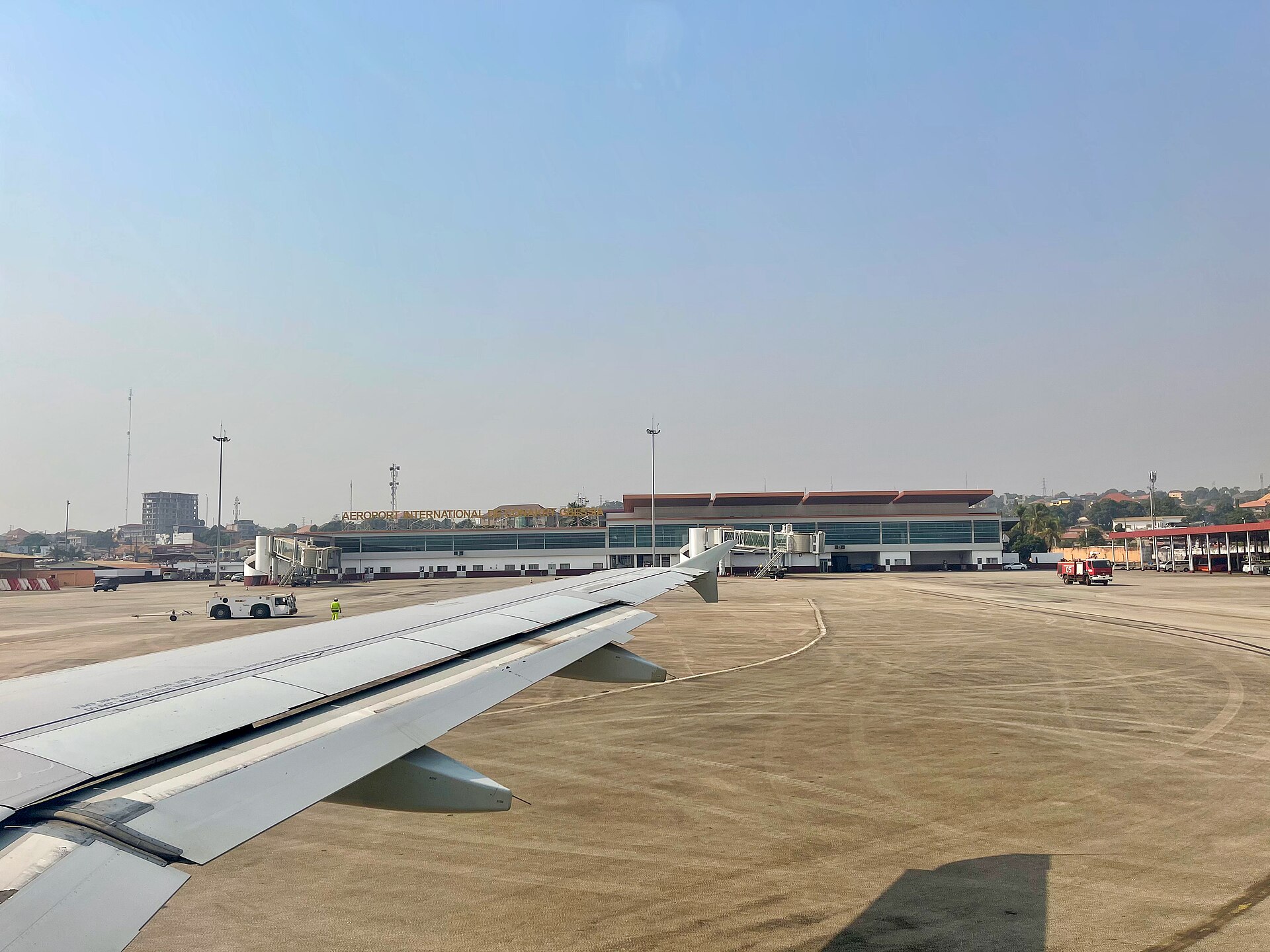
In Conakry, the modernization and extension of Ahmed-Sékou-Touré International Airport is also continuing. The government is planning a capacity of 4 million passengers over the term.
The authorities also announced the forthcoming opening of a commercial link between Conakry and Cairo, while several international companies recently increased their frequencies to the Guinean capital.
The United Aviation Services project is thus part of a broader air transport development strategy in Guinea, in a context where the country seeks to improve the connections between Conakry and its main regional hubs.
The expected arrival of new mobility needs related to the development of the Simandou mining project could also support the demand for air transport.
The viability of the future carrier will, however, depend on the project being implemented, its economic model and its ability to impose on a regional market already served by several established companies.




