



Guinea has secured international syndicated funding of $300 million to build a 160-kilometre road route from Labé to the Bafing Valley, with a ramp to Koubia. The project should improve the service to the Middle Guinea region and facilitate trade between several regions of the country.
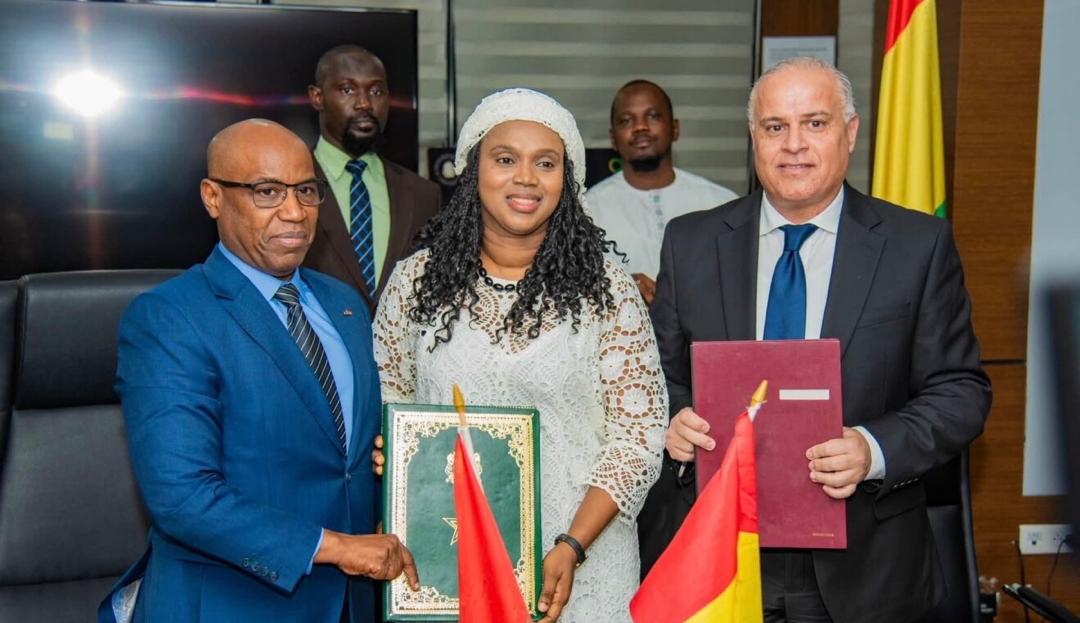
The Guinean government has signed a financing agreement for the construction of the Labé-Banti-Tougué-Fleuve Bafing road and the Banti-Koubia ramp. Long about 160 kilometres, the infrastructure also includes a bridge over the Bafing River.
The work will be carried out by the Sahelian Company of Enterprise (CSE) over an announced period of 36 months. The project will contribute to the opening up of several localities in Middle Guinea and improve the movement of people and goods.
The $300 million funding was structured as an international syndicated loan led by BANK OF AFRICA United Kingdom PLC, which acts as global coordinator and mandated arranger.
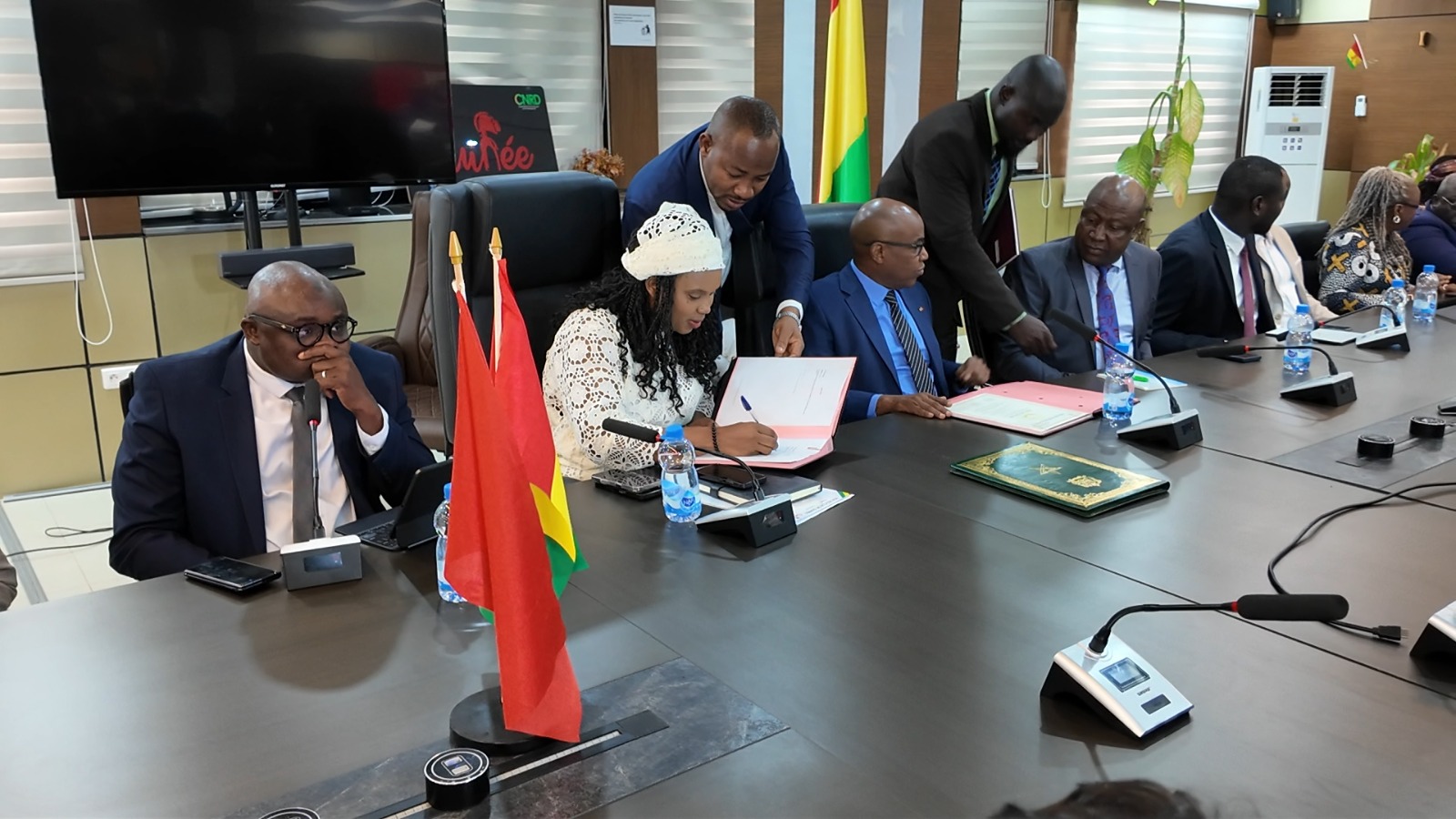
The operation comprises a Mourabaha-type Islamic financing tranche and is partially covered by CICIEC, the Islamic Investment and Export Credit Insurance Corporation.
According to BANK OF AFRICA, this operation constitutes a first for Guinea in the international market for syndicated loans and in the use of structured financing incorporating an Islamic finance component.
For the Guinean authorities, the new link must improve the connection between several territories and bring production areas closer to markets. In particular, the corridor should facilitate the development of agricultural, pastoral and mining activities in the regions concerned, while reducing the logistical costs associated with the transport of goods.
The Minister of Infrastructure and Public Works, Facinet Sylla, also presented the project as a link to strengthen connections between the Middle and Upper Guinea under the Simandou 2040 Programme.
The implementation of this axis is thus part of a broader strategy for the development of the Guinean transport network. It aims to open up prefectures and areas which still have limited road services and to increase their access to the country's main economic centres.




