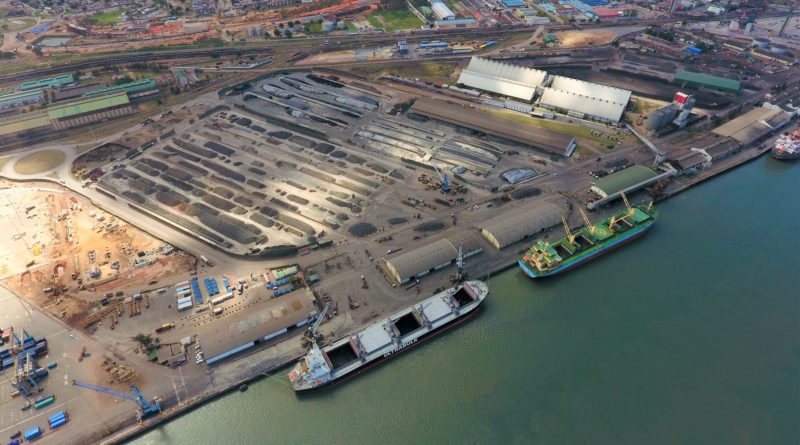

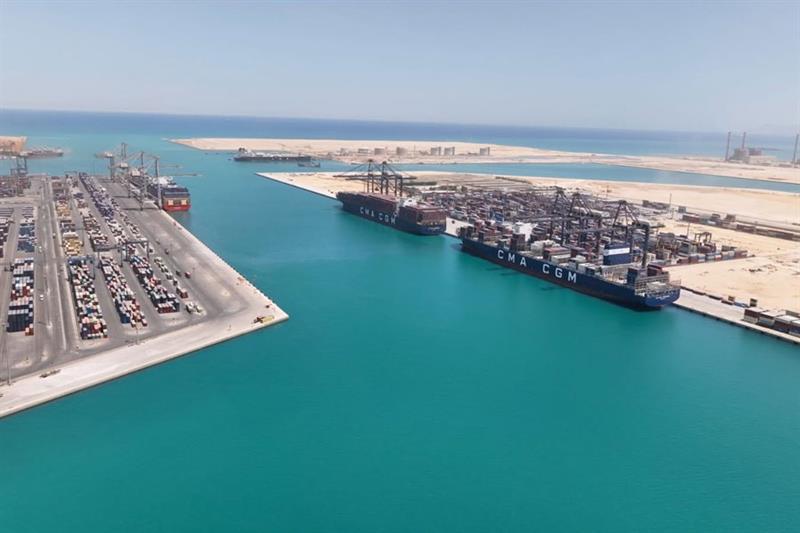
Cairo and N的Djamena are accelerating discussions around a 4,300-kilometre land corridor linking the Egyptian port of Berenice to the Chadian capital. The project, which could be extended to the Cameroon port of Douala, aims to reduce transport times, improve regional connectivity and support trade within the framework of the FTACAf.
Presented as the eighth logistics corridor developed by Egypt, the project has been at the heart of the fourth Egyptian-Chadian Joint Commission held in N The route will link the port of Berenice, on the Red Sea, to Aswan, Toshka, East-Oweinat and Koufra before reaching N-Djamena.
The authorities of the two countries are also considering the establishment of logistics zones in N-Djamena and Am-Djarass to ensure the storage, consolidation and redistribution of goods.
According to Egyptian Minister of Transport Kamel Al-Wazir, this new link could reduce transit time between Egypt and Chad from about three months to one week.
The corridor could then be extended to the port of Douala, Cameroon, providing Chad, a landlocked country, with additional access to port infrastructure in the Gulf of Guinea. Rail connections with Cameroon are also being studied in order to develop a multimodal network between the Red Sea and Central Africa.
On Egyptian territory, several sections of the route have already been completed, including the Aswan-Bérénice, Aswan-Toshka and Toshka-East-Oweinat routes, while work continues on the East-Oweinat-Koufra section.
This project is part of the Egyptian strategy to develop integrated corridors combining roads, railways, dry ports and logistics platforms.
The authorities also wish to increase the flow of trade through customs facilitation measures, including a guarantee agreement signed in July between the Egyptian Chambers of Commerce and the Customs Administration, which could reduce the cost of road transport on the corridors concerned by 25 to 40 per cent.
Cairo thus presents these infrastructures as complementary routes to maritime routes, in a context marked by disturbances in the Red Sea.
Beyond the bilateral relations between Egypt and Chad, the corridor is conceived as a regional integration axis linking North-East Africa and Central Africa.
Its proposed extension to Douala would allow the Red Sea to be connected to the Gulf of Guinea, while strengthening trade with landlocked countries and supporting the deployment of the African Continental Free Trade Area (AFTAAf).
However, the implementation of the project will depend on continued investment in infrastructure, coordination between the States concerned and harmonisation of cross-border procedures.