
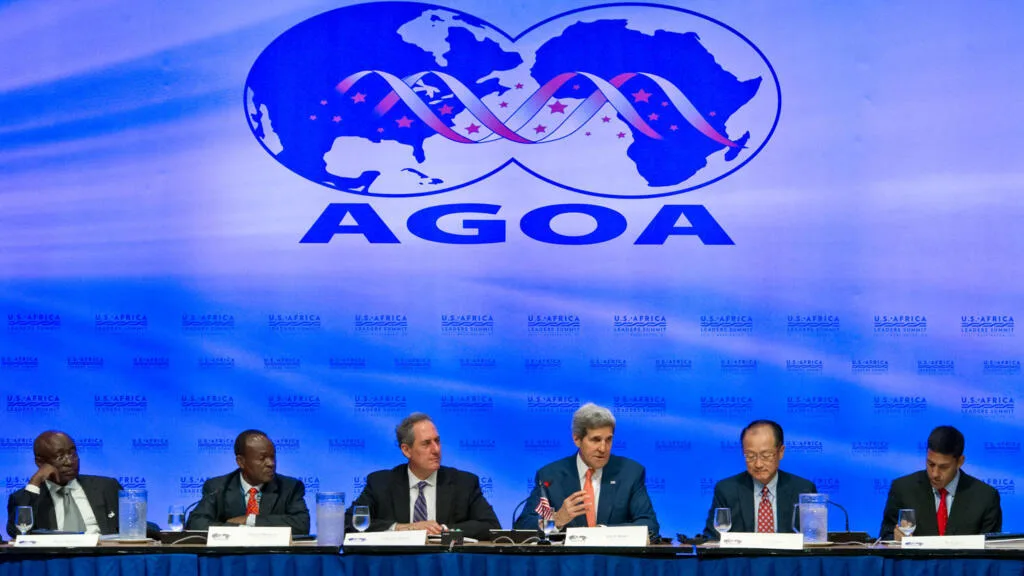
On September 1, the US Congress approved a two-year extension of the African Growth and Opportunity Act (AGOA). The scheme, which grants preferential access to the US market for certain African products, must now be signed by President Donald Trump.
The U.S. House of Representatives adopted, by 370 votes to 48, the budget bill including the extension of the AGOA until 31 December 2028. The Senate had already approved the text in August.
The measure thus extends the original deadline of 31 December 2026 and must still receive the signature of President Donald Trump to enter into force. It also extends certain provisions on textiles and clothing, in particular those relating to the use of raw materials from third countries.
Created in 2000, AGOA allows countries in sub-Saharan Africa that qualify to export more than 1,800 products to the United States without customs duties. However, the programme had expired on 30 September 2025, before being retroactively reinstated in February 2026 until the end of that year.
The interruption had exposed African exporters to a return of tariffs and increased uncertainty for firms dependent on preferential access to the US market, particularly in the textile and clothing sectors.
The new extension brings additional visibility to African and American companies, without settling discussions on the future of the scheme beyond 2028. Several economic actors are calling for a longer period to secure investment and supply chains.
The debate is also taking place in a context of increased competition between Washington and Beijing in Africa, particularly around critical minerals and diversification of supplies.
The Chair of the House's Ways and Means Commission, Jason Smith, notably presented AGOA as an instrument of American trade and strategic policy on the continent.