



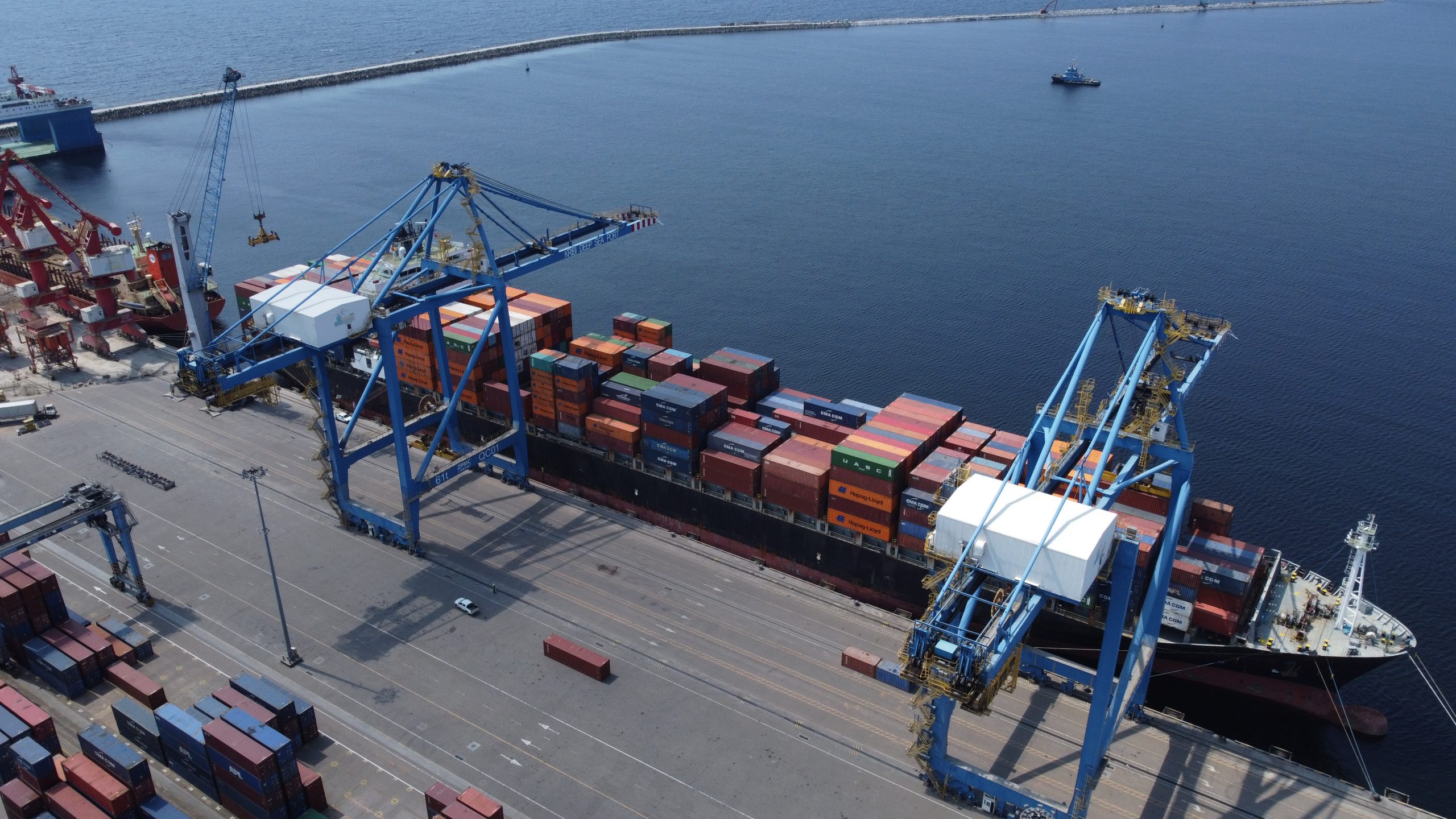
Cameroon has initiated the 11th phase of the Economic Partnership Agreement (EPA) with the European Union. Since 4 August 2026, European Group 3 products have benefited from 70% tariff dismantling, while Group 1 and Group 2 products are now fully exempt from import duties.
In a communiqué signed on 4 August 2026, Finance Minister Louis Paul Motazé announced the entry into force of the 11th phase of the Economic Partnership Agreement (EPA) between Cameroon and the European Union.
This new step brings the rate of reduction of customs duties on European Group 3 goods to 70%, compared with 60% in the previous phase. The products in Groups 1 and 2 now benefit from a 100 % tariff dismantling in accordance with the timetable for implementing the Agreement.
Group 3 brings together products for which Cameroon has chosen to maintain longer tariff protection, including fuels, cement, passenger vehicles, passenger vehicles, motorcycles and certain equipment and finished products.
Groups 1 and 2 mainly concern medicines, medical equipment, agricultural inputs, industrial machinery, computers, clinker, plaster, generators or certain vehicles intended for the transport of goods. The dismantling of customs duties on Group 3 products continues at a rate of 10% per year and is expected to reach 100% by 2029.
According to the Cameroonian authorities, the agreement also allows eligible Cameroonian products to enter the European market free of customs duties and without quotas, subject to compliance with the rules of origin and sanitary, phytosanitary, technical and traceability requirements laid down in the EPA.
The exports concerned include in particular bananas, aluminium, processed cocoa products, plywood and several fresh and processed agricultural products.
The gradual implementation of the EPA, however, continues to fuel the debate on its budgetary impact. According to data published by the Cameroonian authorities, the cumulative tax losses associated with tariff dismantling were estimated at CFAF 95.7 billion at the end of May 2025, while EcoMatin estimated them at CFAF 103.6 billion since the entry into force of the agreement in 2016.
Supporters of the agreement highlight the reduction in the cost of imported equipment and inputs as well as the market opportunities in the European market, while its critics stress the loss of customs revenues and the increased competition for some local producers.




