
The Tanzanian government is negotiating $280 million in financing from the Turkish State Export Bank (Türk Eximbank). This amount is to cover the remaining shortfall to complete the third and fourth standard gauge railway (SGR) lots, estimated at $1.6 billion.
Discussions between the Tanzanian authorities and Türk Eximbank were held in Antalya, Turkey, on the sidelines of the 31st United Nations Climate Change Conference (COP31). The Tanzanian delegation was led by the Minister of Finance, Khamis Musa Omar, while the bank was represented by its Managing Director, Ali Güney.
According to the authorities, the project requires $1.6 billion for both sections. Of this amount, $1.32 billion has already been mobilized, leaving a need for $280 million in funding.
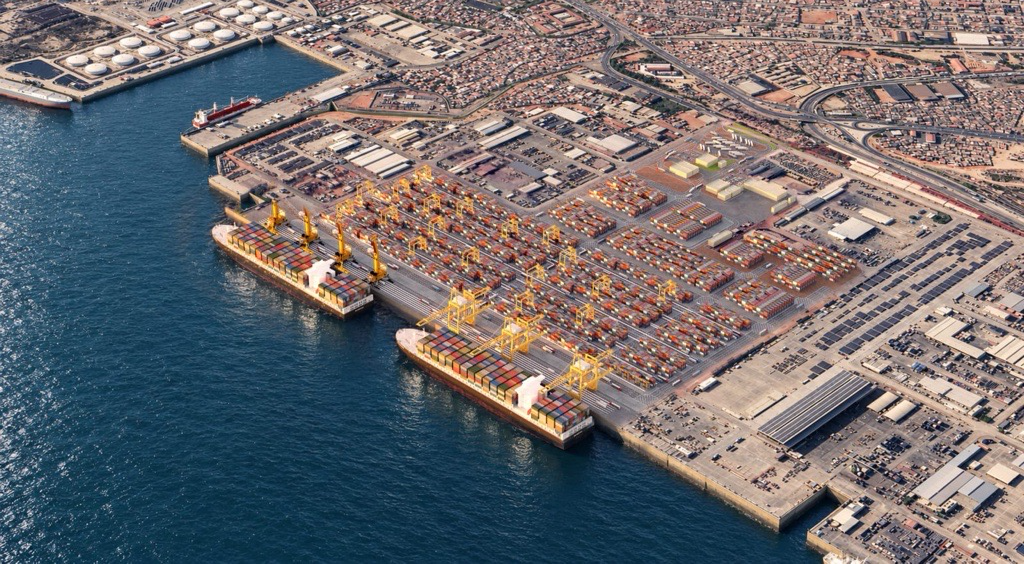
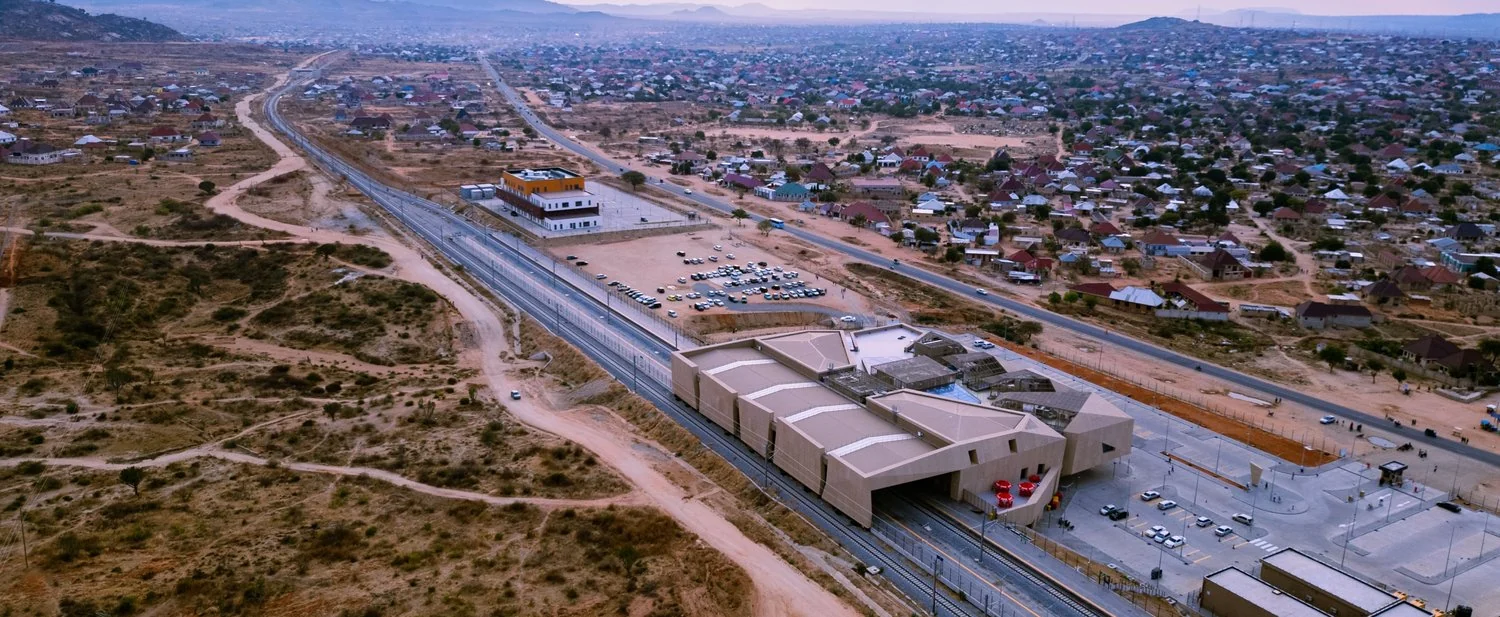
Both lots are part of the SGR rail network construction programme, designed to link the port of Dar es Salaam with the main economic centres in the western part of the country, including Mwanza and Kigoma. The network is also intended to facilitate exchanges with neighbouring countries, including Rwanda, Uganda, Burundi and the Democratic Republic of the Congo (DRC).
The first two sections, between Dar es Salaam and Dodoma, are already in operation. The third and fourth lots must extend the network westward. However, the available sources diverge on the exact linear of these two sections: some evoke more than 700 kilometres, while others describe a 533-kilometre route between Makutupora, Tabora and Isaka.
The Managing Director of Türk Eximbank indicated that the Bank's Board of Directors was to consider the request for financing in November. The establishment is also exploring other possibilities for cooperation with Tanzania, including in road infrastructure and bridges.
This is part of the economic rapprochement between the two countries, whose leaders set a target of $1 billion in bilateral trade.
Beyond passenger transport, the RMS must improve the transport of goods between the port of Dar es Salaam and the landlocked markets of East and Central Africa. The Tanzanian authorities expect the network to reduce transport costs and delays, particularly for agricultural products, minerals and manufactured goods.
However, these benefits will depend on the completion of infrastructure, the availability of rolling stock and the quality of connections with neighbouring countries' transport networks. Turkish financing remains subject to the Bank's review and approval at this stage.